

G7 finance ministers call for reopening the Strait of Hormuz and expand global economic coordination
Ministers stress coordinated support for Middle East spillovers, continued backing for Ukraine, frozen Russian assets until war ends, and stronger cooperation on energy, supply chains, and counterterrorism financing



 Messenger
 Whatsapp
 Threads
 Email
Email
 Print
Print
 X
X
 Facebook
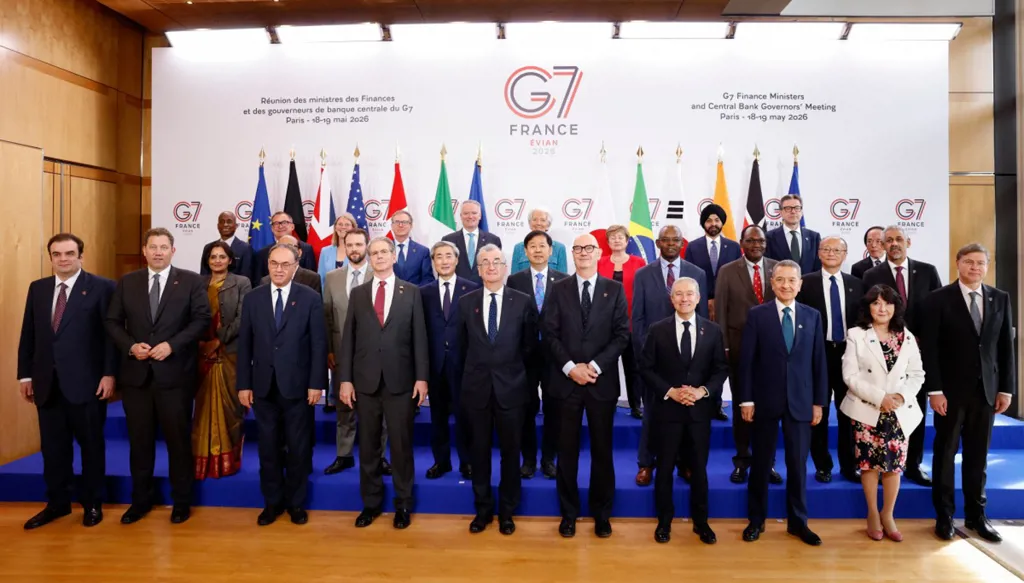


The finance ministers of the Group of Seven countries confirmed today, Tuesday, the urgent need to reopen the Strait of Hormuz and stressed the importance of addressing the ongoing global imbalances. They pledged to provide coordinated support to deal with the repercussions of the conflict in the Middle East and to maintain stability in energy markets.
In a statement, they emphasized the group’s commitment to preserving the stability of global energy markets and called on all countries to avoid imposing arbitrary restrictions on exports.
Regarding the Ukrainian file, the G7 finance ministers renewed their firm support for Ukraine and confirmed that they will continue working on developing a broad range of financing options to support Kyiv.
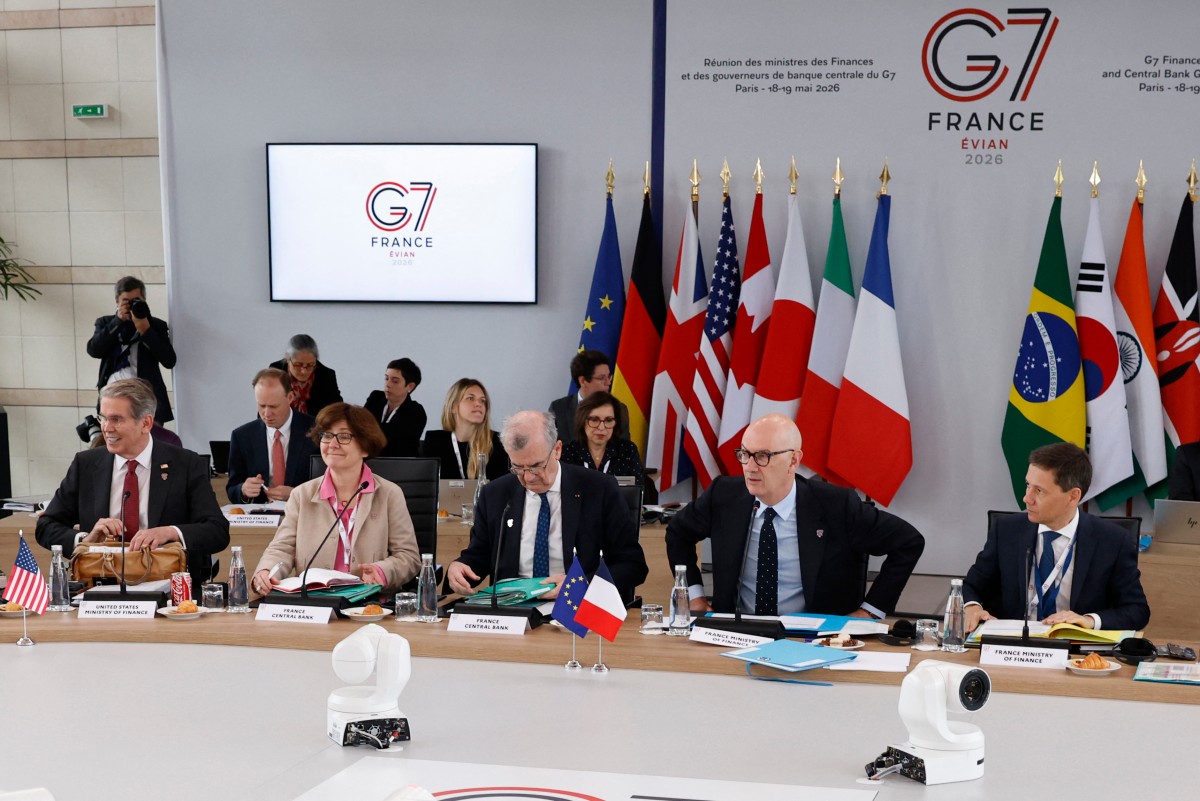
They pointed out that Russian sovereign assets located within the jurisdictions of G7 countries will remain frozen until Russia ends the war and pays compensation.
In another aspect, the group countries stressed their determination to deepen and expand cooperation in critical minerals supply chains. They also reaffirmed their commitment to multilateral cooperation to confront the risks threatening the global economy.
On the second day of the summit, discussions expanded in the morning to include other countries invited by the G7, namely Brazil, India, South Korea, and Kenya. In the afternoon, three Gulf countries joined the discussions: the UAE, Qatar, and Saudi Arabia, according to AFP.
Following the G7 summit, a conference titled “No Money for Terror” will be held, dedicated to combating terrorist financing. It will bring together delegations from 75 countries and will conclude with a speech by French President Emmanuel Macron.