

Lebanon’s amnesty law moves forward amid deep political divisions and heated debate
Parliamentary committees approve amended draft amid disputes over scope, sentencing terms, and exclusion of certain crimes, as officials and political leaders clash over justice, security, and national reconciliation.



 Messenger
 Whatsapp
 Threads
 Email
Email
 Print
Print
 X
X
 Facebook
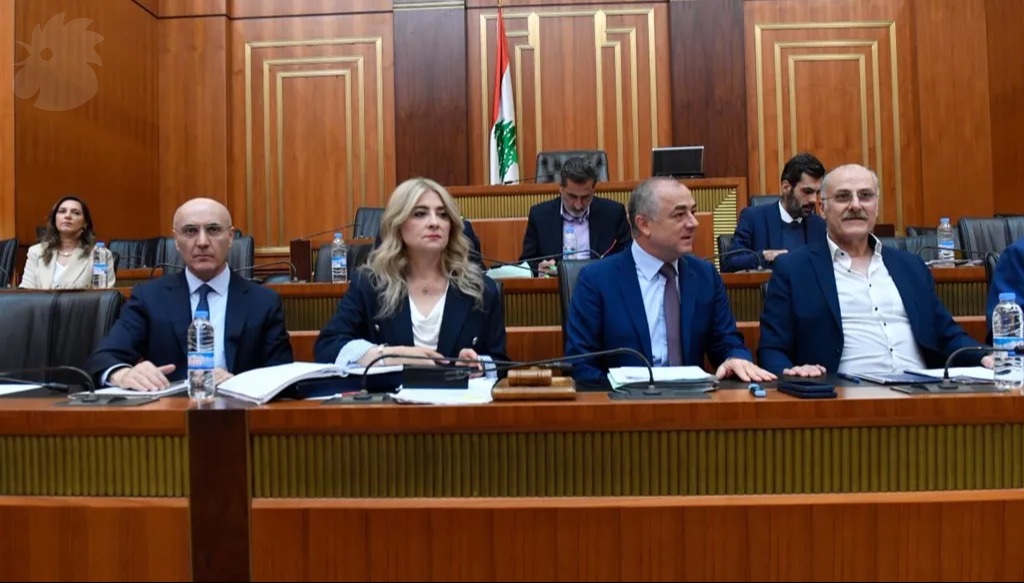


After dominating the political and parliamentary debate and reflecting the scale of the political, judicial, and popular divisions over it regarding the nature of the crimes included and the categories benefiting from it, the joint parliamentary committees approved the draft general amnesty law after introducing amendments to it.
It was reported that the most notable amendments included:
Converting the death penalty to 28 years’ imprisonment
Reducing life sentences to 18 years’ imprisonment
Setting the sentence for detainees without rulings at 14 years’ imprisonment
Reducing penalties by one third
Applying the provisions of Law No. 194 issued in 2011 concerning the displaced, and considering its provisions enforceable
Granting amnesty for unorganized drug use and trafficking, excluding organized trafficking and trade
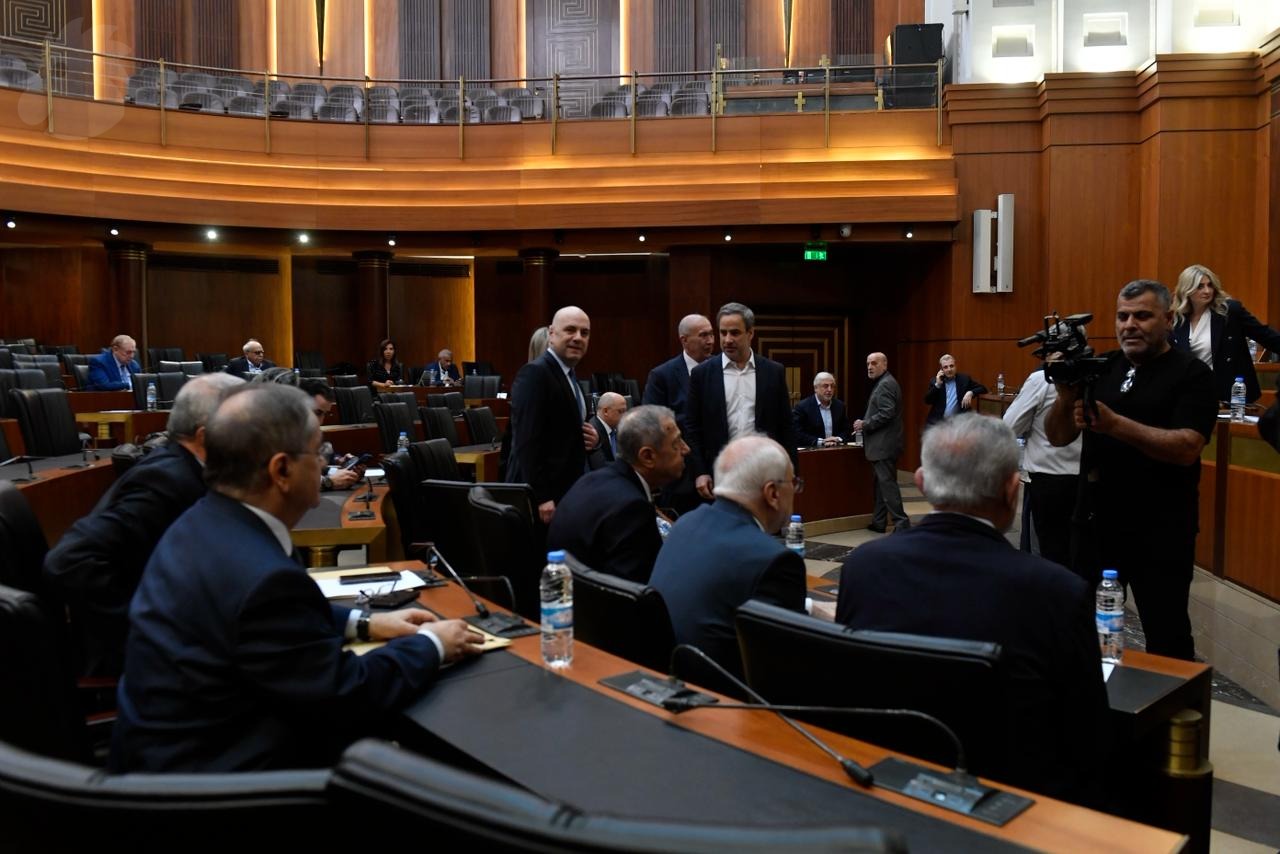
After the session, MP Michel Moawad stated that in previous meetings, a clash had occurred between MPs and representatives of the Ministry of Defense and the Lebanese Army, noting that the disagreement could have escalated into a confrontation between the army and a group of citizens. He added that, for this reason, he insisted on the amnesty law being approved by consensus.
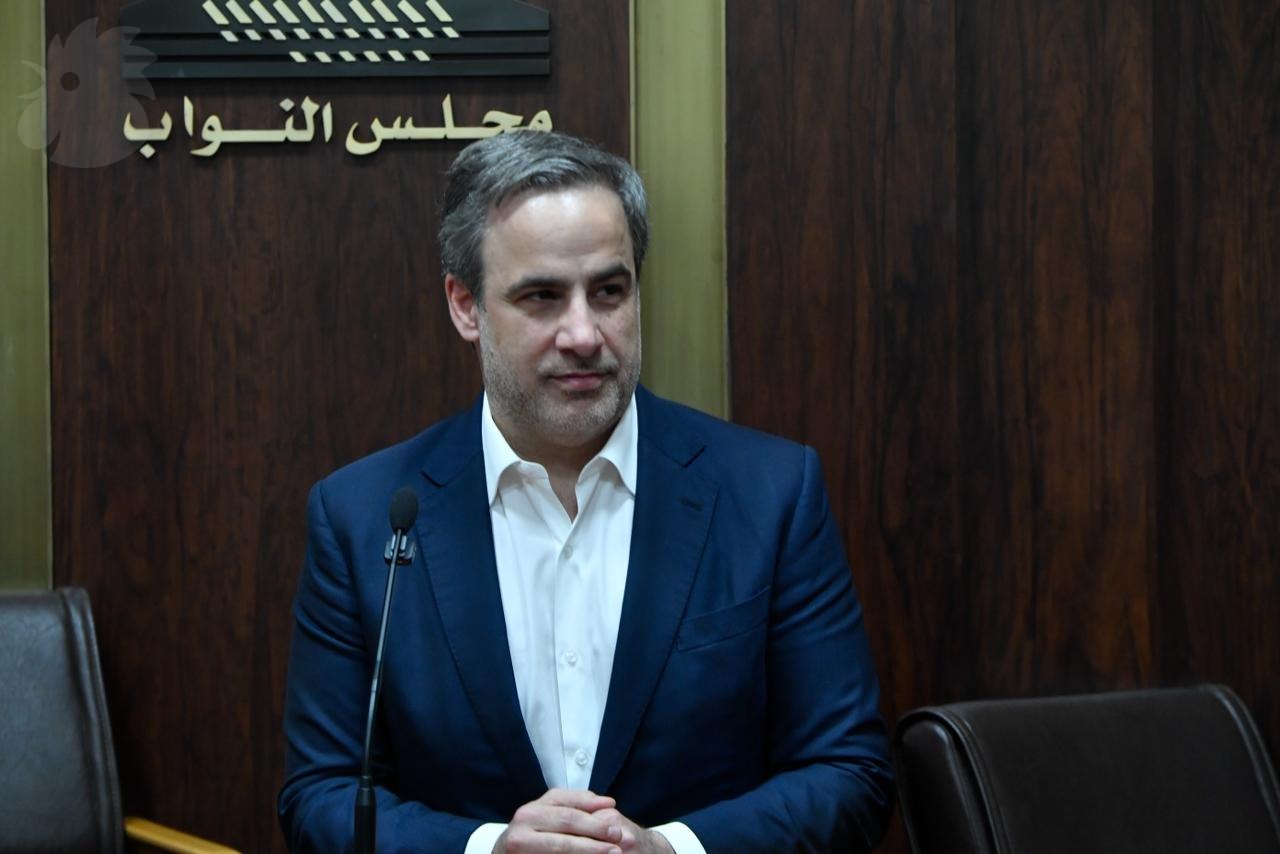
He added: “We, along with a group of MPs, met with President Aoun to request one thing only, which is that we reject polemics and hope he would sponsor a dialogue between the opposition blocs and the Minister of Defense to set a limit for the debate.”
For his part, MP Elias Bou Saab confirmed that the joint parliamentary committees took into consideration the remarks of the Ministries of Defense and Interior and the leadership of the Lebanese Army during the discussion of the draft general amnesty law, calling on the government and the Minister of Justice to find a radical solution to the issue of trials and to stop the detention of people “without reason.”
Bou Saab explained that the death penalty was adopted within the law as 28 years of imprisonment, equivalent to about 21 and a half years of actual time served, stressing that the law preserved the right of the families of the army martyrs not to forfeit their personal right before the civil judiciary, given that the army “was not a party to the conflicts.”
He noted that the issue of “idgham” (merging sentences) was a point of contention during the discussions, pointing out that those who criticized his decision to adjourn the previous session later thanked him today, after matters were put back on track by granting the judge the right to increase the sentence by a quarter instead of half, if the offender is accused of two or more crimes.
Fadlallah: We will fight any Israeli agent just as we fight the Israeli
Member of the “Loyalty to the Resistance” bloc, MP Hassan Fadlallah, stressed that “there are agents among the deportees who are fighting alongside the Israeli army, and we will not accept their return or any amnesty for them,” emphasizing that “we will fight any agent of Israel just as we fight the Israeli.”
He noted that Hezbollah tasked him with consultations with Baabda, adding that there is “no break with the President of the Republic and no objection to communicating with President Joseph Aoun,” and called on the state to withdraw from humiliating direct negotiations and to avoid unilateral decision making away from national consensus.
Yesterday, a meeting was held in Bou Saab’s office, attended by representatives of several parliamentary blocs, dedicated to discussing the draft general amnesty law, during two sessions held in the morning and evening.
Bou Saab said that the humanitarian situation in prisons has become increasingly pressing, alongside the presence of people who are unjustly imprisoned, after it was found that some of the sentences issued against them are shorter than the time they have already spent in prison, stressing that the aim is to reach a law that “does justice to everyone.”
In parallel, Speaker Nabih Berri called for a plenary session to be held on Thursday to discuss the bills and proposals listed on the agenda.