

Lebanon negotiations signal possible ceasefire amid complex regional calculations
Diplomatic efforts intensify between Beirut, Washington, and regional actors as Lebanon pushes for a time-bound truce, while Israel’s conditions and broader geopolitical tensions continue to shape the prospects for a lasting halt to hostilities in the south.




 Messenger
 Whatsapp
 Threads
 Email
Email
 Print
Print
 X
X
 Facebook
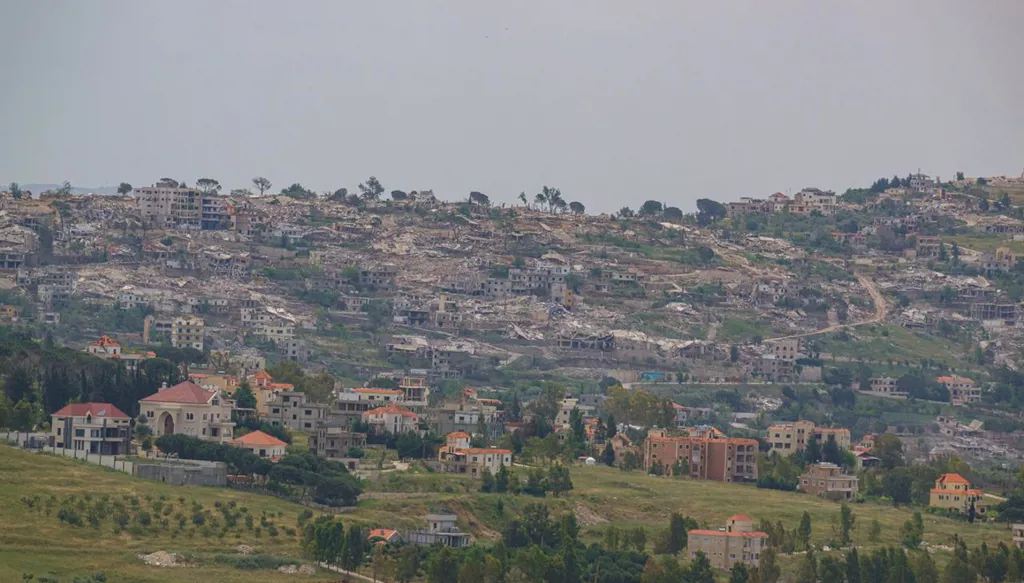
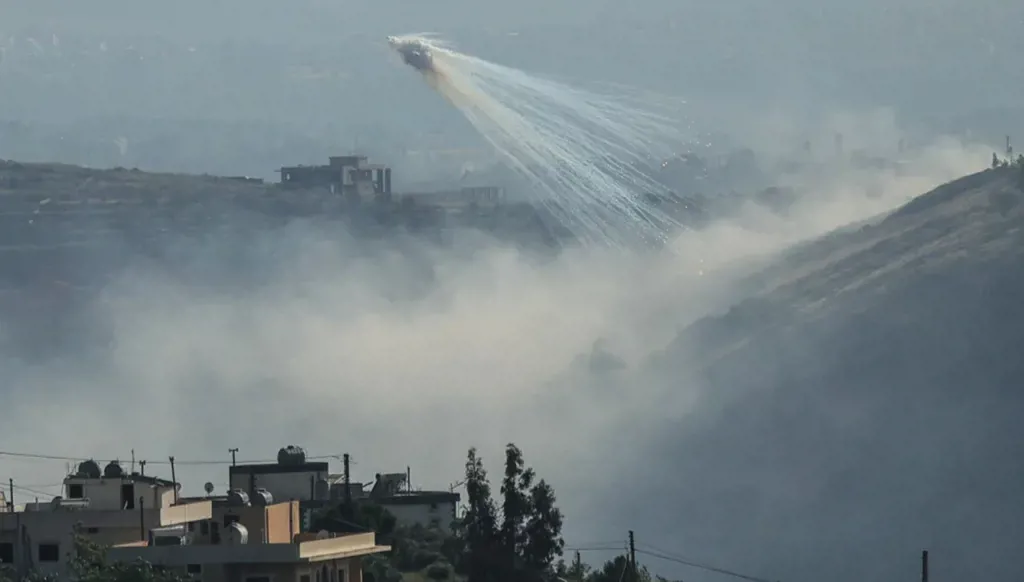
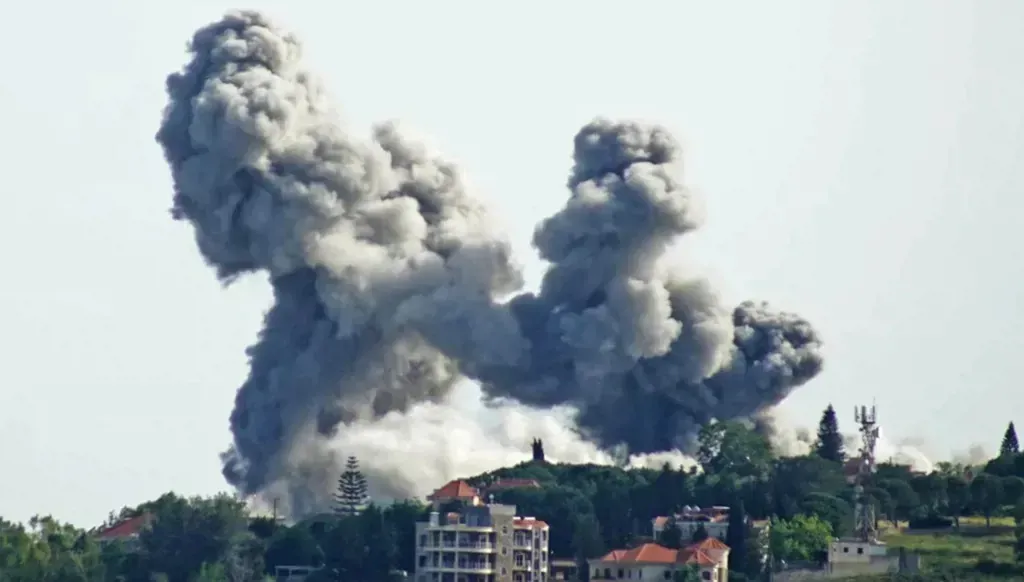


The Lebanese circles concerned with the negotiation file with Israel are reflecting positive signals regarding the possibility of reaching a ceasefire in southern Lebanon, linking it to Israel’s commitment, since the first key remains in its hands to achieve this breakthrough. The calculations of the different parties outweigh expectations.
The recent round in Washington concluded with a result that can be built upon, according to sources following the matter who are in contact with the Lebanese delegation headed by Ambassador Simon Karam. They indicate that the Americans are dealing with the issue with very high seriousness in order to reach a halt to hostilities, although they are not providing definitive answers as to whether Israel will implement what has been achieved at the negotiating table, despite an understanding of the Lebanese point of view. A number of political calculations are influencing the options of Benjamin Netanyahu ahead of the Knesset elections, as it is in his interest to run in them against the backdrop of a continuous escalation in southern Lebanon and Gaza.
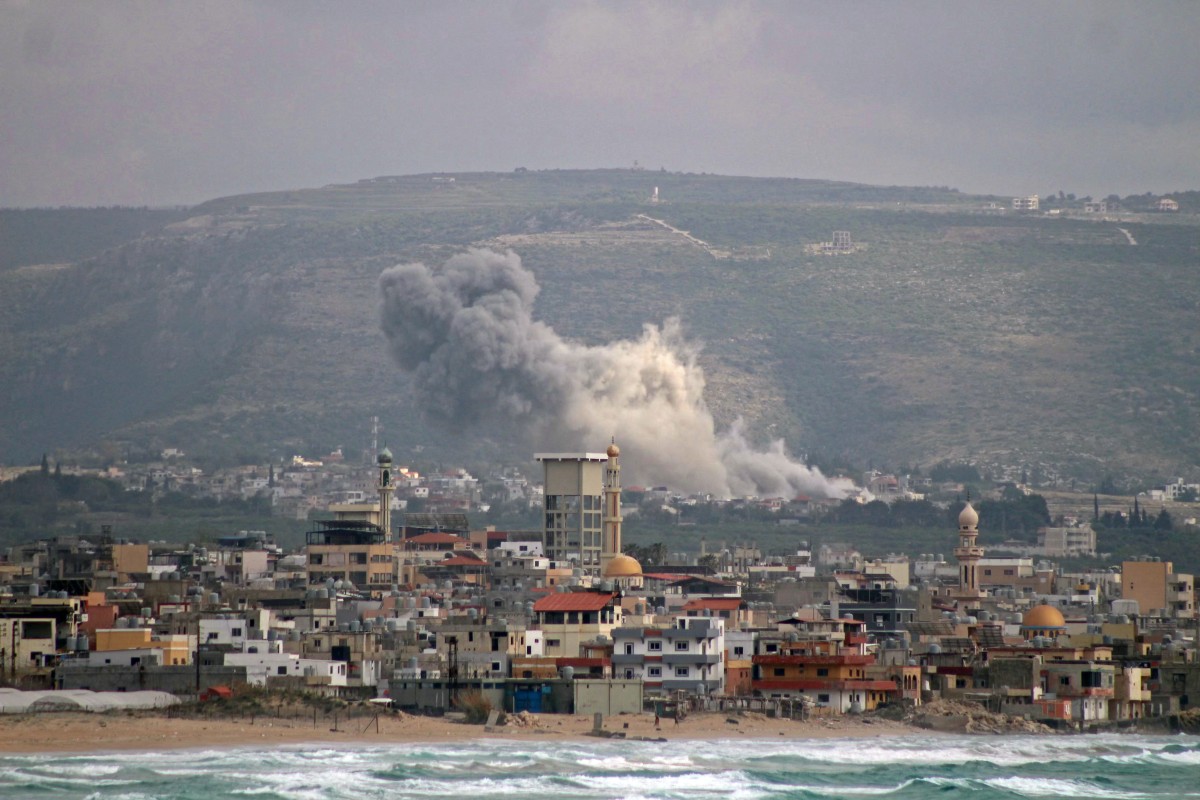
And although Netanyahu possesses a set of factors that work in his favor, President Donald Trump is able to “restrain” the project of the Tel Aviv government, especially if US–Iran negotiations in Pakistan succeed. There is also Lebanese insistence in the negotiations, which have become fixed and a de facto reality that cannot be bypassed, despite Hezbollah’s objection to them, with Washington focusing on a ceasefire from both sides. Therefore, the presidential office quickly informed Speaker Nabih Berri of the outcome of the round so he could brief Hezbollah on its results. Hezbollah will not delay in moving toward a “real truce,” provided that Israel stops its military machine and does not continue carrying out assassinations and tightening restrictions on civilians in the south and all other areas. The Lebanese delegation made significant efforts to implement a truce that would not resemble the previous version that “remained on paper.”
Lebanon is also emphasizing the improvement of negotiating terms, so that the expected truce, if implemented on the ground, would be accompanied by a halt to Israeli bulldozing and random demolition of homes in several villages, as well as a stop to assassinations. It is also clear that the Israeli negotiator is dealing firmly, relying on the leverage of force it possesses, while no guarantees are being extracted from it at the negotiating table that it would readily agree to freeze its military machine.
These negotiations are taking up a significant part of President Joseph Aoun’s preoccupations through his management of an open diplomatic military operations room in Baabda, and through setting the necessary directives for the delegation to follow up on what is happening in the talks, regarding what the Lebanese delegation is presenting and what it is hearing from its Israeli counterpart, which is experienced in this type of confrontation. At the same time, Lebanon continues to emphasize and demand an end to Israeli attacks and to prevent ongoing violations in the south and turn them into binding commitments, because the continuation of the first undermines the negotiation option and strengthens Hezbollah’s position, which is still waiting for what the winds of Islamabad will bring.
Sources following the matter told Annahar that Lebanon insisted on a 45-day ceasefire, while Israel wanted a shorter duration, which it would achieve through American intervention.
Amid Lebanon’s intense focus on trying to halt the war machine between Israel and Hezbollah, Western diplomatic sources say there should be no “excessive expectations,” on the basis that Tel Aviv will not easily agree to withdraw its army from the south. They also say that the Washington negotiations will succeed, and that they cannot be separated from what is happening in Pakistan and the outcomes it will produce, because Lebanon cannot escape either the positive or negative conclusions and their impact on the southern front.