

Lebanon’s amnesty debate exposes divisions as “Shiite Duo” defends measured approach
As Lebanon’s parliament debates a long-delayed general amnesty law, the “Shiite Duo” faces scrutiny over its cautious stance, with lawmakers highlighting disputes over detainees, drug-related cases, and controversial files linked to Israel.



 Messenger
 Whatsapp
 Threads
 Email
Email
 Print
Print
 X
X
 Facebook
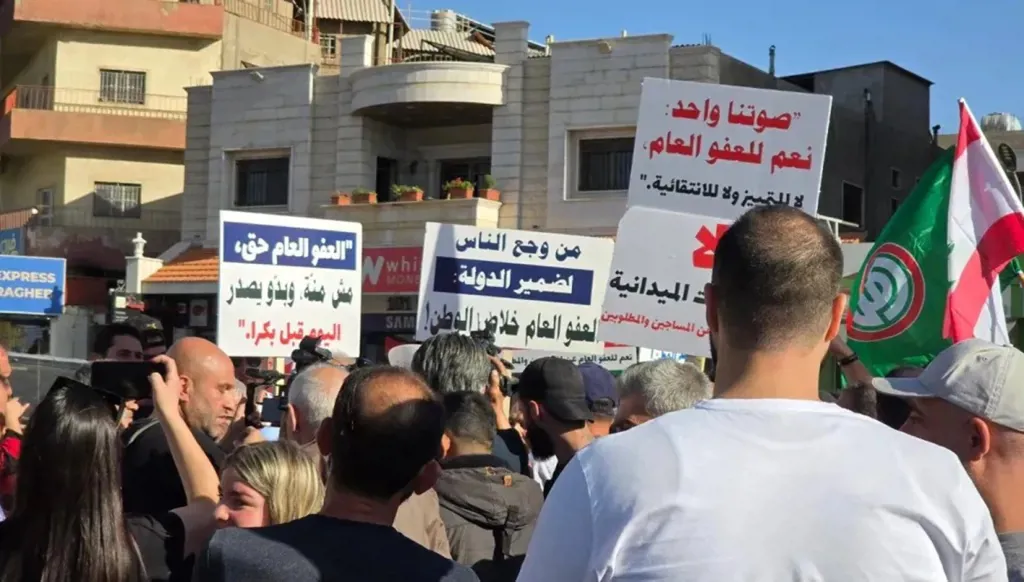


Amid heated parliamentary debates regarding the general amnesty law, for which significant efforts are being made to secure its approval, the “Shiite Duo” appeared to distance itself from the discussions and the arguments surrounding them. Unlike Sunni deputies who treated the issue of Islamic detainees as a matter of destiny, the Duo neither adopted nor opposed the causes within the file, nor did it strongly object to including those “forcibly displaced” to Israel in the amnesty, even though its view of them as having self-expelled remained unchanged.
In other words, the “coolness” of the Duo’s engagement with the ongoing discussions and arguments on the margins of this law, which has occupied public opinion for a considerable period, at times appears resolvable, while at other times it seems intractable due to its complexities and the extent of the discrepancies surrounding it.
Therefore, the question arises: Is the Duo’s reserved stance on this sensitive issue a carefully calculated and deliberate act, or does it stem from political calculations that require this phase not to appear biased toward any party in the conflict?
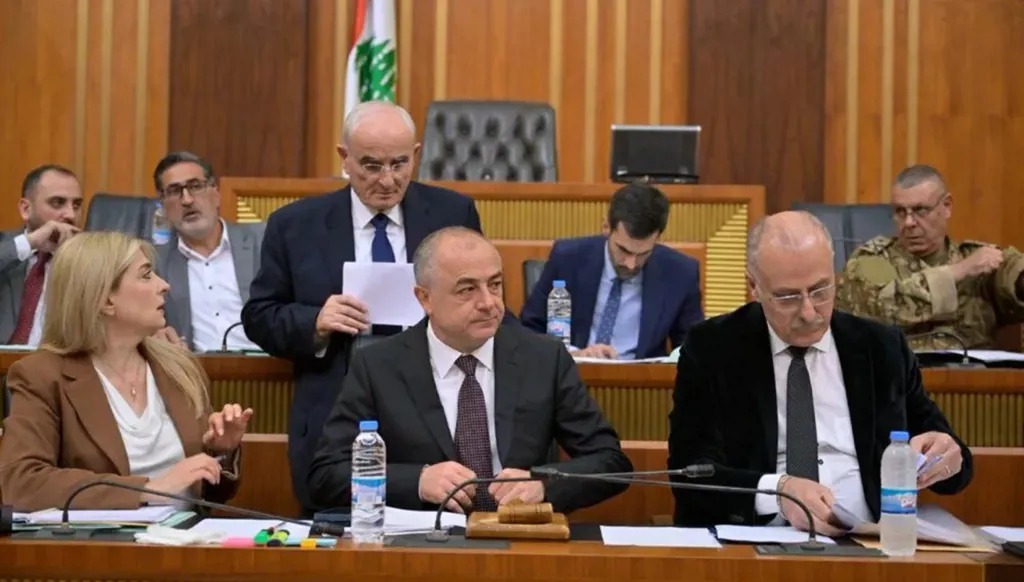
One of the Duo’s deputies acknowledges that the pressing circumstances and realities have consciously and deliberately led to an exceedingly cautious handling of this highly complex file.
Meanwhile, member of the “Development and Liberation” bloc, Deputy Ayoub Hamid, rejects the premise that the Duo has chosen to distance itself from this file and its ramifications and complexities. In a statement to “Annahar,” he says: “We have not placed ourselves outside the circle of discussions aimed at approving the awaited amnesty law. Our clear opinion was voiced on every clause, and we expressed it freely and frankly during the discussions of the joint committees tasked with ultimately approving the law before presenting it to the general assembly of the council, out of a deep concern to find solutions and understandings, not out of a desire to engage in discussions and arguments that raise the level of internal tension.”
He adds: “It is no secret that we were concerned, for instance, with the issue of search and inquiry warrants affecting around forty thousand of our people in the Bekaa, related to drug cultivation and trafficking issues, in addition to other crimes and misdemeanors whose perpetrators neglect to resolve their legal status, thus becoming wanted. Therefore, we focused the discussions on achieving precise treatments for each clause of this complex file, as, for example, a drug farmer or someone leasing their land to drug farmers cannot be treated in the same way as major traffickers.”
He continues: “We also expressed a clear stance toward those whom some insist on calling forcibly displaced to Israel, explaining that those individuals, who do not belong to a particular sect, chose to alienate themselves, join the occupation, continue serving it, and obtain its nationality, knowing they could have taken the path of their comrades who surrendered to the concerned official authorities and benefited from reduced sentences.”
Regarding the detainees and prisoners, including Islamists, Hamid says: “We were among the first to demand the closure of this file after trying them and releasing those proven innocent or those who completed their sentences during detention. We repeatedly called for the necessity of closing this case because keeping it open is akin to a ticking time bomb, and we urged a comprehensive view of the issue, whether by expediting trials or by reducing prison terms, and colleagues know we showed flexibility on this file.”
He concludes: “We do not favor using the term general amnesty, nor do we accept calls to empty prisons by releasing offenders. Instead, we advocate using the term ‘sentence mitigation,’ noting that some families of martyr soldiers have filed ‘civil rights’ lawsuits, thus opposing any judicial action that would override these rights under the umbrella of a general amnesty. We have handled this file with calmness, rationality, and comprehensiveness, far from any impulsiveness or fanaticism, and we have never approached the matter from the perspective of recording victories over anyone.”
Disclaimer: The opinions expressed by the writers are their own and do not necessarily represent the views of Annahar.