

Lebanon’s fragile currency: The hidden front in a new phase of political pressure
As political transition remains fragile in Beirut, the real battleground may be shifting from institutions and borders to the financial system itself, where currency instability could become a powerful tool of coercion and state paralysis.



 Messenger
 Whatsapp
 Threads
 Email
Email
 Print
Print
 X
X
 Facebook
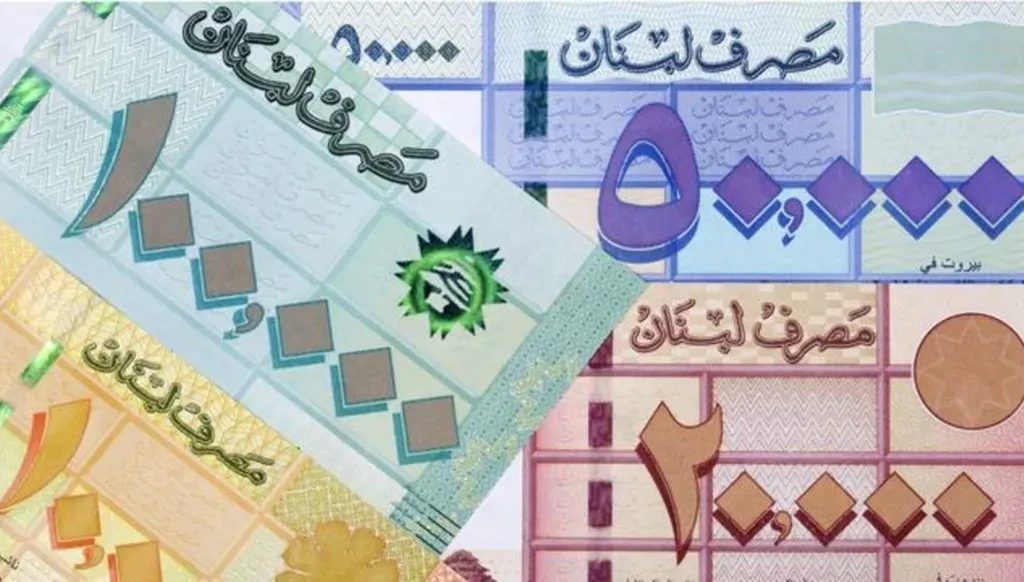


As Lebanon moves closer to a fragile political reset under the leadership of President Joseph Aoun and Prime Minister Nawaf Salam, a more covert form of confrontation may already have begun: a renewed campaign against the Lebanese pound.
The danger facing Lebanon today is not limited to military escalation or political paralysis but also lies in turning economic collapse into a deliberate weapon.
For Hezbollah, any direct mobilization against the government carries risks it did not face in previous years. Any attempt to push its supporters into the streets to confront the state openly could backfire dramatically. After years of economic collapse and successive wars, an increasing number of Lebanese people, including within the Shiite community, have begun to hold the armed group responsible for the country’s isolation and breakdown. Any open popular moves by the party could end up uniting its Lebanese opponents, alienating international partners, and reinforcing the image of Hezbollah as a force obstructing the state’s recovery.
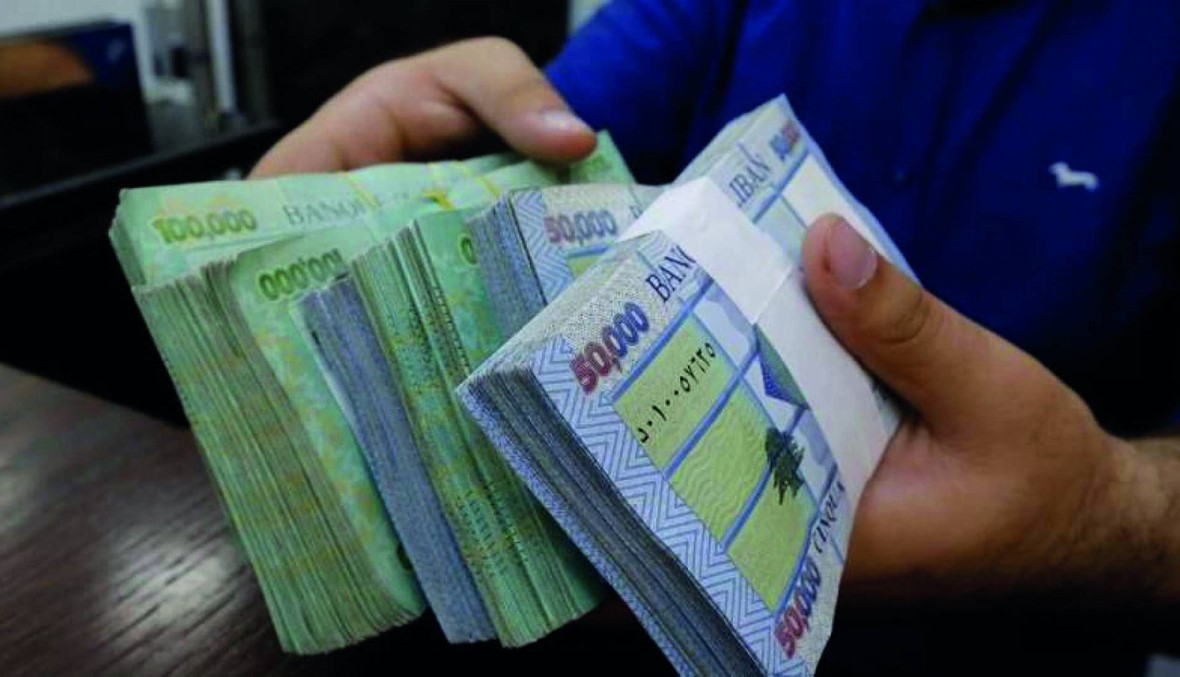
From the party’s perspective, manufacturing financial chaos may be far more effective.
Lebanon has experienced this scenario before. Between 2021 and 2023, the pound entered a spiral of collapse that destroyed purchasing power, paralyzed businesses, and pushed public sector employees into despair. Hyperinflation wiped out the value of salaries, accelerated dollarization, and drove ordinary citizens into the streets in anger. The collapse at the time appeared spontaneous, but in reality Lebanon’s currency market has long been fragile and susceptible to political manipulation.
Today, that fragility remains severe.
The Lebanese state still lacks effective external financial support, and the Banque du Liban, Lebanon’s central bank, has only limited tools left to defend the currency, most notably by absorbing dollars coming from remittances and cash markets. Companies and citizens who need pounds to pay taxes or local expenses sell dollars through exchange houses, which in turn recycle part of that dollar liquidity indirectly into the central bank’s reserves.
However, a large part of Lebanon’s exchange sector has long operated within political networks linked to Hezbollah and its allies. If major exchange firms begin hoarding dollars, slowing the conversion into pounds, or amplifying panic in the markets, these expectations could quickly become self-fulfilling. The Lebanese monetary system remains too fragile to withstand another shock of confidence.
Recent developments suggest that this narrative is already being built.
On April 27, a newspaper widely considered a platform for Hezbollah and the Iranian Revolutionary Guard published an article warning that the exchange rate was “on the brink of collapse.” Since then, commentators close to Hezbollah and affiliated social media networks have intensified their attacks on the governor of the Banque du Liban, alongside amplified speculation about an imminent collapse of the pound.
The campaign has not been limited to Hezbollah-aligned media. Other well-known newspapers and websites have also continued their criticism of the central bank governor and recirculated concerns about monetary stability, contributing, whether intentionally or unintentionally, to a deepening atmosphere of financial anxiety.
But the stakes go beyond the currency market itself.
Lebanon’s public sector remains highly exposed to fluctuations in the pound. Civil servants, the military, and internal security forces still rely primarily on salaries paid in Lebanese pounds. According to the 2026 budget, security and military institutions account for around 27% of total state spending, down from roughly 69% before the 2018 crisis, yet still sufficient to make any sharp currency collapse devastating for household incomes within the security apparatus.
And this is precisely where the political danger of a currency collapse lies.
If soldiers, police officers, and civil servants once again find themselves facing salaries that have effectively lost their value, protests could quickly erupt in the streets under the banner of economic anger rather than any direct political alignment with Hezbollah. What begins as monetary disruption could evolve into a nationwide state of unrest that pressures the Salam government into resignation and weakens President Aoun’s position at a moment when Lebanon is attempting to manage sensitive regional diplomacy, including discussions tied to de-escalation and possible future peace arrangements with Israel.
Undermining the economy offers a realistic pathway to political paralysis without firing a single shot.
The risk for Lebanon is that the country may once again repeat the mistake of underestimating how financial systems can be turned into instruments of political warfare.
For the United States, the lesson should be clear. If Washington wants to protect Lebanon’s fragile transition and prevent the return of Iranian influence through new tools, stabilizing the monetary front is no longer secondary policy but a core element of national security.
This may require emergency financial mechanisms to strengthen the Banque du Liban, Lebanon’s central bank, and its ability to absorb market pressure, including forms of temporary dollar liquidity support or financial swap arrangements. Without external backing, the Lebanese state will remain dangerously exposed to a pressure point well understood by Iran-aligned militias.
The next confrontation in Lebanon may not begin on the southern border, but at the currency exchange counter.
Disclaimer: The opinions expressed by the writers are their own and do not necessarily represent the views of Annahar