

Lebanon’s coastline under pressure: Decades of sea reclamation and war debris along the Mediterranean shore
From Dbayeh to Beirut Port, a look at how reclamation projects, reconstruction efforts, and war debris have reshaped Lebanon’s shoreline over the decades.



 Messenger
 Whatsapp
 Threads
 Email
Email
 Print
Print
 X
X
 Facebook
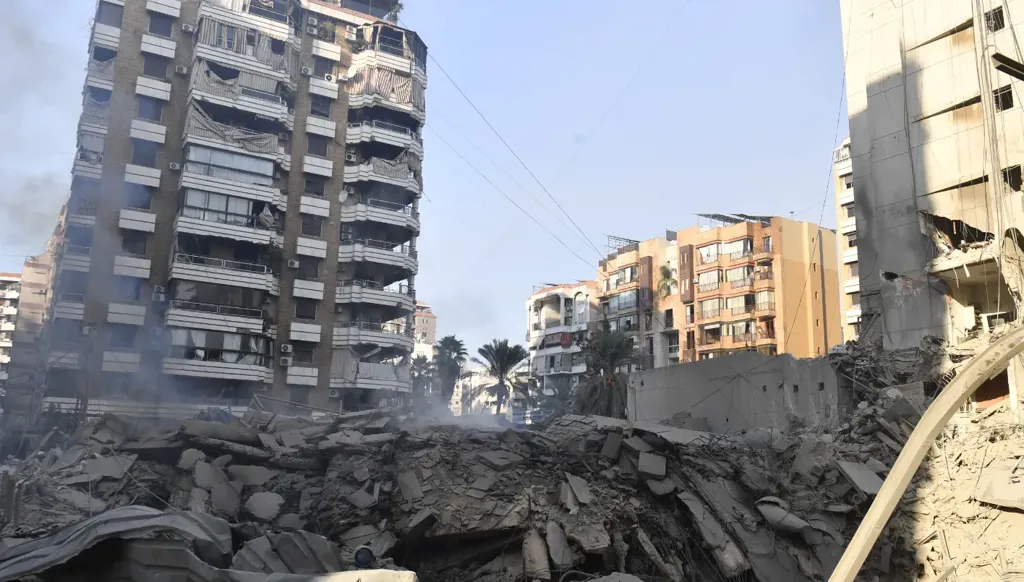


From the waterfront in Dbayeh to Ramlet al-Baida beach, the Biel area, and Costa Brava among others, sea reclamation projects in Lebanon have been numerous and have spread over several decades. Sea reclamation has become one of the country’s most controversial urban and environmental issues.
When did these operations occur? And what impact did they have on Lebanon's area?
Reconstruction
July War
The main areas affected by reclamation included:
• Northern Metn Coast: Dbayeh and Naqash.
• Beirut: Ramlet al-Baida beach and the area surrounding Beirut Port.
• Other areas such as Costa Brava, Tyre, and Tripoli.
While the 1990s were “rich” in reclamation activities, the successive wars Lebanon faced periodically not only plunged it into instability, destruction, and economic strain but also “compelled” the use of post-war practices, including disposing of airstrike and bombardment debris by burying it in the sea and newly created areas.
The 2006 July War saw the use of debris from Israeli bombardments to fill new areas, most notably along the Costa Brava shoreline.
After the “Support War” of 2024, serious reports about officially relying on the sea for the disposal of war debris and waste resurfaced, with indications of shifting debris toward the Ouzaii coast, along with rumors of around 100,000 square meters of debris being distributed between Akkar, Koura, and Tyre.
Today, what scenario will be drawn for the debris from the “Khamenei War”?
Is Lebanon’s sea still large enough to absorb debris from successive wars?