

Lebanon’s war debris crisis: Millions of tons, billions in aid, and unanswered questions
Behind reconstruction promises lies a growing environmental and public health challenge tied to millions of tons of war rubble.



 Messenger
 Whatsapp
 Threads
 Email
Email
 Print
Print
 X
X
 Facebook
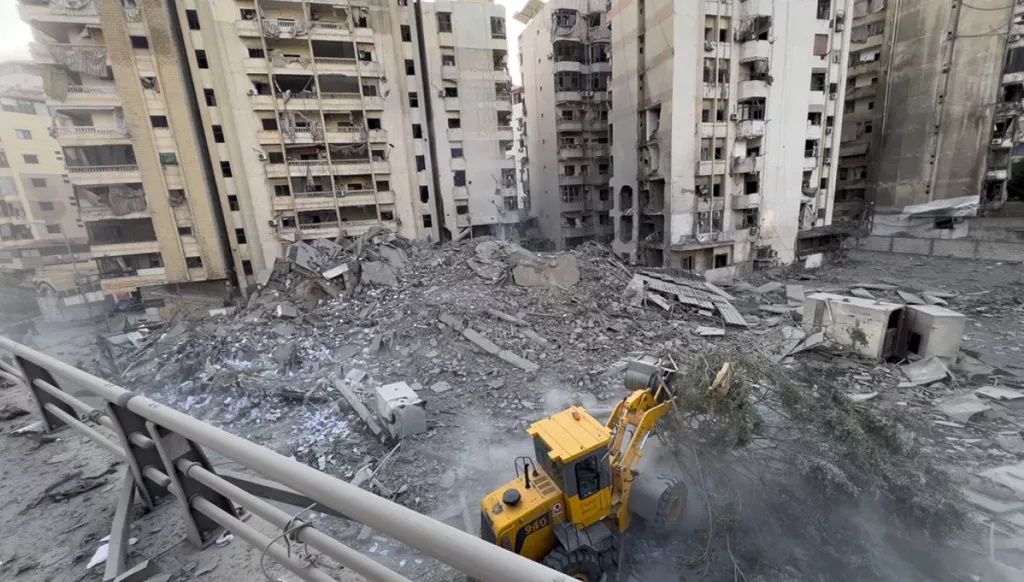


What is actually happening on the ground?
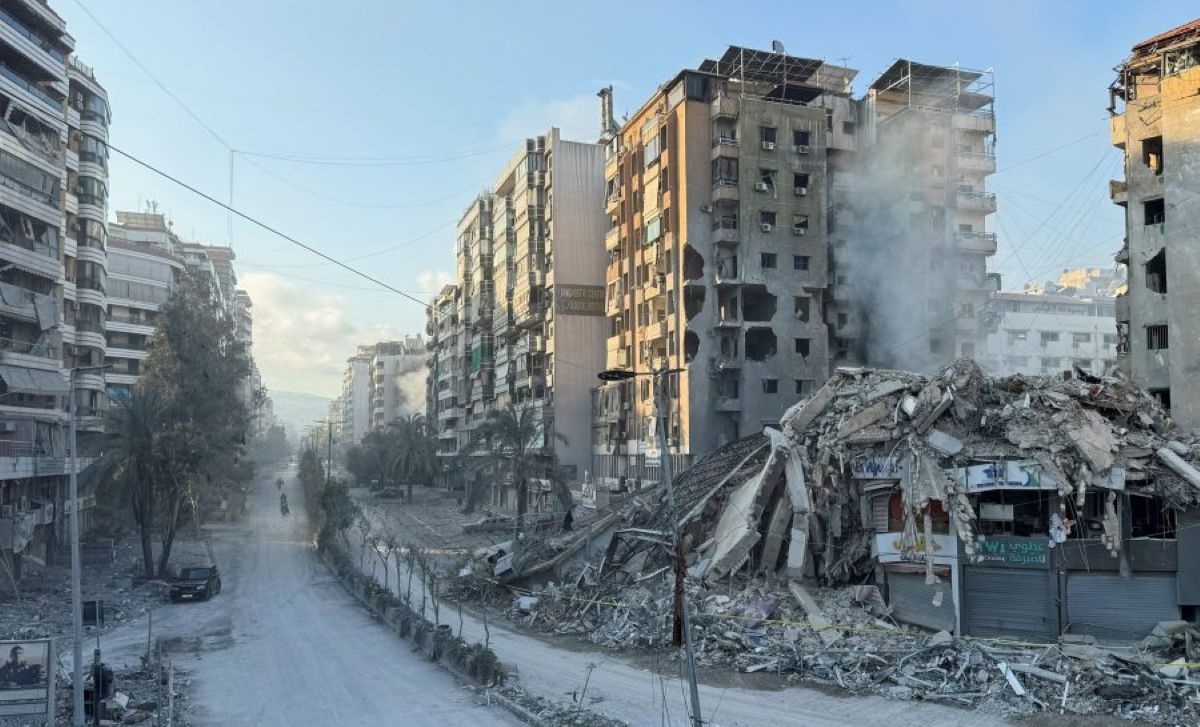
However, the practical outcome, as he explains, is that “contractors break up the concrete to extract the iron, while the remaining debris is transported to landfills or disposed of in various ways. In some cases, the debris is used in agricultural road paving projects, where it is spread on the ground as a reinforcing layer instead of being processed. In other cases, it is directly dumped in landfills. In Beirut’s southern suburb, the debris has been transported to Costa Brava, where parts of the sea were filled in as part of a project to expand the waste dump.”
Conversely, sources at the Ministry of Environment deny reports of “dumping anything into the sea,” noting that “no recycling process has been implemented yet, but this is planned and expected, as debris from the previous war is still being processed, while the LEAP project has only just begun.”