

Trump’s China visit: 5 key economic signals global markets can’t ignore
From trade tensions to AI rivalry and rare earth metals, here’s what the visit could mean for stocks, commodities, and the global economy.



 Messenger
 Whatsapp
 Threads
 Email
Email
 Print
Print
 X
X
 Facebook
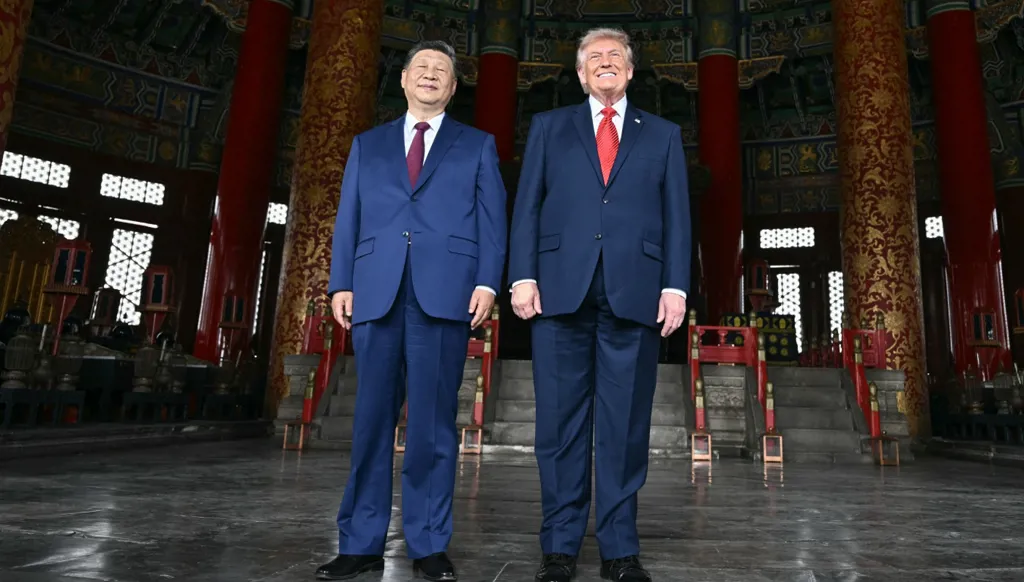


First fact: The visit is not only political, but distinctly economic
Second fact: Trade and trade deficit are central to the discussions
Third fact: The technological and artificial intelligence conflict is the most important battle
One of the most critical issues on the agenda during the visit is technological competition, particularly in the fields of artificial intelligence and advanced semiconductors. While the United States continues to maintain an edge in these strategic sectors, it is fully aware that China is advancing rapidly to close the gap by strengthening its domestic capabilities and reducing its reliance on American technology.
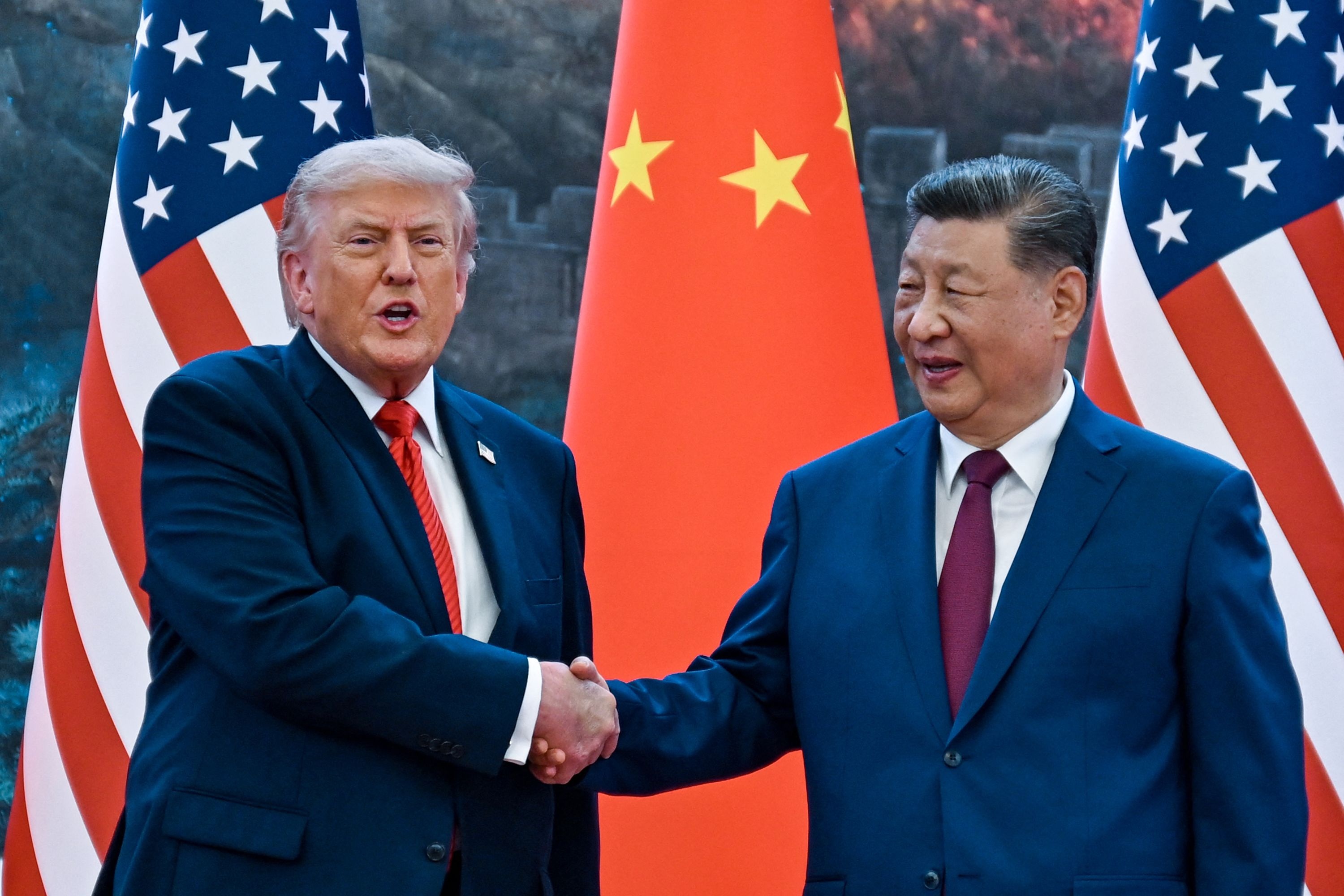
Fourth fact: Rare earth metals are a strategic card in China's hands
Any cooperation between Washington and Beijing in this area could help stabilize markets and ease pressure on global supply chains. However, any escalation or Chinese restrictions on the export of these metals could drive up the prices of industrial and technological goods, directly impacting electric vehicle, defense, and renewable energy companies. For this reason, markets are closely watching this issue, as it concerns not only China and the United States, but also the future of global industry as a whole.
Fifth fact: The visit's outcomes may affect the dollar, stocks, commodities, and the global economy
If the visit ends without clear results or opens the door to new escalations, we may witness pressure on markets, a decline in confidence, and increased volatility. The dollar, oil prices, metals, and technology company stocks may be affected, in addition to emerging markets that rely heavily on global trade flows.