Trump faces China’s firm stance on Iran and Taiwan

Opinion 15-05-2026 | 08:32

Trump faces China’s firm stance on Iran and Taiwan

Beijing uses its economic weight and strategic influence to push back against US pressure as disputes over trade, regional conflicts, and security deepen.


Trump faces China’s firm stance on Iran and Taiwan
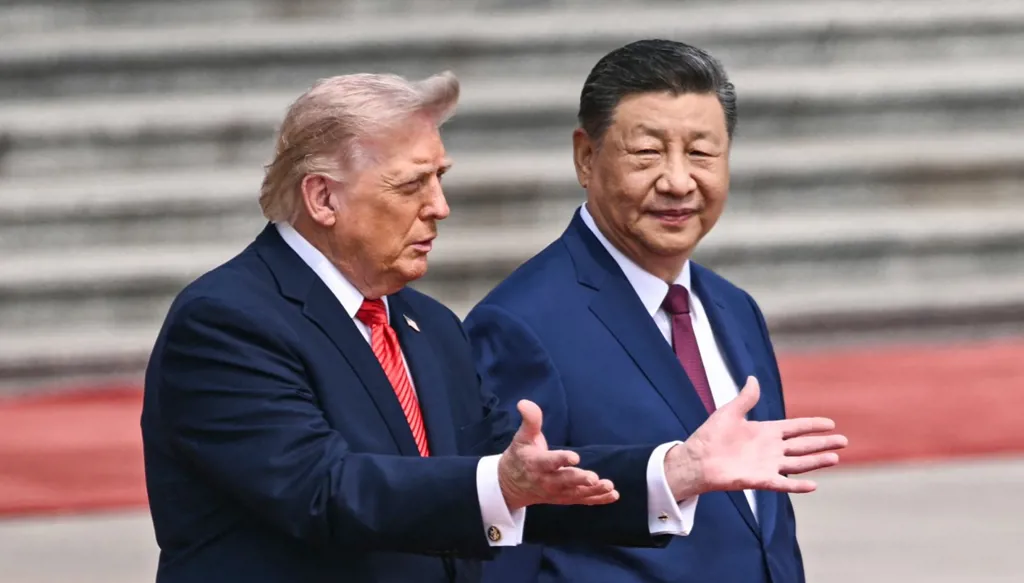
US President Donald Trump and Chinese President Xi Jinping during an official welcome ceremony at the Great Hall of the People in Beijing. (AFP)
Smaller Bigger

International conflicts were not absent from the agenda of the US Chinese summit, although trade relations between the world’s two largest economies attracted most of the attention of Chinese President Xi Jinping and US President Donald Trump in Beijing.


When armed conflicts clash with trade interests, they can no longer be kept off the negotiating table. Although Trump somewhat reduced his stream of tweets about Iran during his stay in Beijing, the Iranian file remained strongly present because of the damage it causes to the global economy, including both China and the United States.


Beijing Between Interests and Mediation


US Secretary of State Marco Rubio linked US Chinese trade relations to what he described as Chinese support for Iran. He said it is in China’s interest to help resolve the crisis, since many of its ships are stranded in the Gulf and a slowdown in the global economy would harm Chinese exporters. In doing so, he appeared to be indirectly calling for Chinese intervention to persuade Iran to show flexibility on disputed issues with the United States, ranging from the nuclear program to the closure of the Strait of Hormuz.


But to what extent is China willing to use its influence with Iran to soften Tehran’s position? There are doubts that Beijing will take on a direct mediation role between Washington and Tehran. Chinese Foreign Minister Wang Yi has repeatedly stressed that his country supports the ongoing Pakistani mediation efforts and is maintaining contacts with various parties in the Middle East for this purpose.


It is true that China has been affected by the closure of the Strait of Hormuz and the US naval blockade of Iranian ports. However, as a leader in alternative energy sectors that reduce reliance on fossil fuels, it is better positioned to withstand shortages in oil and gas imports. In addition, following the war, Asian countries and Australia have become increasingly dependent on alternative energy sources coming from China, making the country an indispensable trade partner.


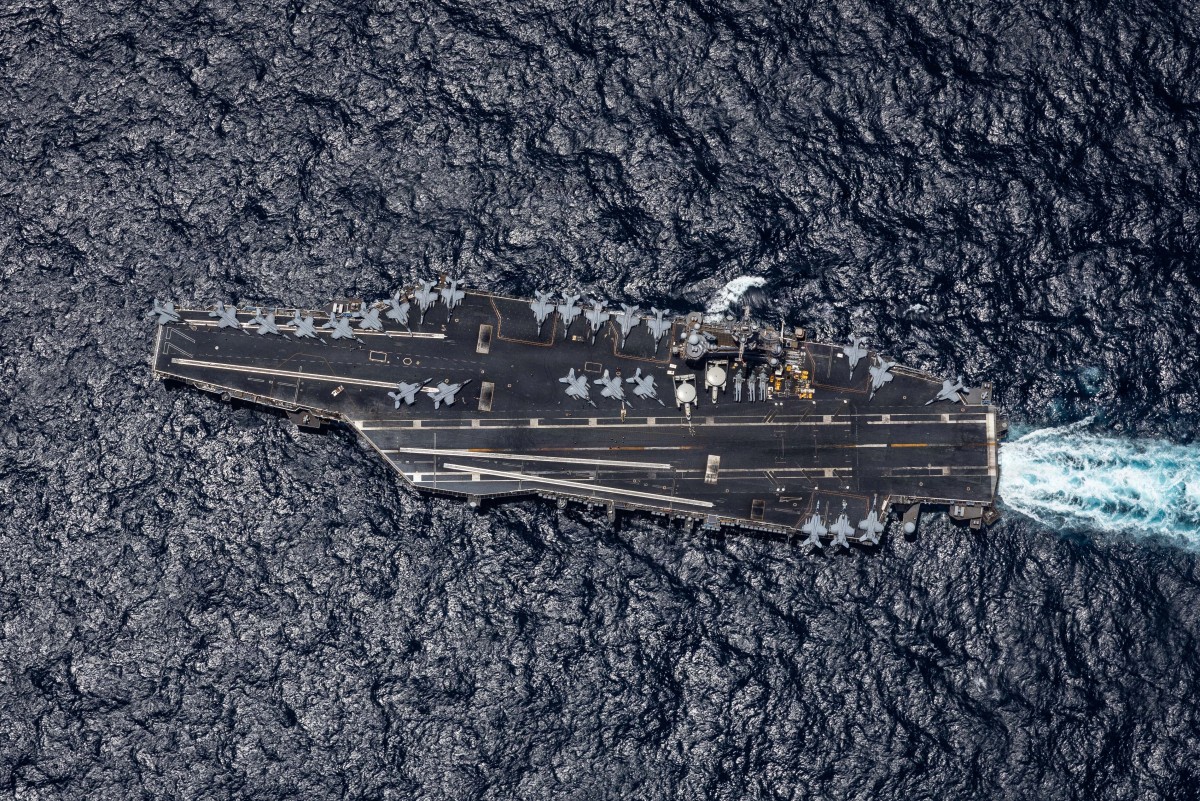
A US aircraft carrier sailing in the Arabian Sea. (US Central Command)


Trump and the Limits of Pressure on China


As Trump arrives in China at the height of the crisis with Iran, while his popularity at home is declining because most Americans do not support the war, and with the possibility that Republicans could lose their majority in Congress, or at least in the House of Representatives, in the upcoming November elections, and after US courts suspended the tariff increases Trump imposed during the first months following his return to the White House in 2025, the US president does not possess enough leverage to bring about a change in China’s position on international issues.


On the contrary, the Chinese president, who assured American business leaders that “China’s doors will continue opening wider and wider” to the world, drew a red line against any American recklessness regarding Taiwan, warning that “mishandling the issue could push the two countries toward confrontation or even conflict, risking the deterioration of overall US Chinese relations into an extremely dangerous situation.”


This was a firm Chinese message to Trump to think twice before approving a US arms deal for Taiwan worth 14 billion dollars, and to consider the risks such a move could pose to trade relations with the United States at a time when American technology industries need rare earth materials from China. Xi Jinping summed up relations between Beijing and Washington in one sentence: “When we cooperate, both sides benefit, and when we confront each other, both sides suffer.”


This principle is expected to apply to the broader relationship as a whole, from opening Chinese markets to American meat, soybeans, and Boeing products, to issues involving Taiwan, Iran, and Ukraine. According to Trump’s description, “the biggest summit in the world” will determine whether US Chinese understanding and cooperation will continue.


Disclaimer: The opinions expressed by the writers are their own and do not necessarily represent the views of Annahar