

Lebanon faces uncertainty after France cancels official exams in the Middle East
As France shifts to school-based assessment for its Baccalaureate and Brevet exams in the region, Lebanese officials and educators debate whether the country should follow suit, while students remain in limbo awaiting a clear national decision.



 Messenger
 Whatsapp
 Threads
 Email
Email
 Print
Print
 X
X
 Facebook
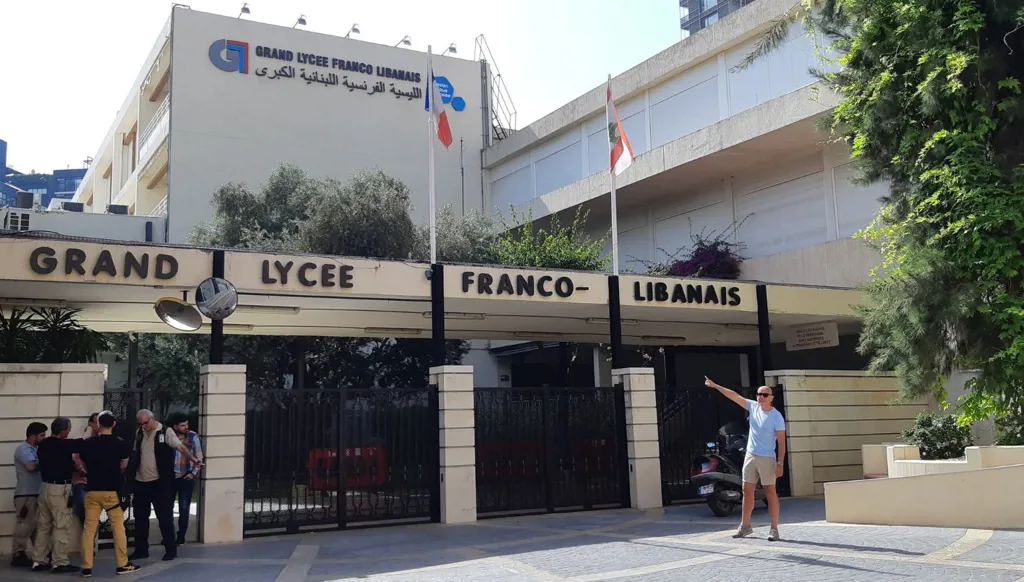


Since the era of the French mandate in Lebanon between 1920 and 1943, the French educational system became deeply rooted, and its presence was later strengthened through the network of schools of the French Agency for Education Abroad AEFE and French missions. Over time, the French Baccalaureate became a primary option for many Lebanese families, due to the academic opportunities and university pathways it provides within Lebanon and abroad.
However, this year, due to the security situation in the region, the French Ministry of Education decided to cancel all Brevet and Baccalaureate examinations in French educational institutions located in the Middle East region, including Lebanon. What are the consequences of this decision for students and schools?
67 private affiliated schools in Lebanon
In practice, the French Baccalaureate is no less important than the Lebanese Baccalaureate, according to the Secretary General of Catholic Schools, Father Youssef Nasr, who explains that the French Baccalaureate is an official diploma that serves as a passport to university studies.
He points out that there are about 67 affiliated private schools Homologuées in Lebanon, including 40 Catholic schools. These schools are officially accredited by the French Ministry of Education, and their educational programs qualify students to sit for the French official examinations.
How does the decision affect students?
He explains that the AEFE has replaced official examinations with school grades and each student's academic portfolio. From here, Nasr reassures that even with the cancellation of the official exam, the student will receive the French certificate based on their school grades and the file that the school will submit about their academic status.
He emphasizes that although the message was clear, a meeting will be held with the AEFE official Isabelle Fico to confirm all details, as the main issue lies in the fact that the cancellation decision included only affiliated schools, while it did not include free candidates or students registered through nonaffiliated schools, as their exams have been postponed to September instead of being cancelled.
In addition, Nasr asks whether the students who were supposed to take the French Baccalaureate and had their exams cancelled are now obliged to take the Lebanese Baccalaureate. This question still needs a clear answer, and further clarifications are awaited after the upcoming meeting.
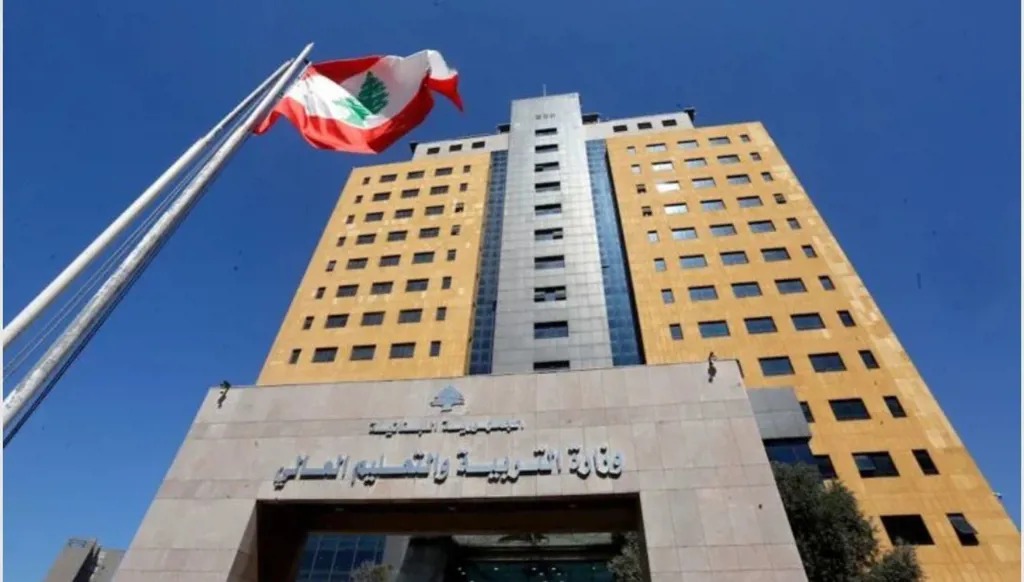
What about the Lebanese position?
For his part, the rapporteur of the Parliamentary Education Committee, MP Edgar Traboulsi, considers that the French decision was “wise”, adding that he hopes “our country would follow suit”.
He also points out that canceling the French Baccalaureate does not affect students, because relying on school grades allows them to continue their admission to French universities, provided that the results are authenticated by the Lebanese Ministry of Education. He adds that the Minister of Education Rima Karami is still not convinced that it is impossible to hold the Baccalaureate exams. He says that discussions are still ongoing regarding official examinations, noting that they opposed the idea of holding the Baccalaureate in three sessions and are calling for only two sessions, or even one if possible, along with canceling the Brevet exams and adopting school based results, following the French example.
Regarding the minister’s insistence on holding exams, Traboulsi says that her position aims first to encourage students to continue studying, and second to help schools collect third term fees. He adds that the minister has promised that the date for the end of the school year and the exam schedule will be set by May 10 to 15 at the latest.
At a time when the French government has finalized its decision regarding official examinations, Lebanese students are still waiting for a clear stance from the Lebanese state that would put an end to the sense of confusion they are experiencing and ease the burden of a period that already carries significant psychological pressure.