

The heritage house that war turned to ashes in South Lebanon
In the southern town of Kfar Roummane, Saad Al-Zein transformed his family home into a living museum preserving Lebanon’s rural memory, until war destroyed not only a house, but an entire way of life.



 Messenger
 Whatsapp
 Threads
 Email
Email
 Print
Print
 X
X
 Facebook
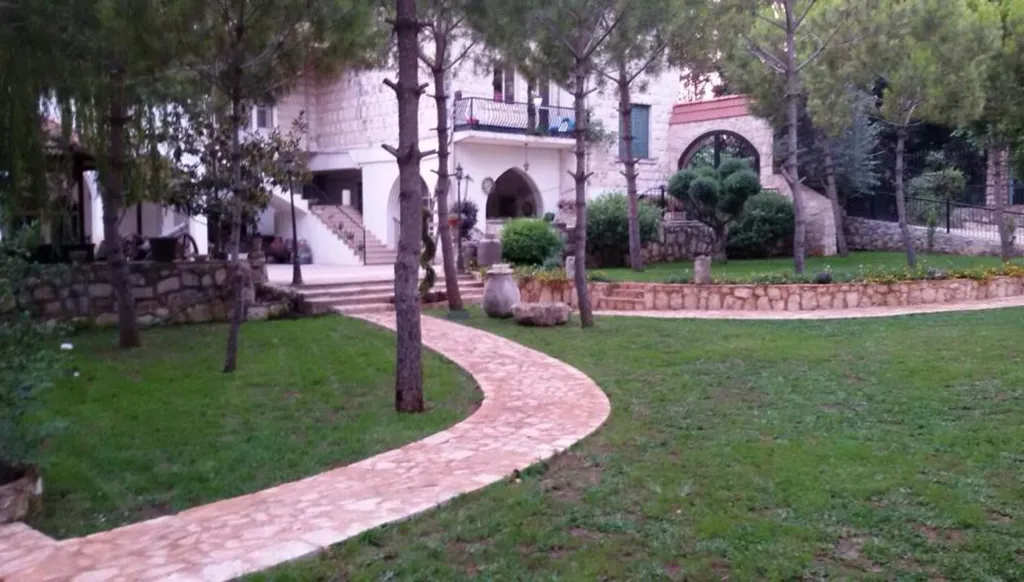


Since Abdul Aziz Al-Zein began constructing his house in late 1940 beside the historic mansion of his late father, Yusuf Bek Al-Zein, in the southern town of Kfarreman, he was certain that the house would remain a testament to the family’s legacy dating back to the period before the French Mandate, especially as he was the only one among his siblings who chose to build his home in the town.
But what he certainly did not know was that the historic house, later transformed by his son, Saad Al-Zein, into a heritage museum resembling an oasis of diversity in Kfar Roummane, would one day be reduced to ashes by the Israeli war machine… “At what price? For what cause? For what reason?”
With the advent of liberation in 2000, Saad Al-Zein launched a workshop to restore the house, which had been “repeatedly damaged by Israeli shelling since the 1970s, like most homes in the South,” he confirmed to Annahar.
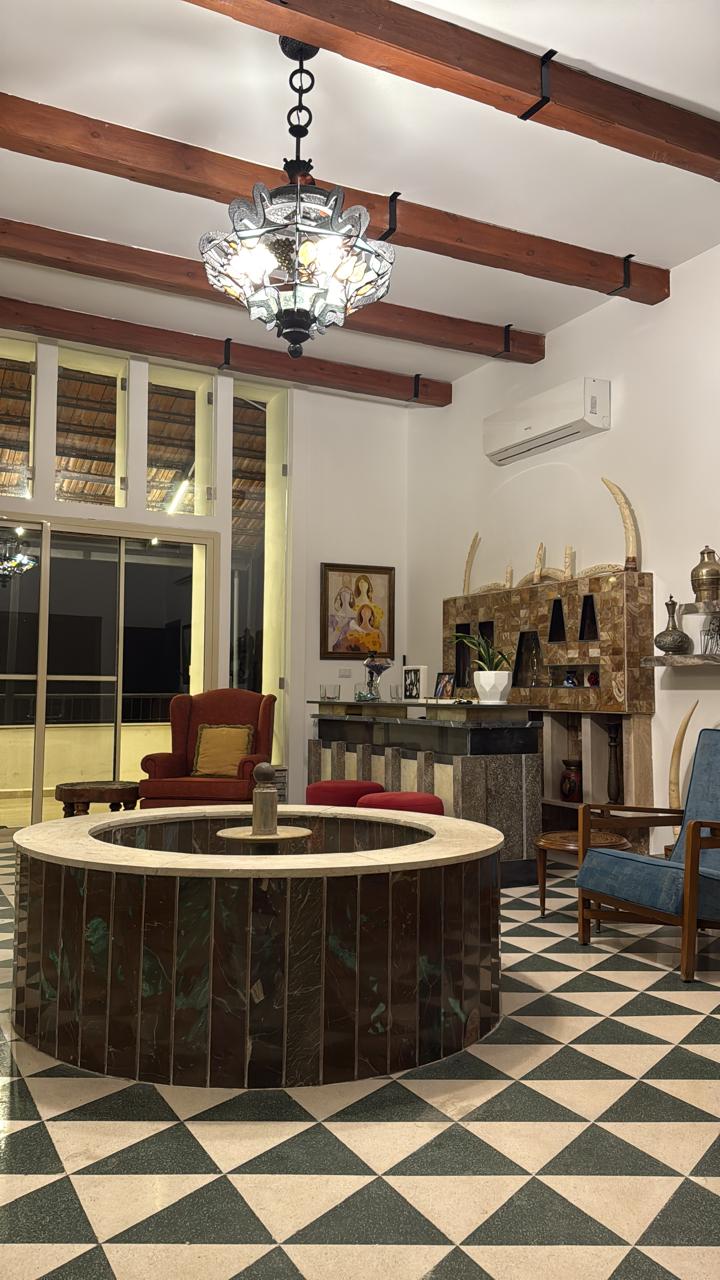
He explained that “the house was built in 1945 from stone and brick, with a high roof suited to the needs of tobacco cultivation, in addition to a basement room dedicated to storing the crop.”
Historian Ali Mazraani confirms that “the house, to which expansions were added in 1960, was distinguished by its traditional southern architecture associated with the homes of those engaged in tobacco cultivation, especially since Abdul Aziz Al-Zein was among the pioneers of this sector.”
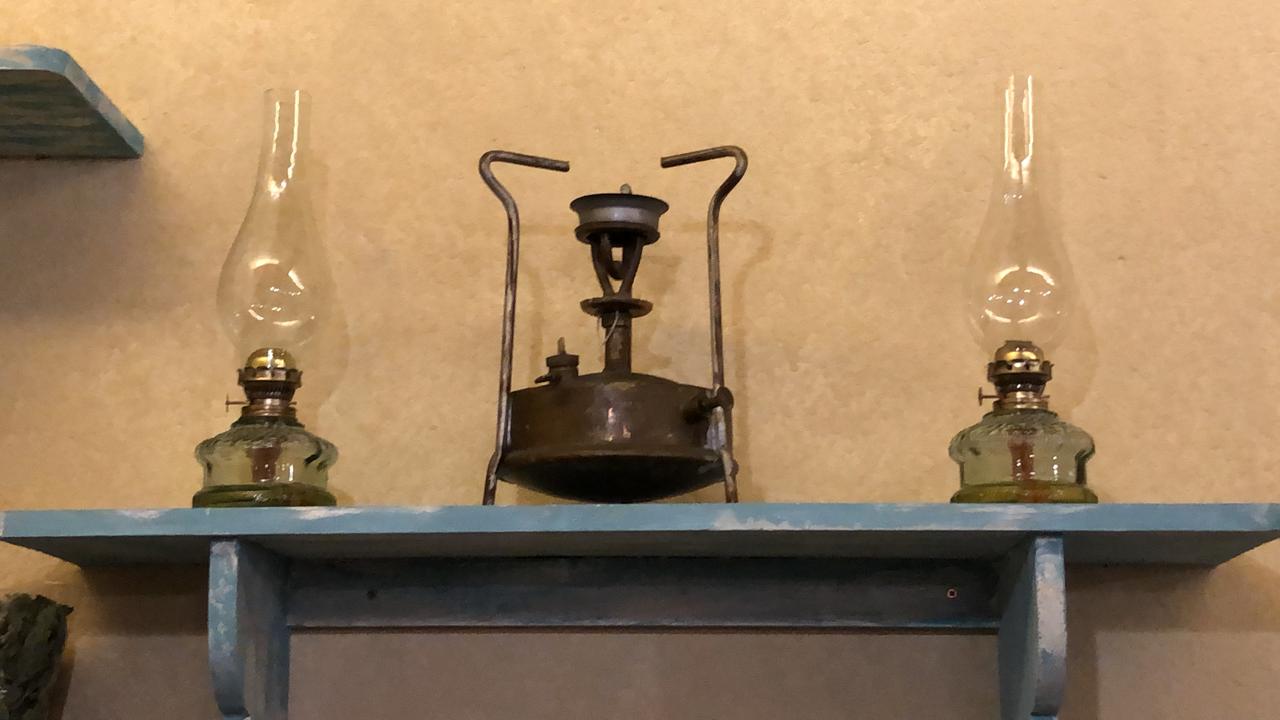
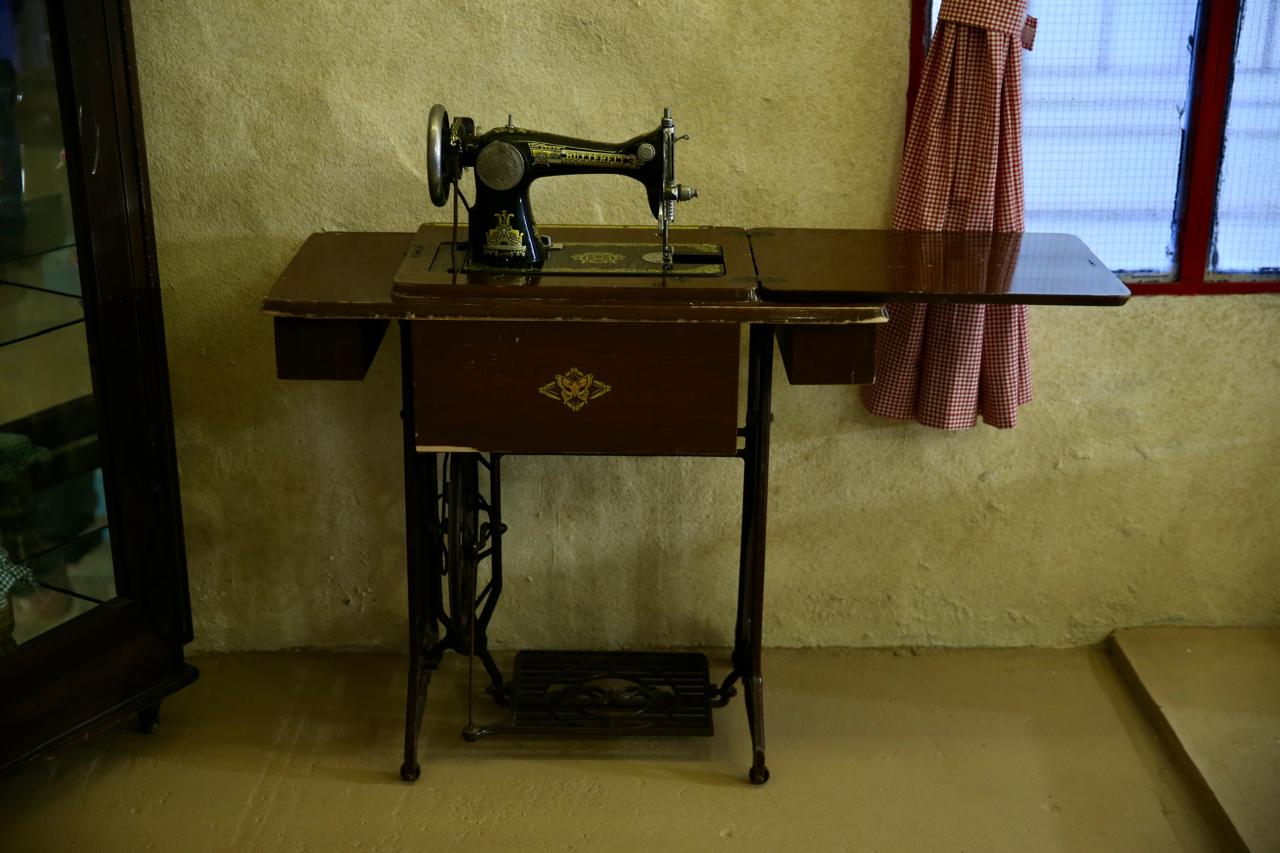
Mazraani points out that “Saad Al-Zein brought about a qualitative heritage transformation, as he did not merely restore the house but turned it into a living museum. He recreated the stone arches, old bricks, and the ‘hawouz’ (water tank), and gathered traditional farming tools, from the plow, threshing board, sickle, and pickaxe to the stone stoves and more.”
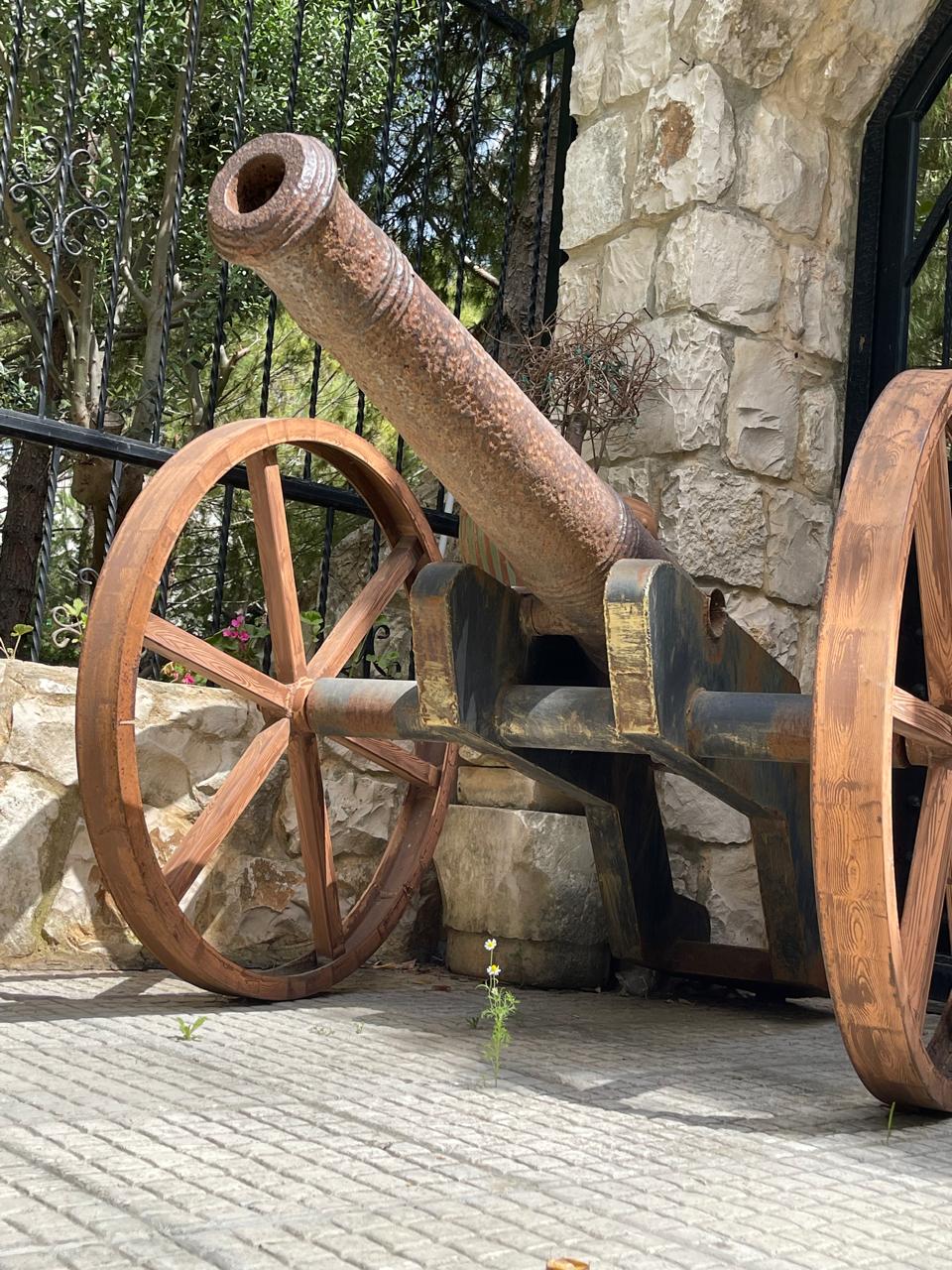
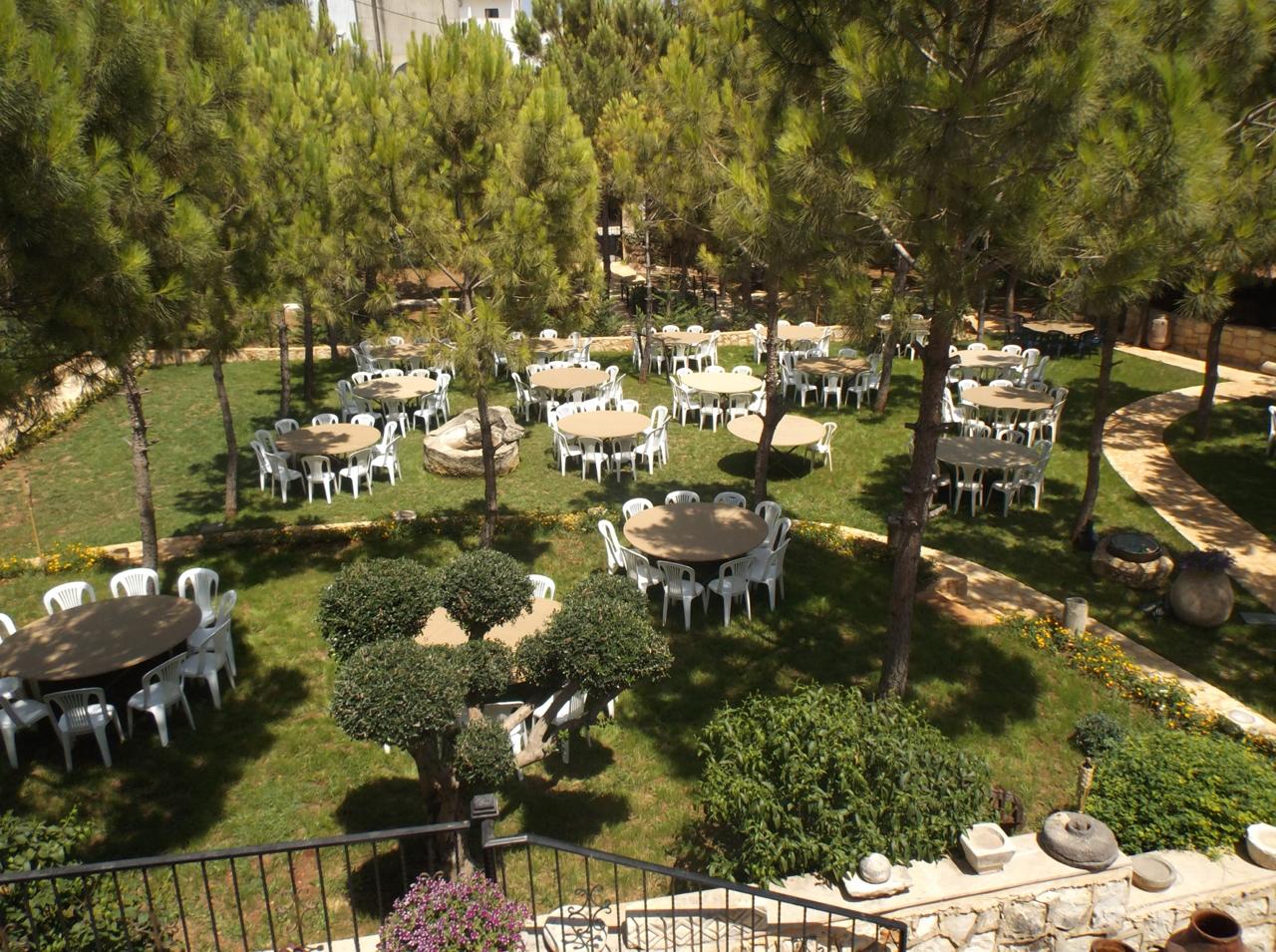
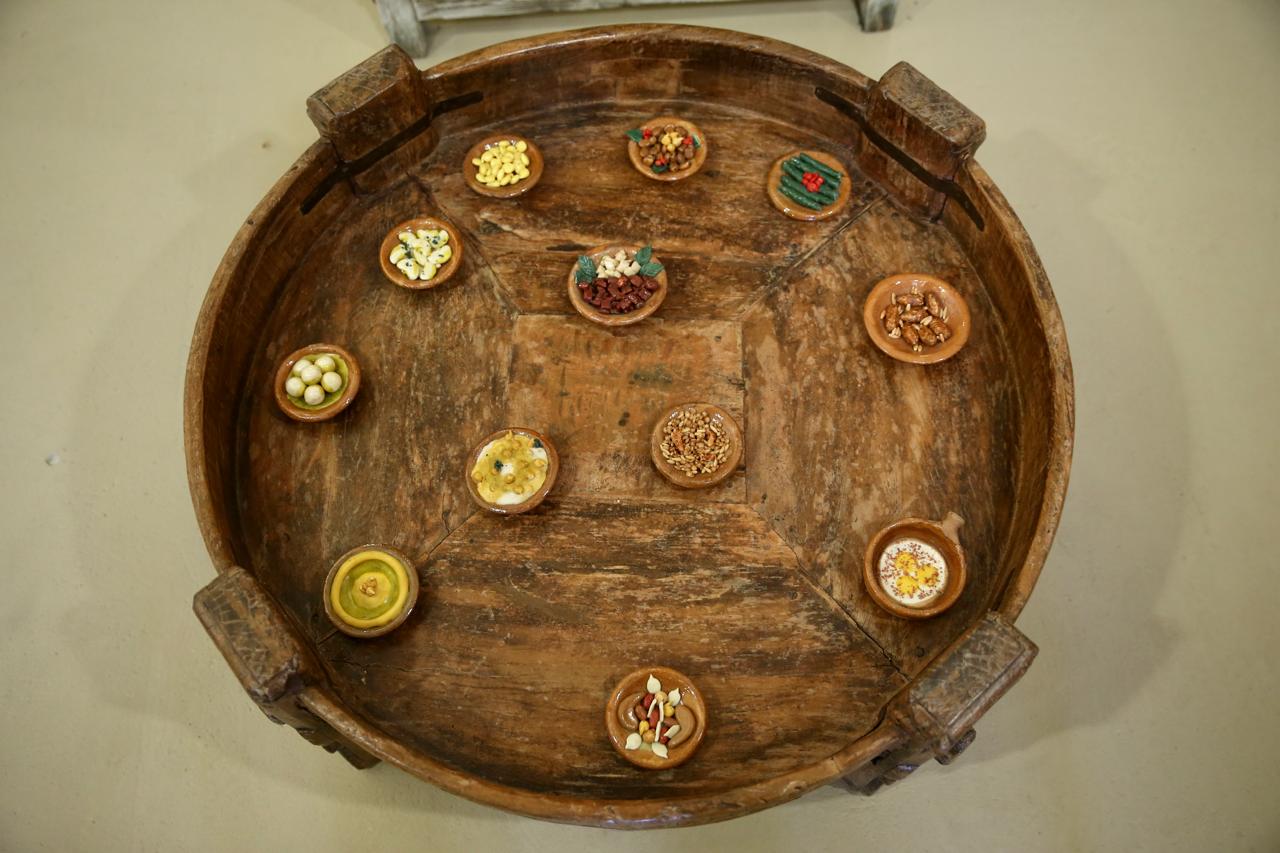
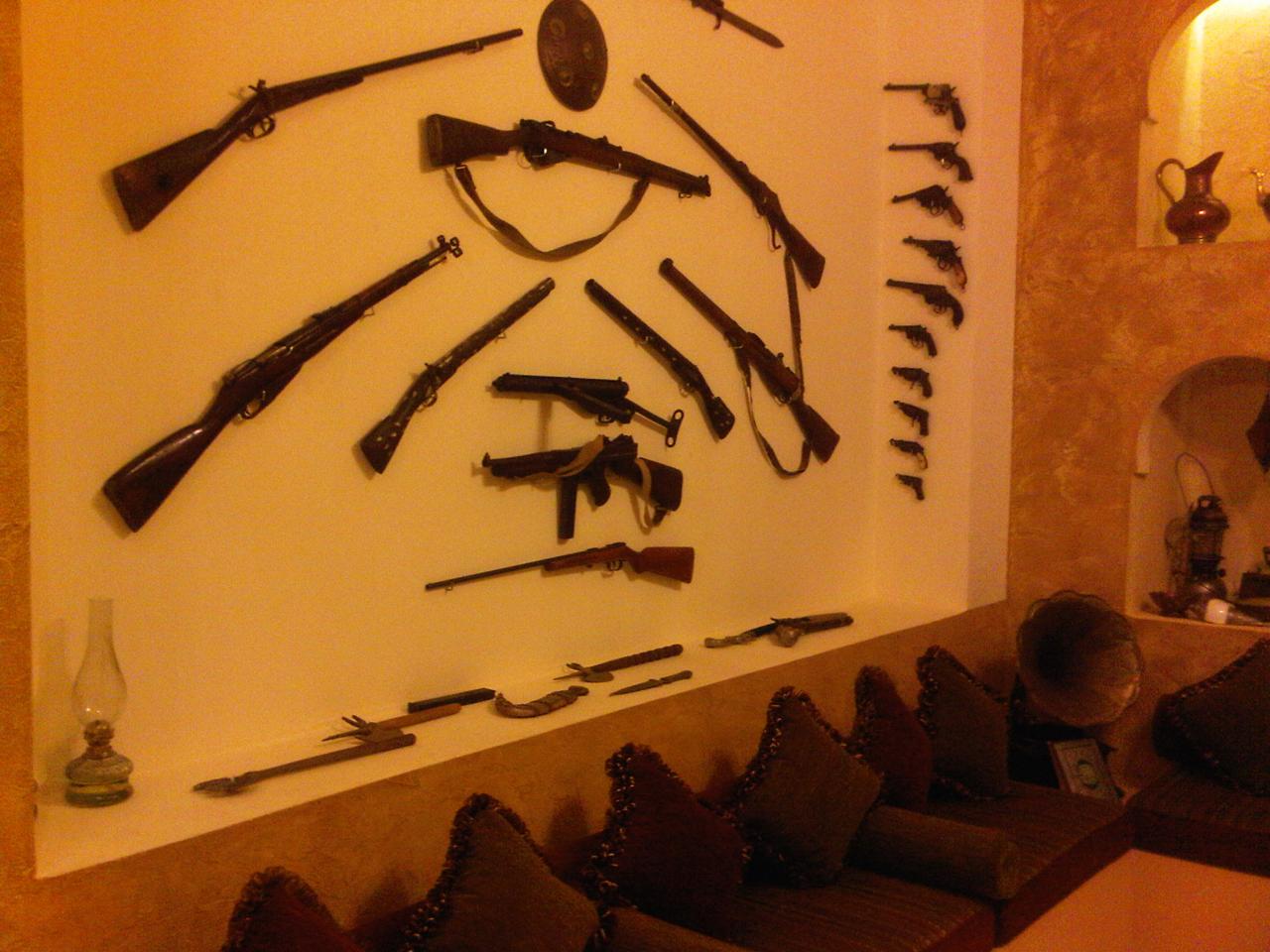
Saad does not hide the fact that his house, nestled among the ancient pines of Kfar Roummane, served as “his personal refuge” away from the noise of Beirut, where he would gather with friends and loved ones in the garden beside the Ottoman cannon and the heritage weapons he collected, “from the smallest pistol to the largest rifle,” as well as family photographs dating back to the era of his grandfather Yusuf Bek Al-Zein, his late uncle MP Abdul Latif Al-Zein, and manuscripts written in his father’s handwriting, along with numerous other documents and archives.
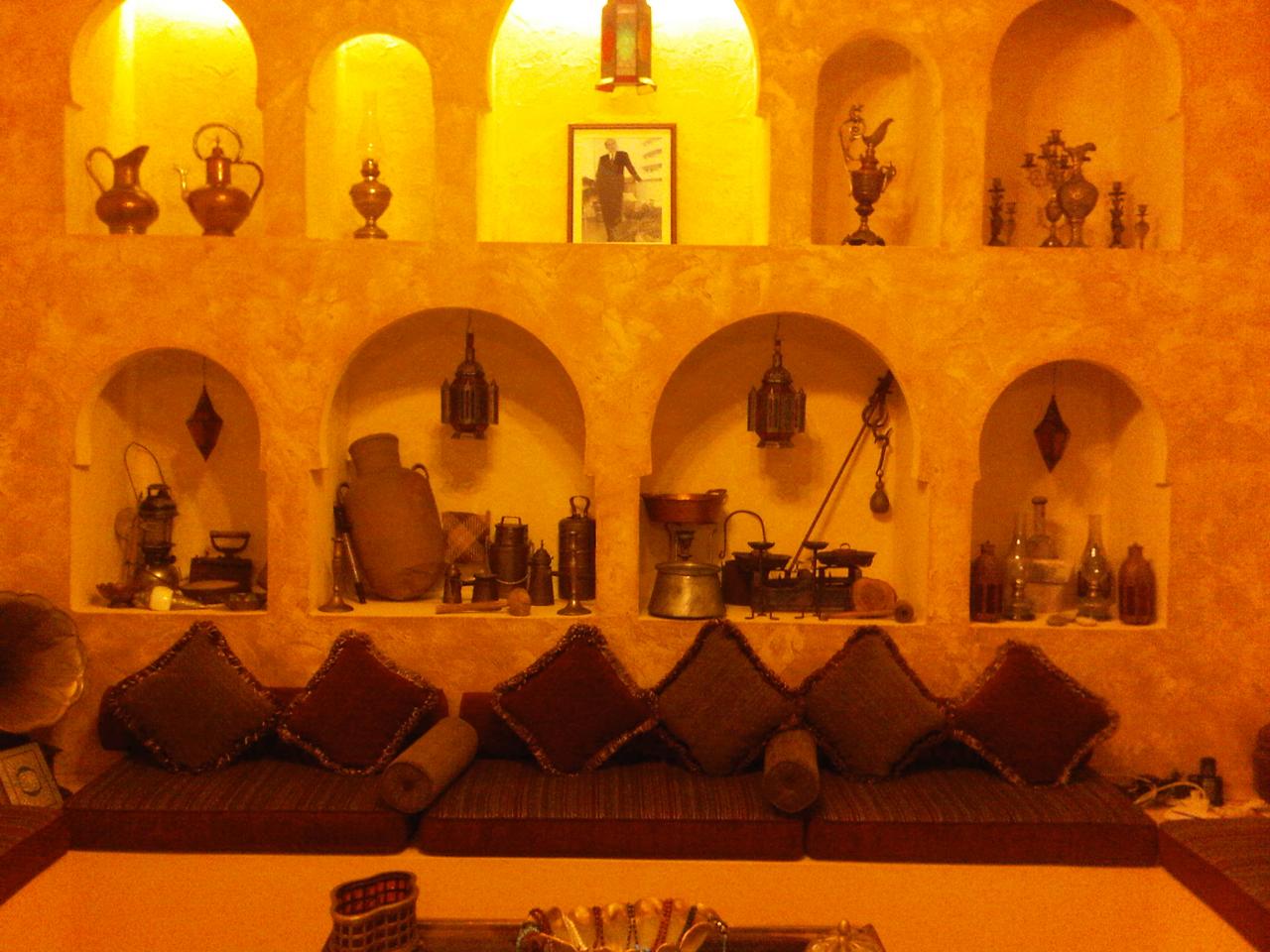
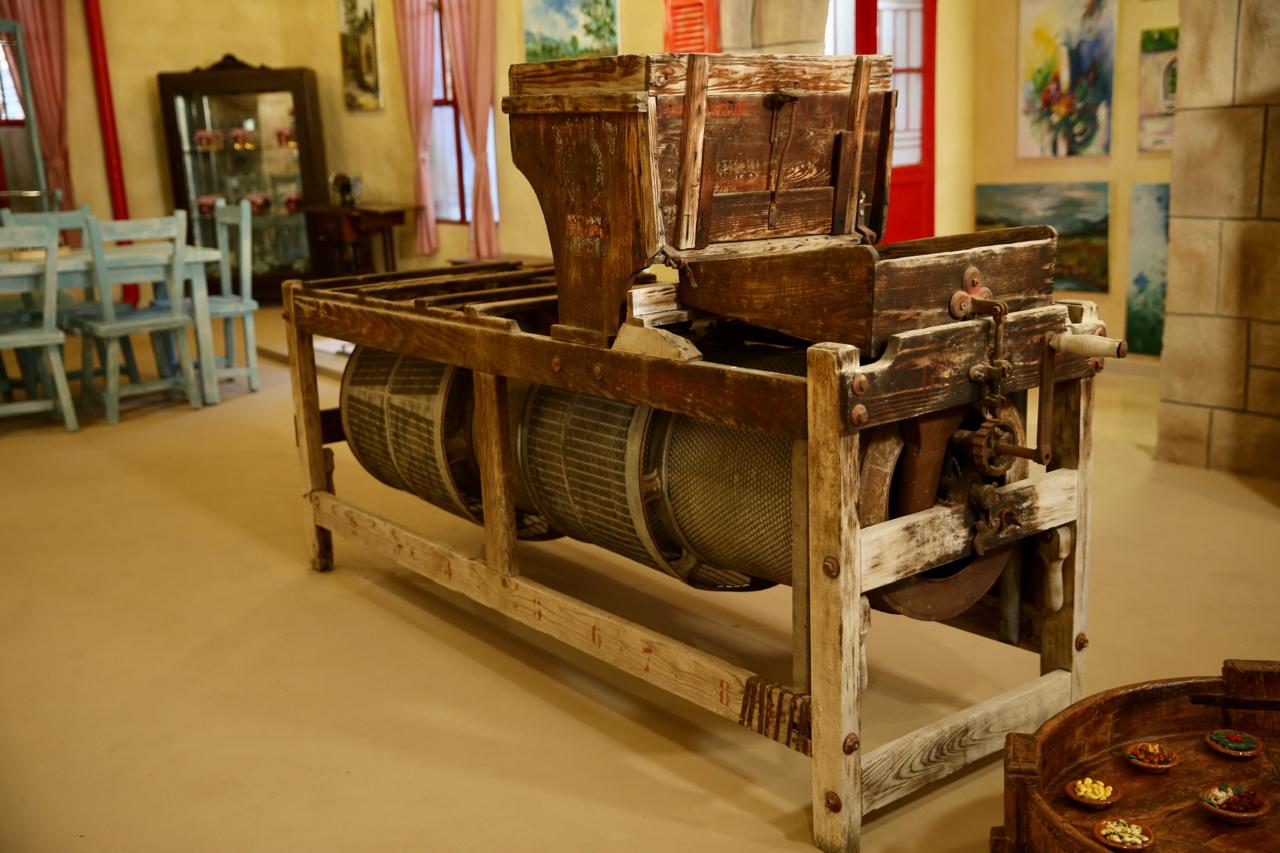
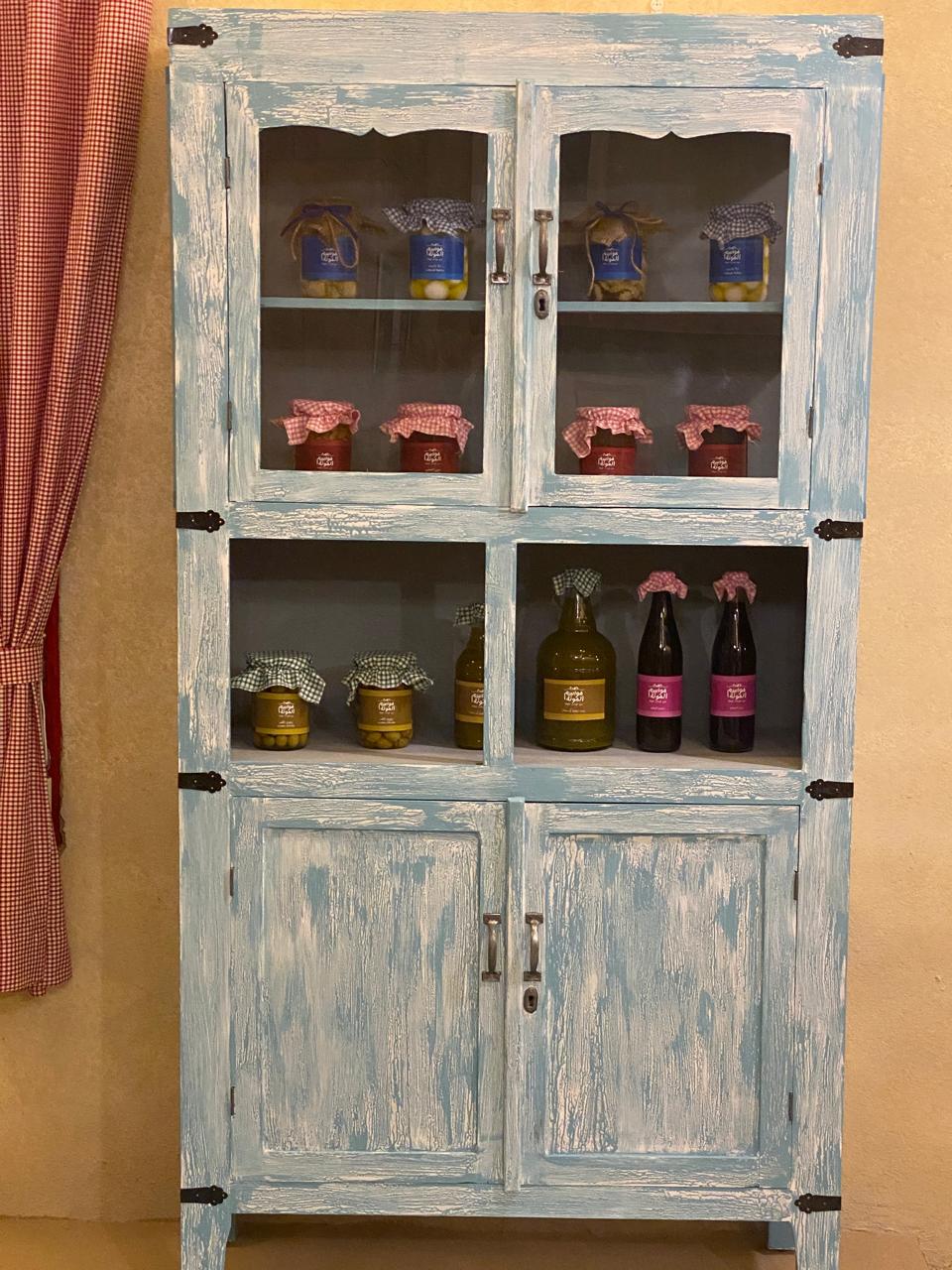
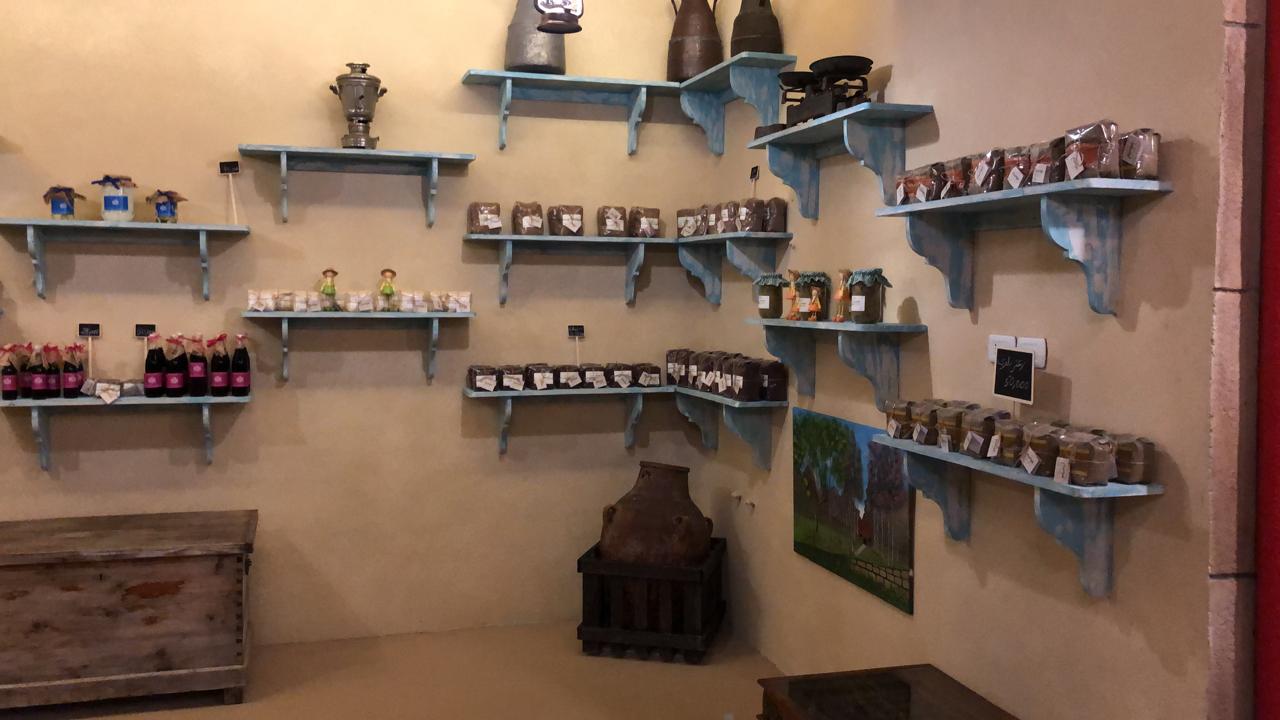
He also preserved the “tobacco workshop” beneath the house, transforming it into an exhibition for traditional southern preserves by collecting products from local farmers and seeking to market them through his association across the Arabian Gulf and around the world, driven by his conviction that “the land is preserved through agriculture, and the tobacco plant has always been a southern symbol of resilience. Remaining on our ancestral land can only be achieved by supporting farmers and promoting their produce.”
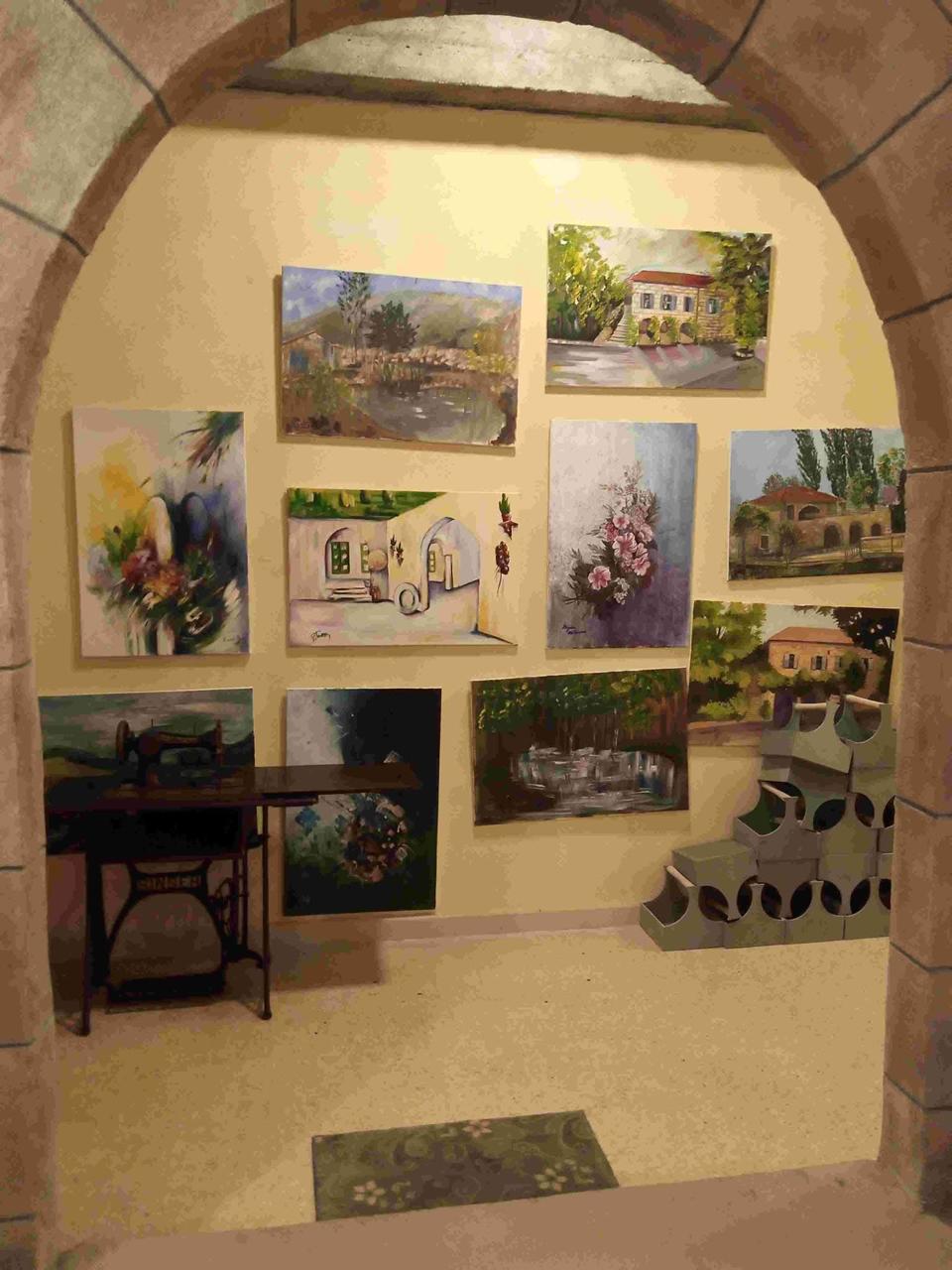
Mazraani believes that the house acquired “a double heritage value, not only because of its old architectural style, but also because it became a steadfast social, political, and cultural gathering place in the memory of the people of Kfar Roummane and Nabatieh, remaining vibrant even after the Al-Zein family withdrew from parliamentary life following the death of MP Abdul Latif Al-Zein.”
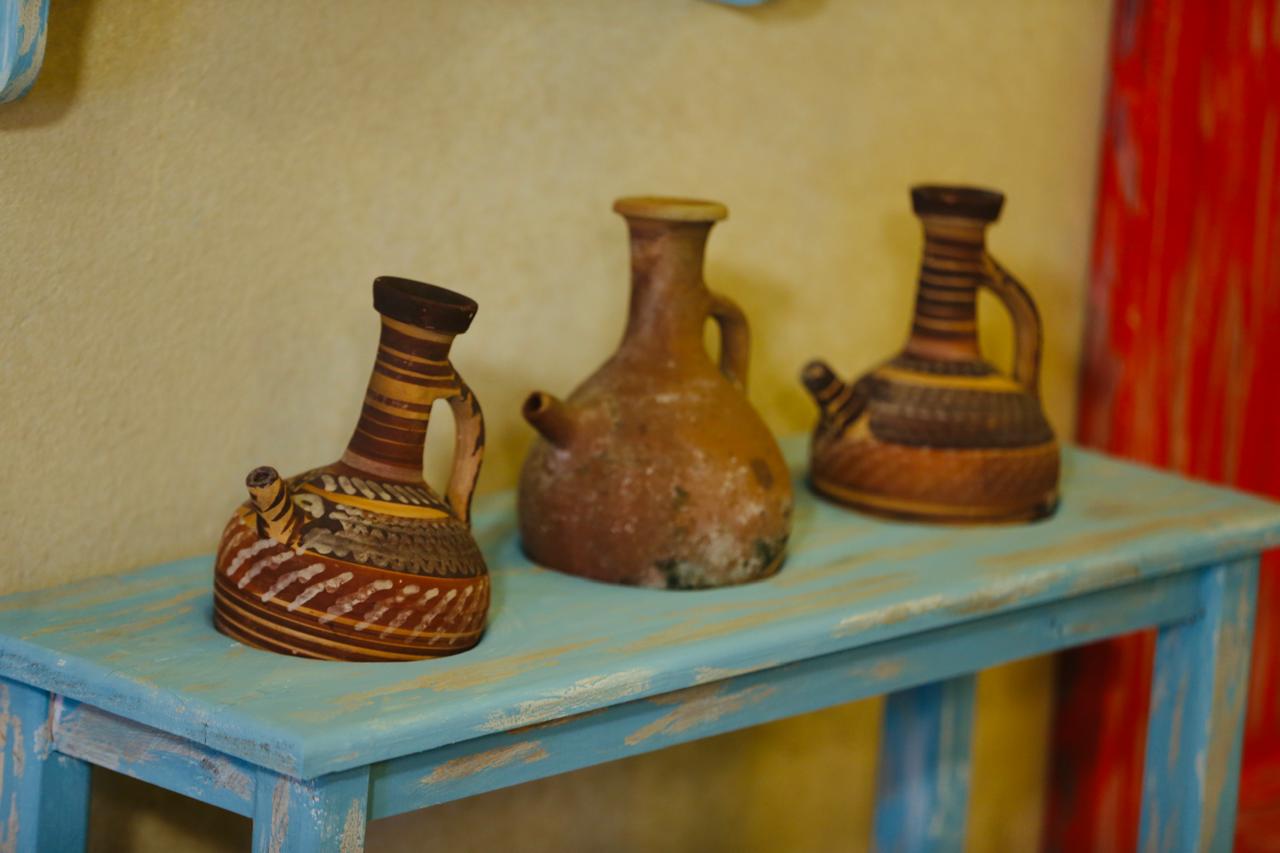
Thus, Saad Al-Zein and his heritage house came to embody the story of southerners who loved life and remained deeply attached to their memory, villages, and ancestral history. Yet the language of war proved harsher than their will, imposing death, destruction, and the loss of both livelihoods and memory alike.
So how will Saad, along with thousands of southerners, return to their villages while carrying the pain of lost loved ones and a shattered heritage memory that was never merely stone and walls, but an entire way of life?