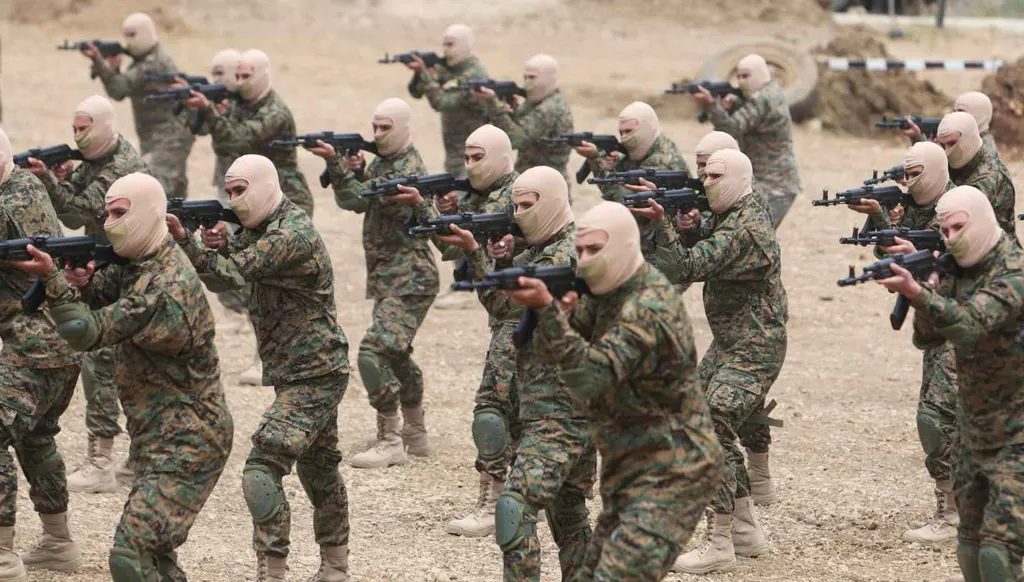
In recent days, Palestinian sources have revealed the names of young Palestinians who left the main camps to join the intense fighting in southern Lebanon, where they were killed while supporting Hezbollah fighters along the southern border.
According to these sources, the number has reached six, the latest being Hassan Abu Nasser from the Beddawi camp in the north and Mohammad Al-Badiawi from Burj Al-Shamali camp near Tyre. A third young man was from Ain al-Hilweh camp south of Sidon, in addition to two from Shatila camp on the outskirts of the capital, who were buried there as camp residents, along with another youth from El-Buss camp adjacent to Tyre.
Notably, none of the Palestinian factions close to Hezbollah eulogized any of these six, unlike the practice during the wars of 2023 and 2024, when both movements mourned about 70 members who were killed in battles or assassinated by drones, while the Popular Front for the Liberation of Palestine mourned six cadres, most of whom were killed in an Israeli raid targeting their residences near the Arab University in the Tariq el-Jdideh area.
These recent developments, according to experts familiar with the implicit relationship between Hezbollah and allied Palestinian factions, reflects two things:
First, the Palestinian “jihadist” factions have found it in their interest not to participate alongside the party with individuals in the field, unlike the previous war when participation was official and manifested through military statements, eulogies, and funeral ceremonies, within a new approach aimed at avoiding official Lebanese pressure targeting the Jihad and Hamas movements with suspicions of refusing to comply with official measures issued by the relevant authorities, explicitly demanding they hand over their weapons, just as the larger factions like Fatah did in the context of enforcing a decision mandating “state monopoly over arms.”
It is no secret that the Jihad and Hamas movements have been absent from the public spotlight in Lebanon for some time, as they sought to avoid any confrontation with Lebanese authorities, especially after Hamas announced that it had relocated all of its senior leadership figures out of Lebanon.
Secondly, Hezbollah has adopted in the current confrontations a new approach, whereby it does not appear to want a partner in the field, unlike the previous war when it was keen to have supporters in its battle to “Support Gaza.” It is known that the Fajr Forces, the armed wing of the Islamic Group, lost at least sixty members in those confrontations, while allied factions lost more than a hundred members who were killed in battles or by drones.
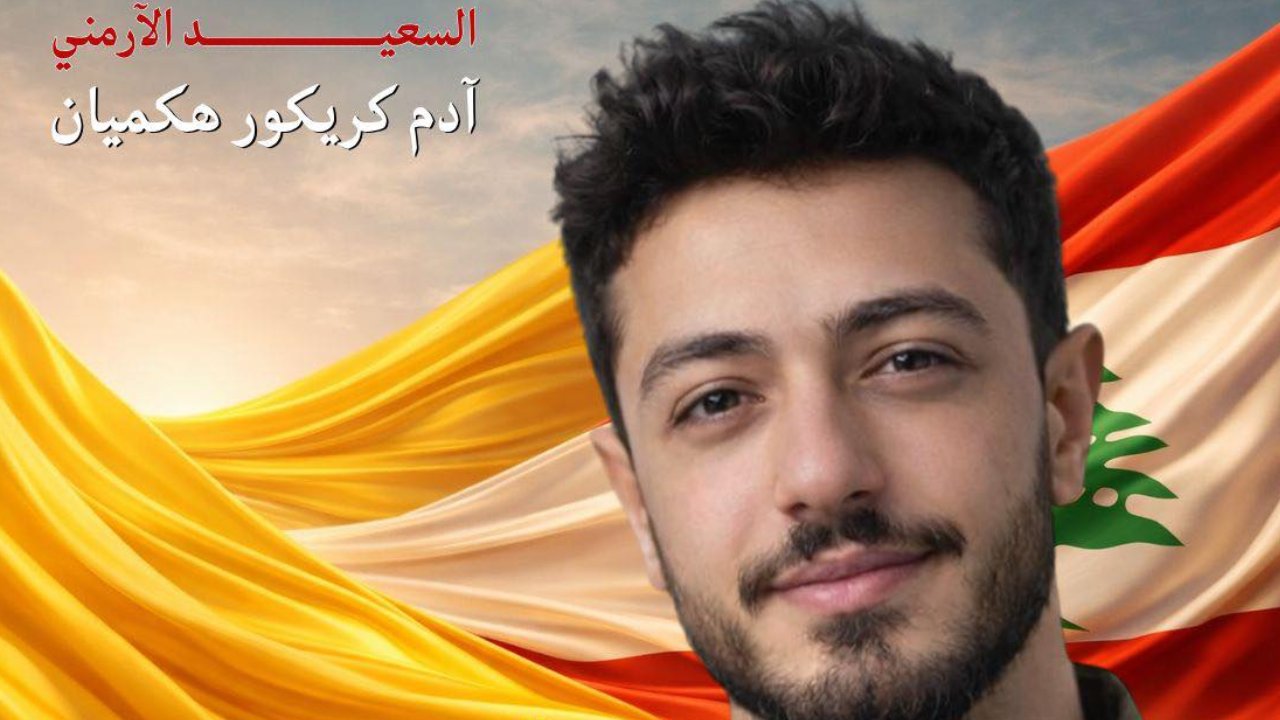
Nevertheless, Hezbollah intentionally leaked information in recent weeks about the support of Shiite, non-Shiite, and non-Lebanese groups and individuals in the current confrontations. Social media accounts affiliated with the party recently mentioned the deaths of fighters of Armenian origin, without stating whether they had converted due to living in the southern suburbs or had remained in their original state.
At the same time, these accounts reported the deaths of more than 12 young Sunnis, one from the Akkar area while the rest were from Arqoub villages. Six of them were killed simultaneously in an Israeli raid that targeted them while they were present in Sidon, and they originally belonged to the “Resistance Brigades,” a formation supporting Hezbollah.
Furthermore, the party eulogized through these accounts a Bahraini cleric exiled from his country who was killed on the field, alongside an Iranian cleric residing in Lebanon, in addition to three young Saudis who were said to have been killed while participating in the ongoing confrontations since March 2.
The “Independent - Iraqi” website published a lengthy report based on information from Beirut and Baghdad, estimating the number of Iraqi youth volunteers participating in the confrontations to exceed one hundred and fifty, clarifying that more than ten have been killed in those confrontations.
It is evident that Hezbollah is keen to show that it is not alone in the battle and that there are those supporting it, even if symbolically, in order to counter its opponents’ narrative that it is isolated and that others have abandoned its path.
At the same time, it insists on suggesting that it is leading the battle with its own means alone, contrary to what its enemies claim, and it has not issued any call for help, rejecting their narrative of it being an “Iranian arm” or an advanced outpost for Tehran.
Disclaimer: The opinions expressed by the writers are their own and do not necessarily represent the views of Annahar.





 Messenger
 Whatsapp
 Threads
 Email
Email
 Print
Print
 X
X
 Facebook