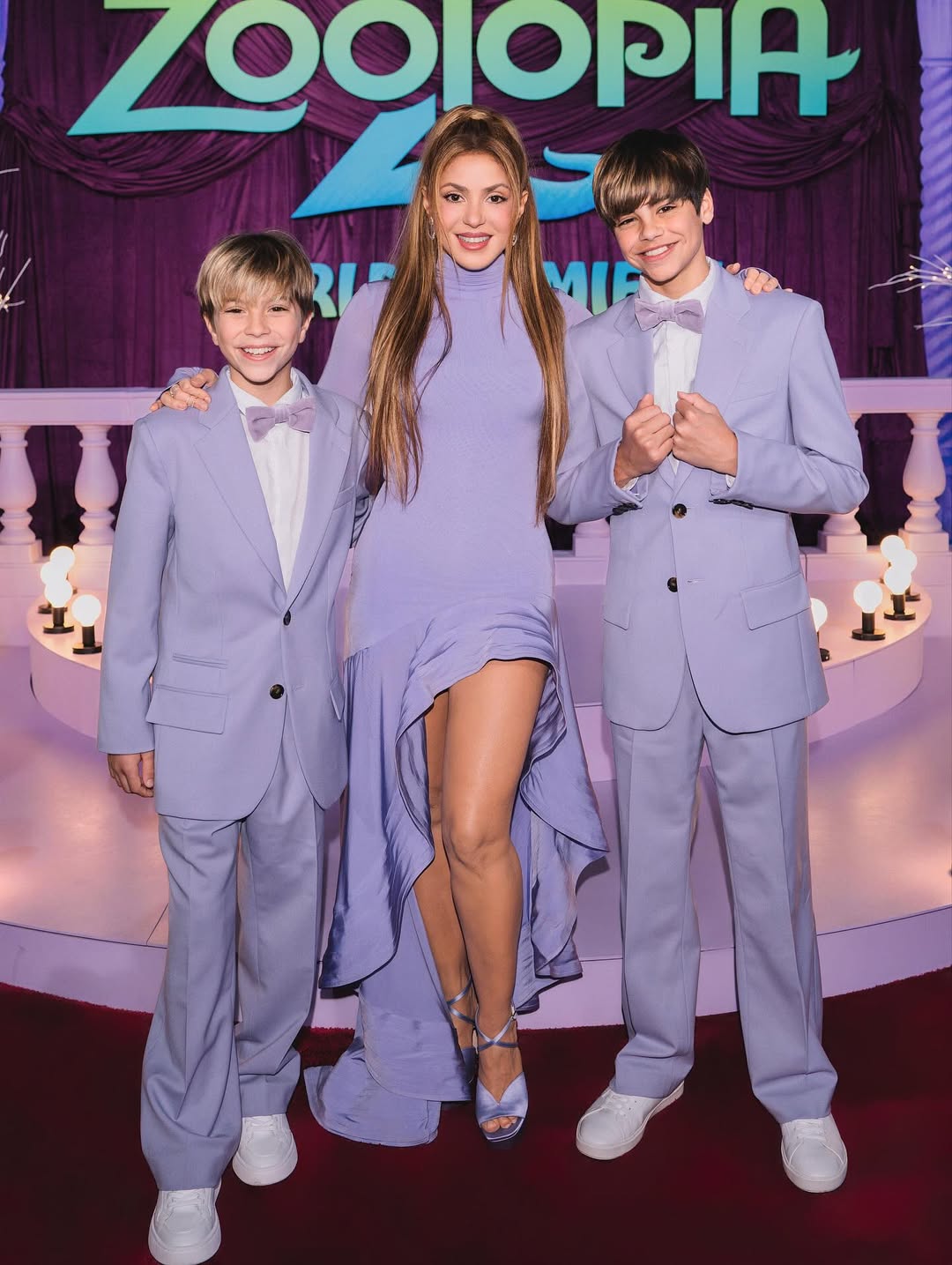
Beyond Waka Waka: Shakira’s journey of reinvention
From global romance to public heartbreak, her World Cup return reflects a deeper story of resilience, identity, and artistic rebirth.



 Messenger
 Whatsapp
 Threads
 Email
Email
 Print
Print
 X
X
 Facebook
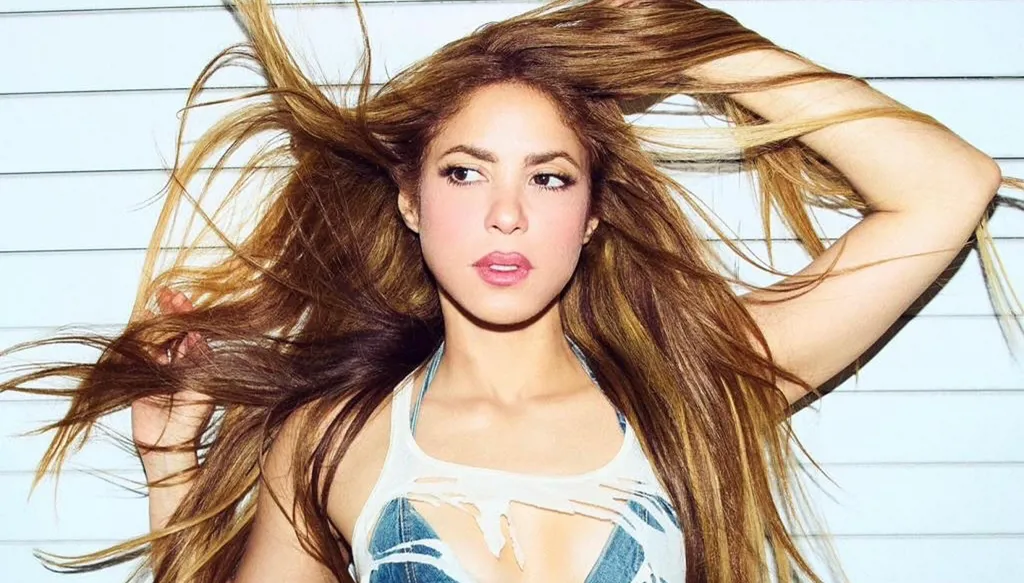


In 2010, Shakira was singing about love, victory, and collective celebration from the heart of South Africa, without knowing that the very same song would lead her into a relationship that would become one of the most famous love stories in the world of celebrities and sports. It was there that she met Gerard Piqué during the filming of the Waka Waka music video, marking the beginning of a relationship that lasted more than a decade, during which they had two children, and it turned into an almost ideal image of a global family bringing together music and football.
But years later, football itself would become a witness to the collapse of that image.
Waka Waka… the song that created an entire destiny
When Shakira released Waka Waka, the song was not just an official World Cup anthem, but a real turning point in her global career. The song, which blended African and Latin rhythms, turned her into a more cross cultural global star than ever before, and cemented her image as one of the most important voices associated with football worldwide.
But behind the success of the song, a major personal story was forming. Piqué himself later admitted that their relationship began during that period, and even their shared birthday on February 2 became a romantic detail repeatedly mentioned in interviews and celebrations.
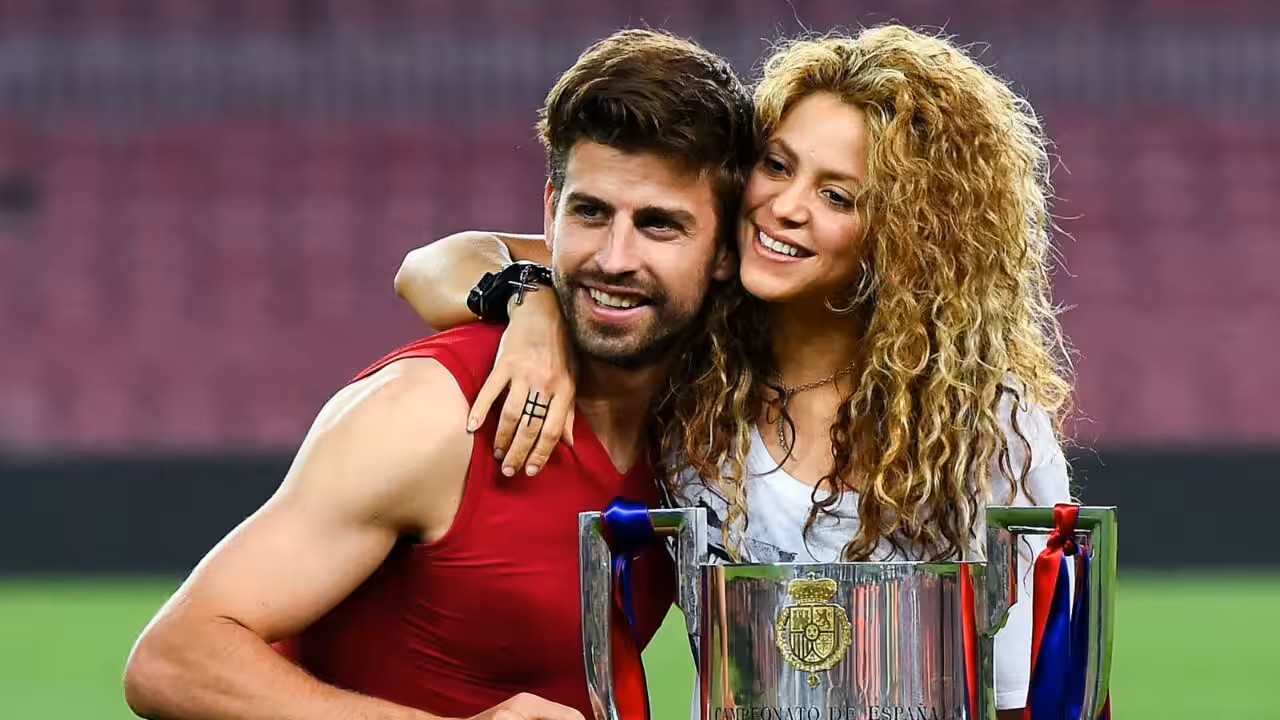
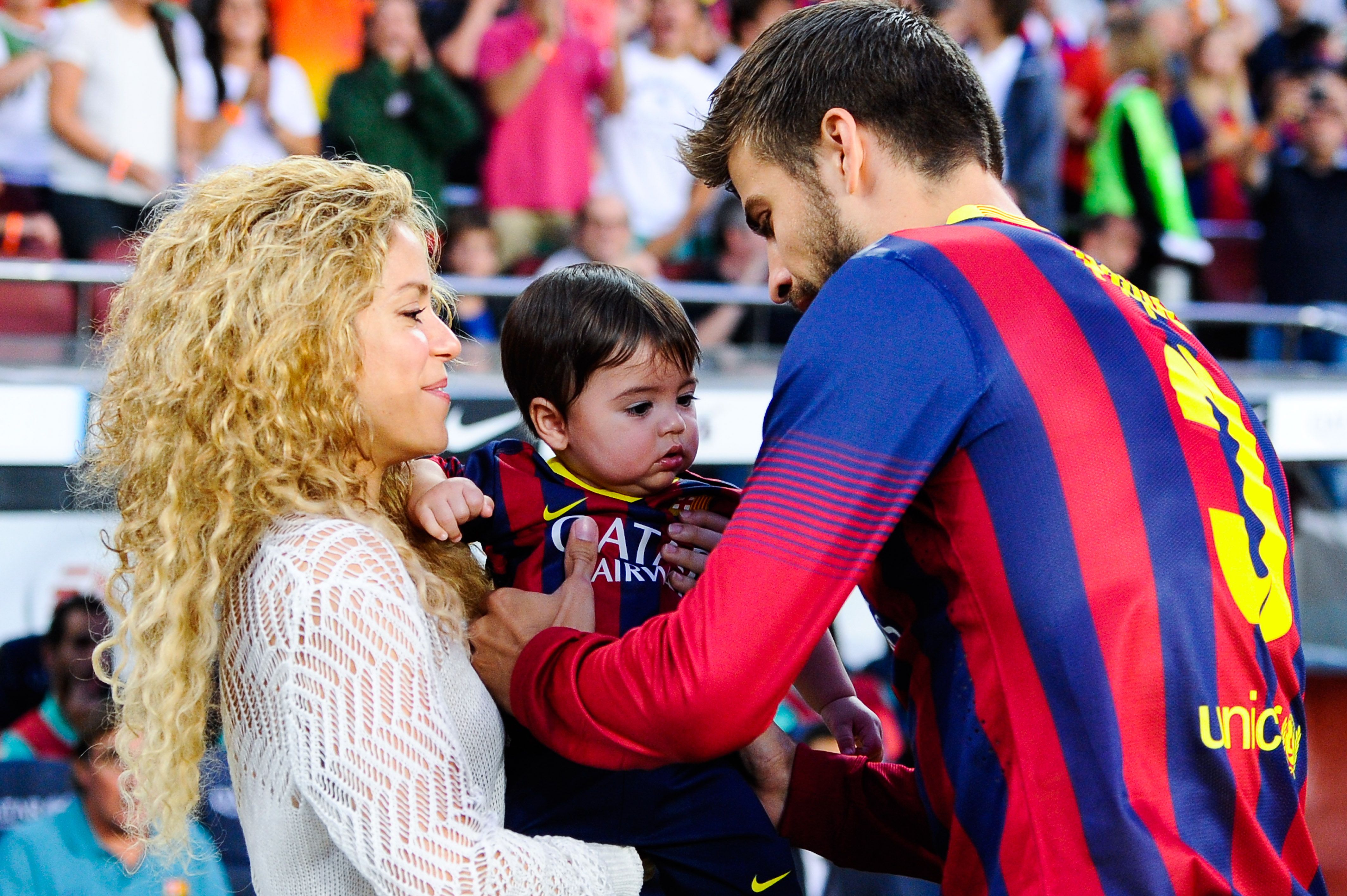
For many years, everything seemed perfect. Shakira moved to Barcelona and gradually stepped away from her previous life in Latin America to build a new world around her family. Even her artistic choices changed, becoming more calm and less impulsive compared to her earlier rebellious image.
But behind the scenes, Shakira was going through difficult transformations, some professional and others personal.
A woman who paid the price of love… in long silence
During her years with Piqué, Shakira faced successive crises, from tax issues in Spain to enormous media pressure, as well as repeated rumors about her relationship with the Spanish footballer.
Despite all of this, she maintained the image of a composed and strong woman. She did not engage in public confrontations, nor did she turn her personal life into material for attacks. Instead, she continued to project the image of the perfect family.
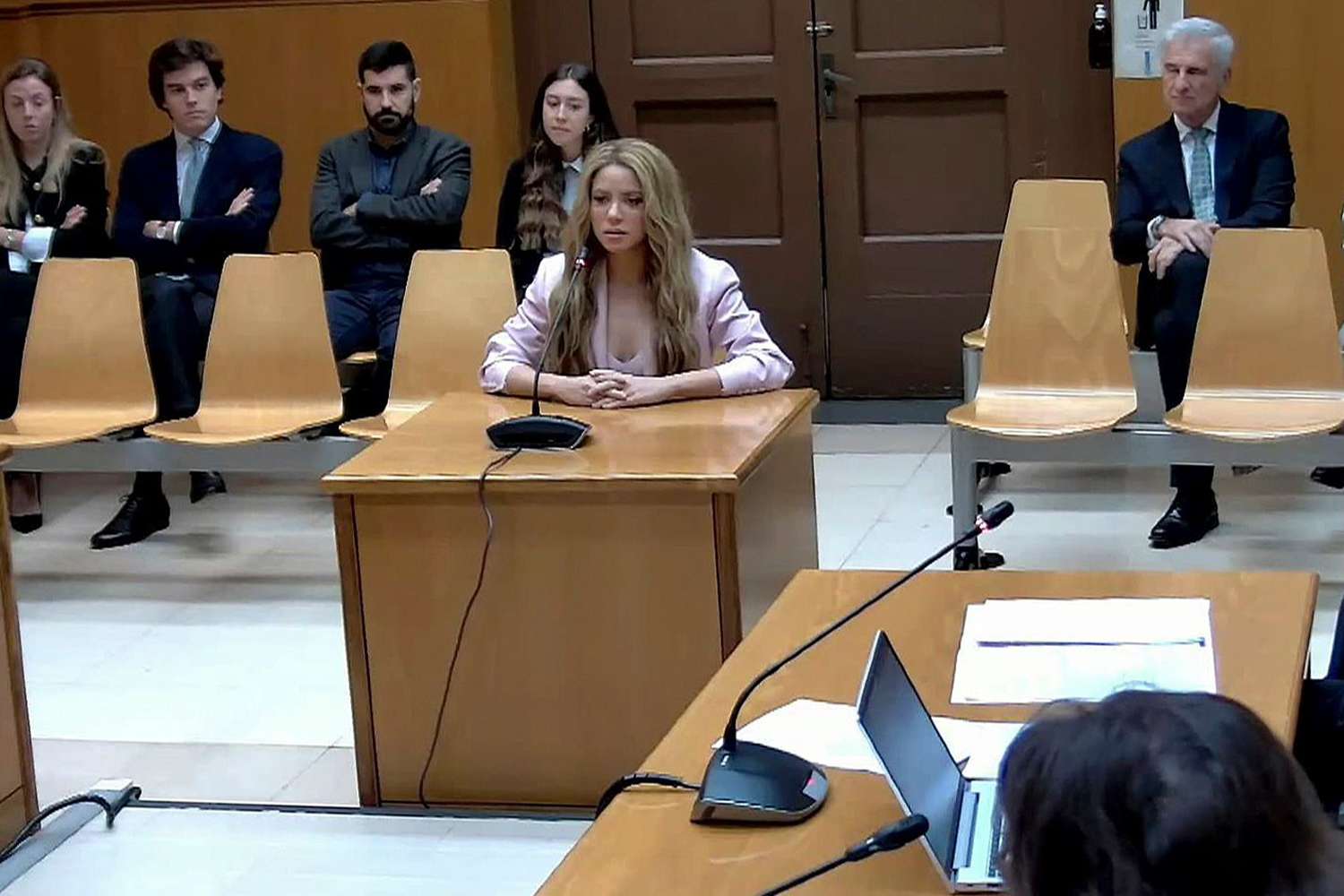
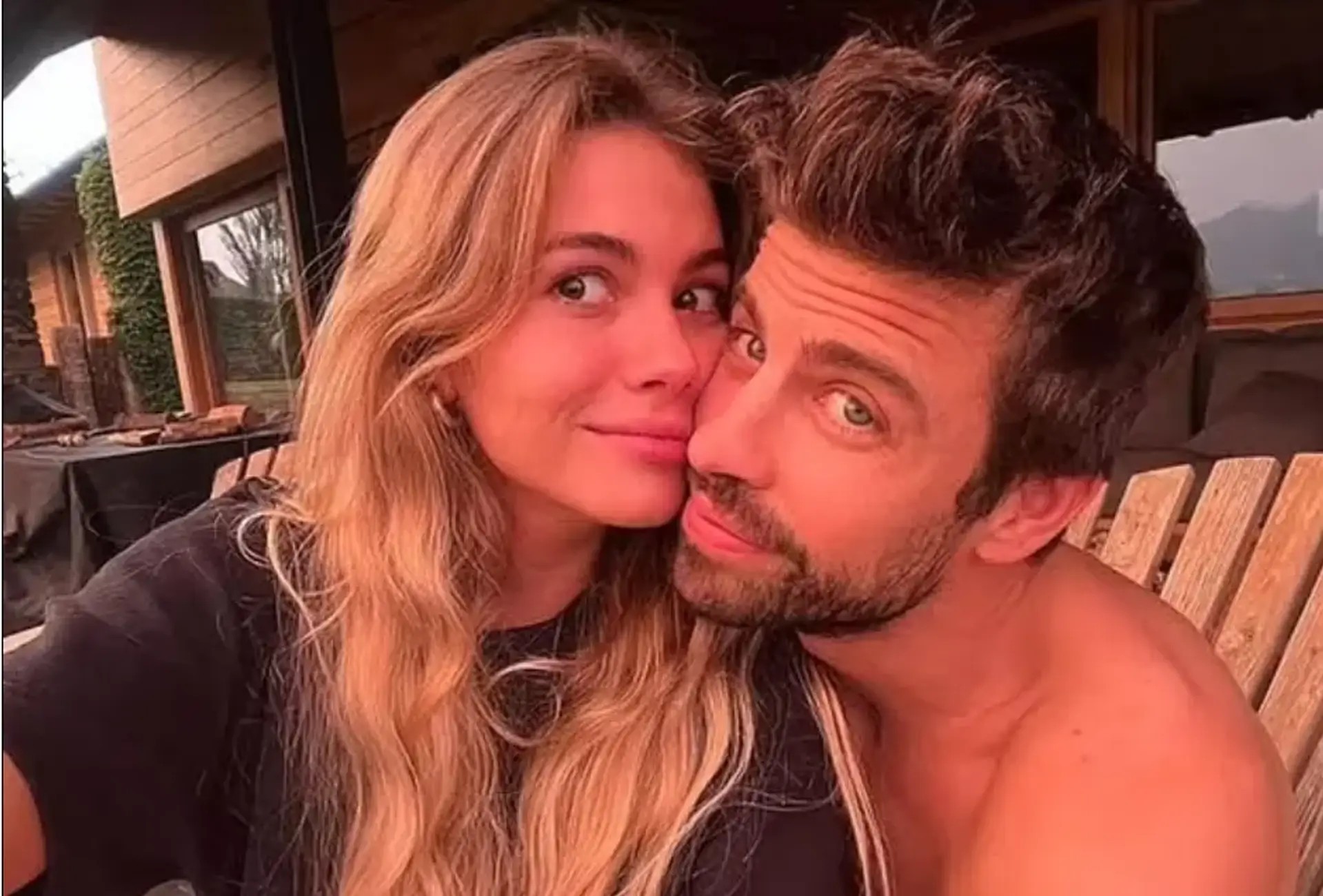
But the real explosion came in 2022, when she announced her separation from Piqué after more than 11 years, amid widespread reports of his infidelity with the young Clara Chía Martí.
The shock was not only the breakup itself, but also the way the story turned into a global event unfolding openly on social media, where details of her daily life became material for discussion, from her home in Barcelona to her relationship with Piqué’s mother, and even the strange stories linked to a jar of jam, which was said to have been how she discovered another woman’s presence in the house.
From heartbreak to artistic revenge
Here, Shakira began one of the boldest artistic transformations of her life.
Instead of silence, she used music as a personal and emotional weapon. She first released Monotonía, a song in which she spoke about emotional coldness and the gradual fading of a relationship, before exploding globally with Shakira: Bzrp Music Sessions, Vol. 53.
In the song, Shakira clearly alluded to Piqué and his new relationship, using phrases that became global slogans such as “you traded a Ferrari for a Twingo” and “you traded a Rolex for a Casio.”
More importantly, the song redefined Shakira’s image. She was no longer the silent wounded woman, but a woman who turned her vulnerability into a powerful wave of public strength.
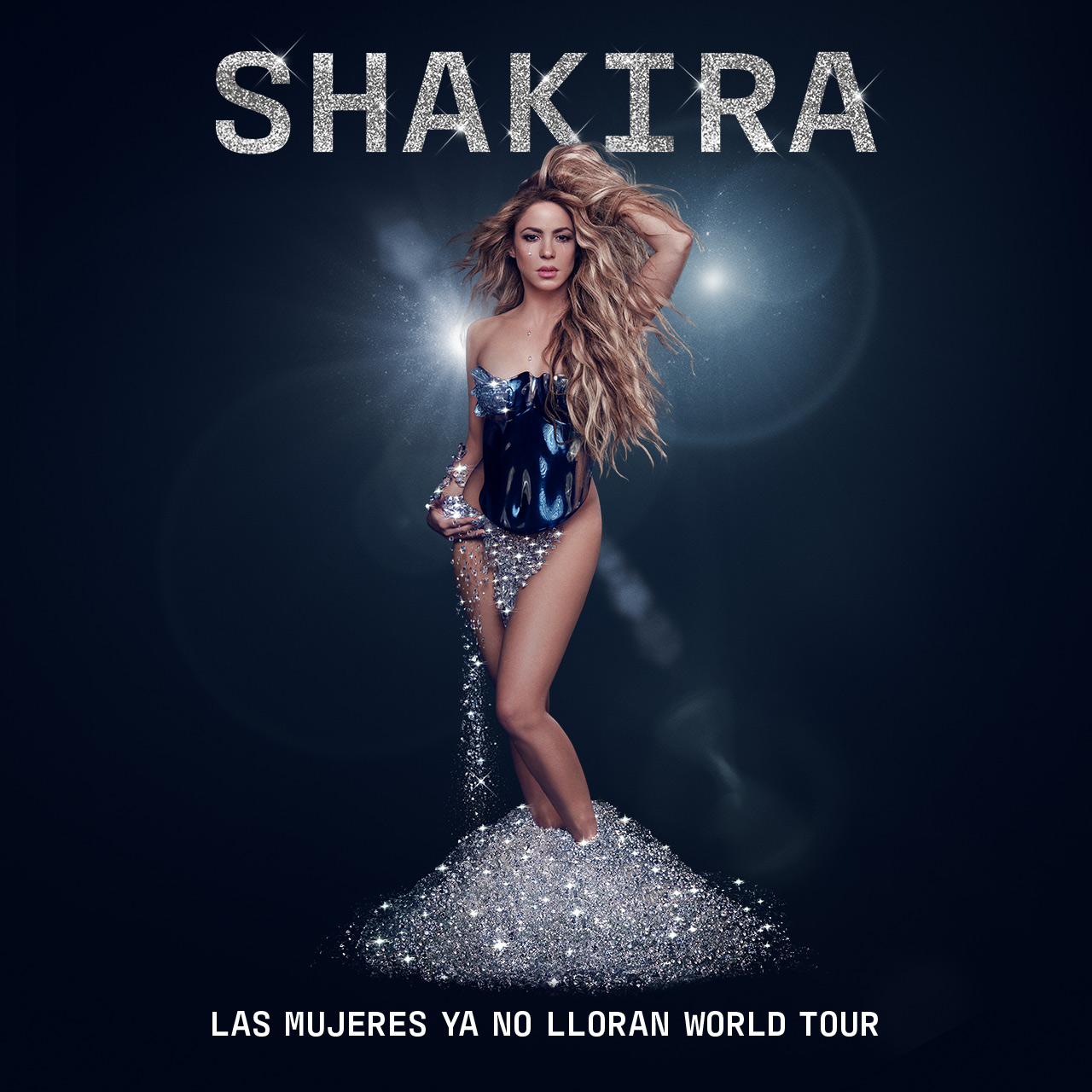
The song achieved record breaking numbers on YouTube and Spotify and turned into a global feminist and popular phenomenon, while her album Las Mujeres Ya No Lloran achieved massive success, to the point where it seemed as if Shakira was rebuilding herself in front of the public step by step.
Shakira no longer sings for love… but for survival
For this very reason, her return to the World Cup in 2026 feels completely different from 2010. In the past, she was singing from the heart of a love story that had just begun. Today, she is singing after surviving the collapse of that very story.
Even the lyrics of Dai Dai, especially the line “what broke you once made you strong,” were not received by the audience as a simple motivational phrase, but rather as an indirect admission that the woman standing today in the legendary Maracanã Stadium is not the same Shakira who once sang Waka Waka.
This version is more resilient, and more aware of the power of her image and influence.
The Copacabana concert… the announcement of a new beginning
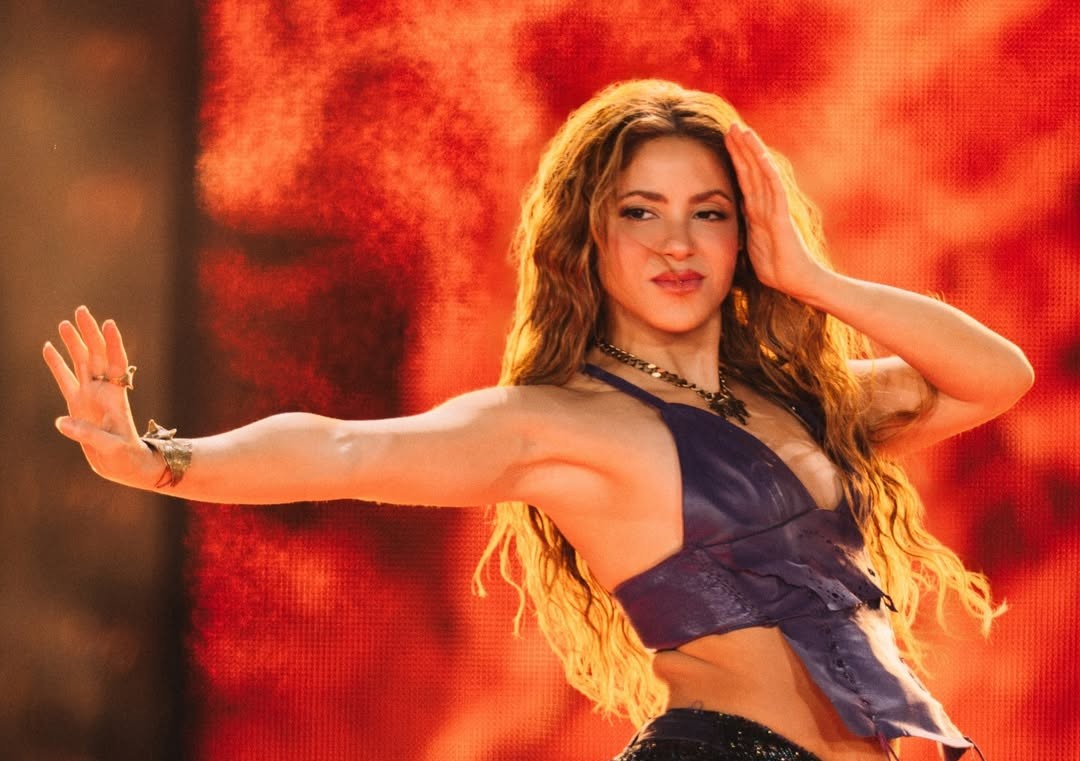
Just weeks before the growing buzz around the World Cup song, Shakira stood on Copacabana Beach in front of nearly two million people, in one of the largest free concerts in recent years.
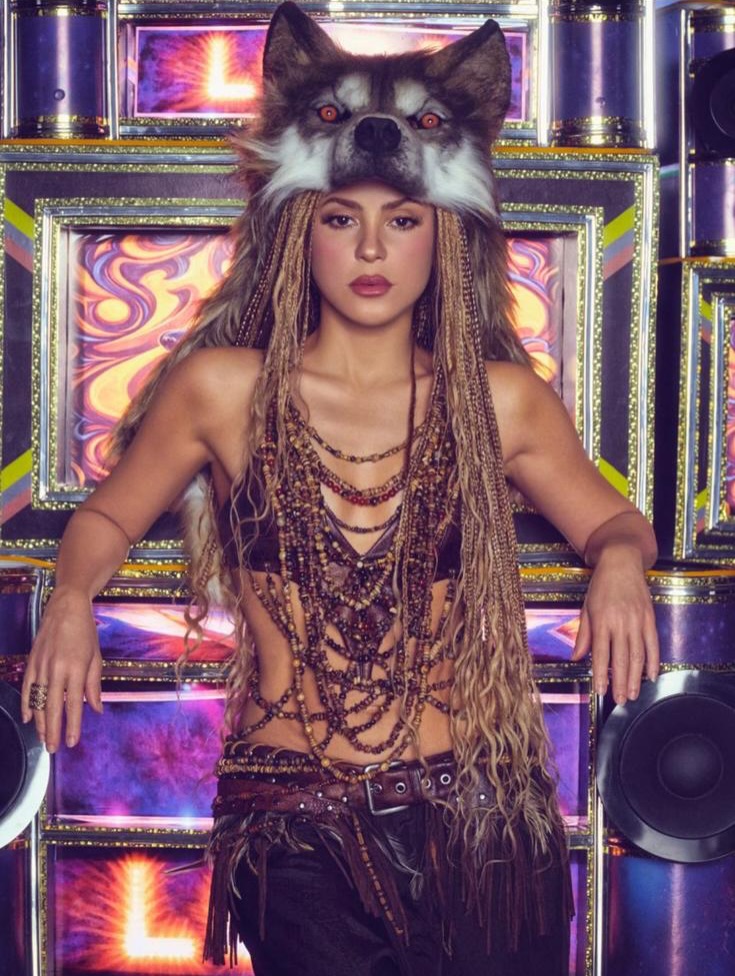
Her shimmering looks by Etro and Swarovski, the oriental dances, and the return to Waka Waka all felt like a reinterpretation of her entire journey, from the young Latin girl to the global star who went through betrayal, heartbreak, tax scandals, and media pressure… and then emerged stronger.
Even her latest performance of Waka Waka in Brazil carried a different meaning this time. The song was no longer linked to the beginning of a love story, but to a woman who survived its end.
Why does Shakira’s story feel deeper than just celebrity drama?
Because Shakira did not turn her pain into scandal alone, but into a complete artistic narrative. She did what great artists do: she took her most vulnerable moments and transformed them into a global artistic project.
From a Colombian girl of Lebanese descent singing in Spanish, to a star associated with the world’s biggest sporting event, to a woman rewriting her story after betrayal, Shakira’s journey today feels more like a long narrative about strength, identity, loss, and rebuilding.