

Iraq’s political landscape: A complex balance of sectarian power, armed influence, and shifting alliances
Since 2003, Iraq’s politics has been shaped by competing Shiite, Sunni, and Kurdish blocs, where traditional parties, armed wings, and emerging civil movements continue to struggle over influence within a fragile and evolving system.



 Messenger
 Whatsapp
 Threads
 Email
Email
 Print
Print
 X
X
 Facebook
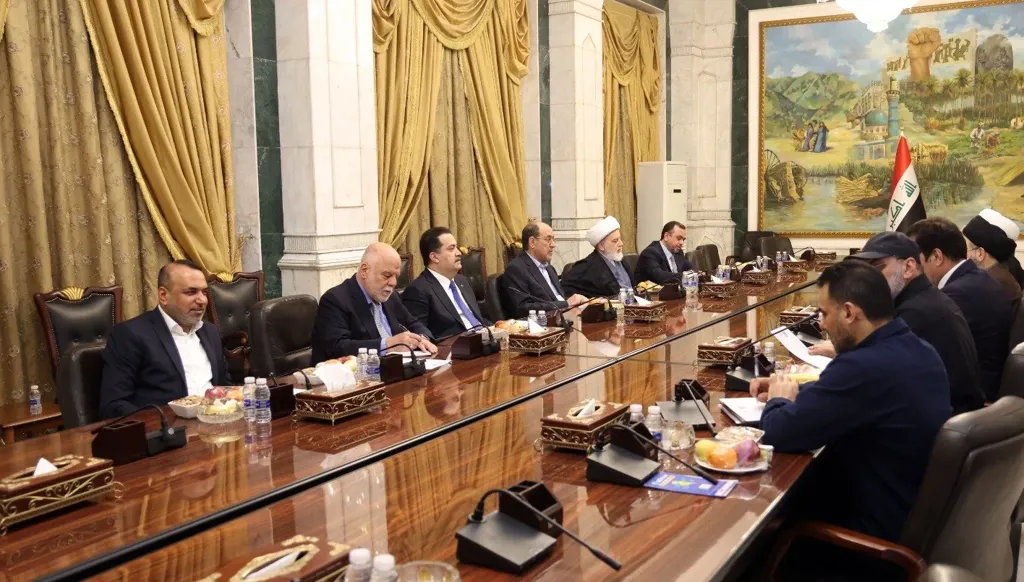


The Iraqi political arena has witnessed, since 2003, the formation of a complex network of centers of influence and political forces distributed along sectarian, ethnic, and partisan lines, within a political system based on balances between the country’s main components.
Despite the transformations Iraq has undergone in recent years, including popular protests, the rise of civil movements, and divisions within the traditional political establishment, the scene is still dominated by blocs and parties that hold extensive political, security, and economic influence.
In Iraq, three main component-based blocs stand out: Shiite forces, Sunni forces, and Kurdish forces, in addition to emerging forces attempting to establish a presence through reformist or civil discourse. The level of influence of these forces varies depending on the size of their parliamentary representation, their regional and international relations, their control over state institutions, and in some cases their possession of proxy armed groups or broad economic and administrative influence.
The most prominent Shiite forces are united under the governing Coordination Framework, which includes:
The State of Law Coalition led by Nouri al Maliki