

“Washwasha”: The UAE Pavilion at Venice Biennale 2026 explores identity through silence and subtle signals
Bringing together six artists, the pavilion rejects fixed narratives in favor of whispers, gestures, and shared moments that reveal identity as fluid, interconnected, and constantly in motion.



 Messenger
 Whatsapp
 Threads
 Email
Email
 Print
Print
 X
X
 Facebook
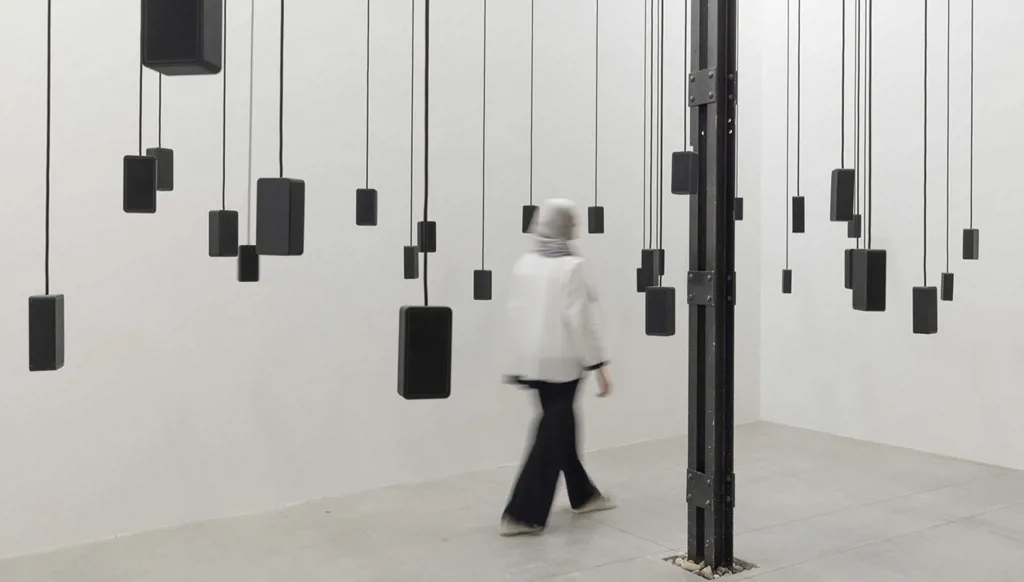


The United Arab Emirates Pavilion at the 2026 Venice Biennale stands out through the exhibition “Washwasha" (“whispering” in Arabic), which rejects grand statements and direct rhetoric, instead favoring quieter forms of communication.
The pavilion brings together six artists from diverse artistic practices, proposing an exploration of sound, presence, memory, and subtle human connections, while also reflecting the complex reality of artistic life in the UAE today.
What is in the UAE Pavilion?
Rather than presenting a fixed or singular image of Emirati identity, the pavilion embraces the complexity of the country’s cultural landscape. Assistant curator Tala Nassar explains to Annahar that artists in the UAE are often shaped by “migration, movement, and arrival,” noting that what unites them is not a “shared origin, but a shared moment of presence.”
In this sense, the pavilion becomes less like a traditional national statement and more like a portrayal of overlapping experiences and times coexisting within the UAE’s evolving cultural system.
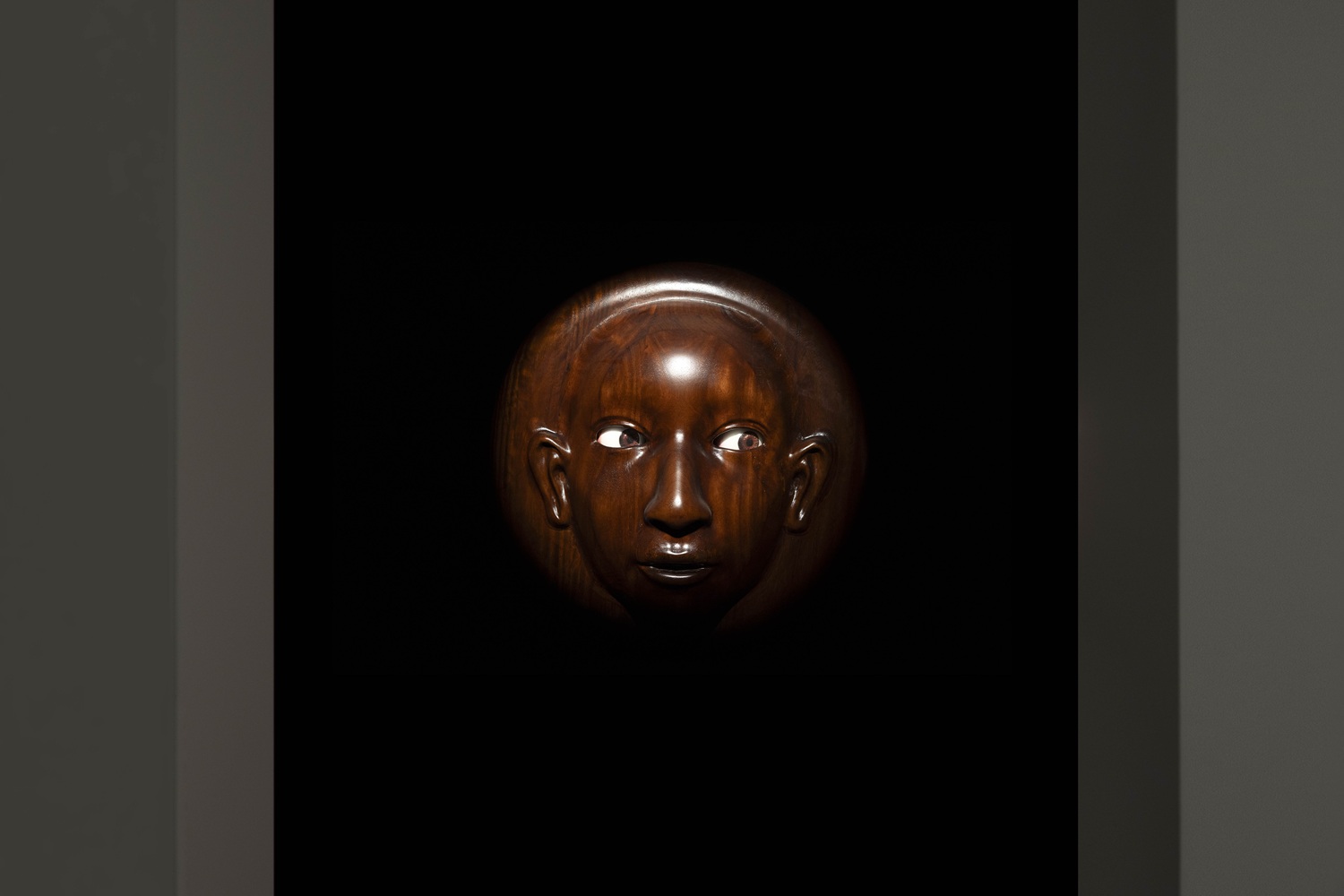
This approach reflects a broader shift in contemporary Gulf art, where identity is increasingly understood as fluid, interconnected, and transnational. Rather than attempting to resolve tensions between the local and the global, “Washwasha” brings these tensions to the surface.
As Nassar notes, many contemporary artists working in the UAE engage in practices that “resist being contained within a single identity or a single geography.” In this sense, the pavilion presents the UAE as a living space for exchange and artistic interaction.
The conceptual core of the exhibition lies in the meaning of the word “Washwasha” itself. The term, which refers to whispers, murmurs, and barely perceptible signals, evokes forms of communication that exist on the margins of visibility and language.
According to Nassar, the exhibition prioritizes “what is felt or implied rather than what is fully and directly expressed,” allowing the artworks to communicate through atmosphere, sound, and intuitive gesture rather than clear, objective statements.
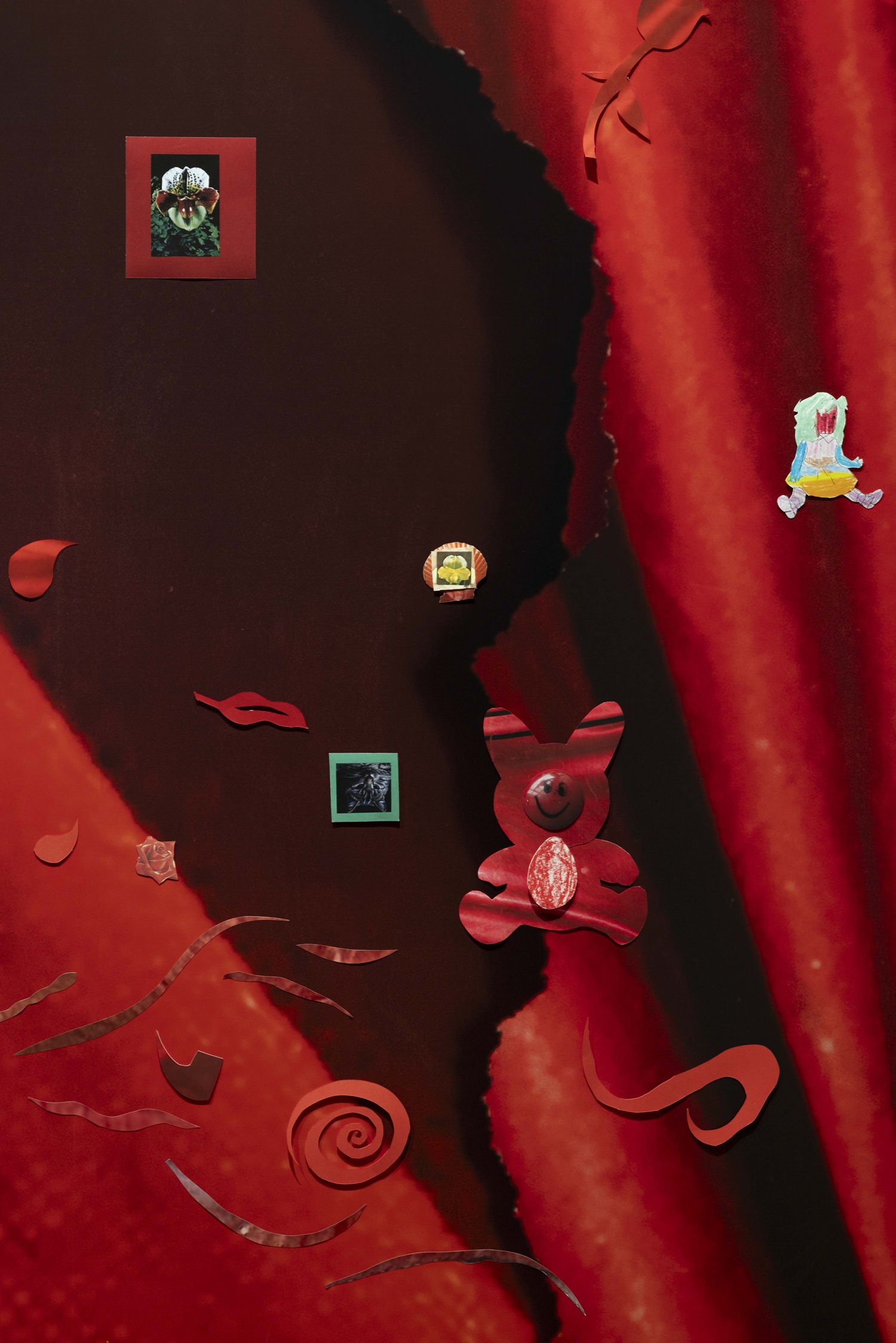
It is also important that the curatorial framework of the exhibition avoids imposing a rigid interpretive structure. Instead, the exhibition unfolds through what Nassar describes as a “accumulation of intuitive gestures,” where deeply personal responses gradually open up into collective questions about belonging and perception.
Beyond its presence in Venice, the pavilion ultimately seeks to leave visitors with a “heightened awareness of the act of listening,” encouraging reflection on how quiet and marginal signals continue to shape identity, memory, and human connections in an increasingly noisy world.