

Venice Biennale 2026: A global stage for contemporary art
The 61st edition brings together over 110 artists, 100 national participations, and a strong Arab presence across Venice’s historic exhibition spaces.



 Messenger
 Whatsapp
 Threads
 Email
Email
 Print
Print
 X
X
 Facebook
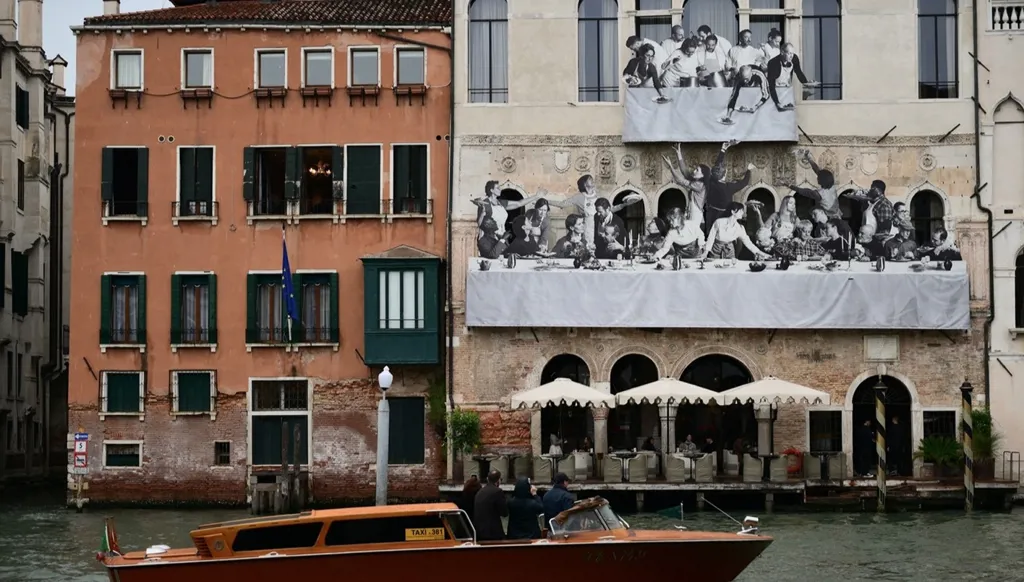


Since its establishment in 1895, the Venice Biennale has become a space where countries, artists, and cultural institutions test the shape of the contemporary world, its tensions, and its major questions. For this reason, the event is often described as the Olympic Games of contemporary art, as it brings together every two years hundreds of artists, curators, critics, museums, and cultural decision makers from all over the world.
What does the Venice Biennale offer this year?
The 2026 edition opens under the title The Minor Keys, a vision developed by the late Cameroonian Swiss curator Koyo Kouoh, one of the most influential figures in contemporary art worldwide.
This year, the exhibition moves away from loud statements and large visual spectacles, and instead focuses on quiet gestures, memory, sound, human fragility, and the subtle relationships between people.
Despite Kouoh’s sudden passing before the opening of the event, the Biennale administration decided to preserve and implement her curatorial vision in collaboration with her team and those close to her, giving this edition an additional emotional and cultural depth.
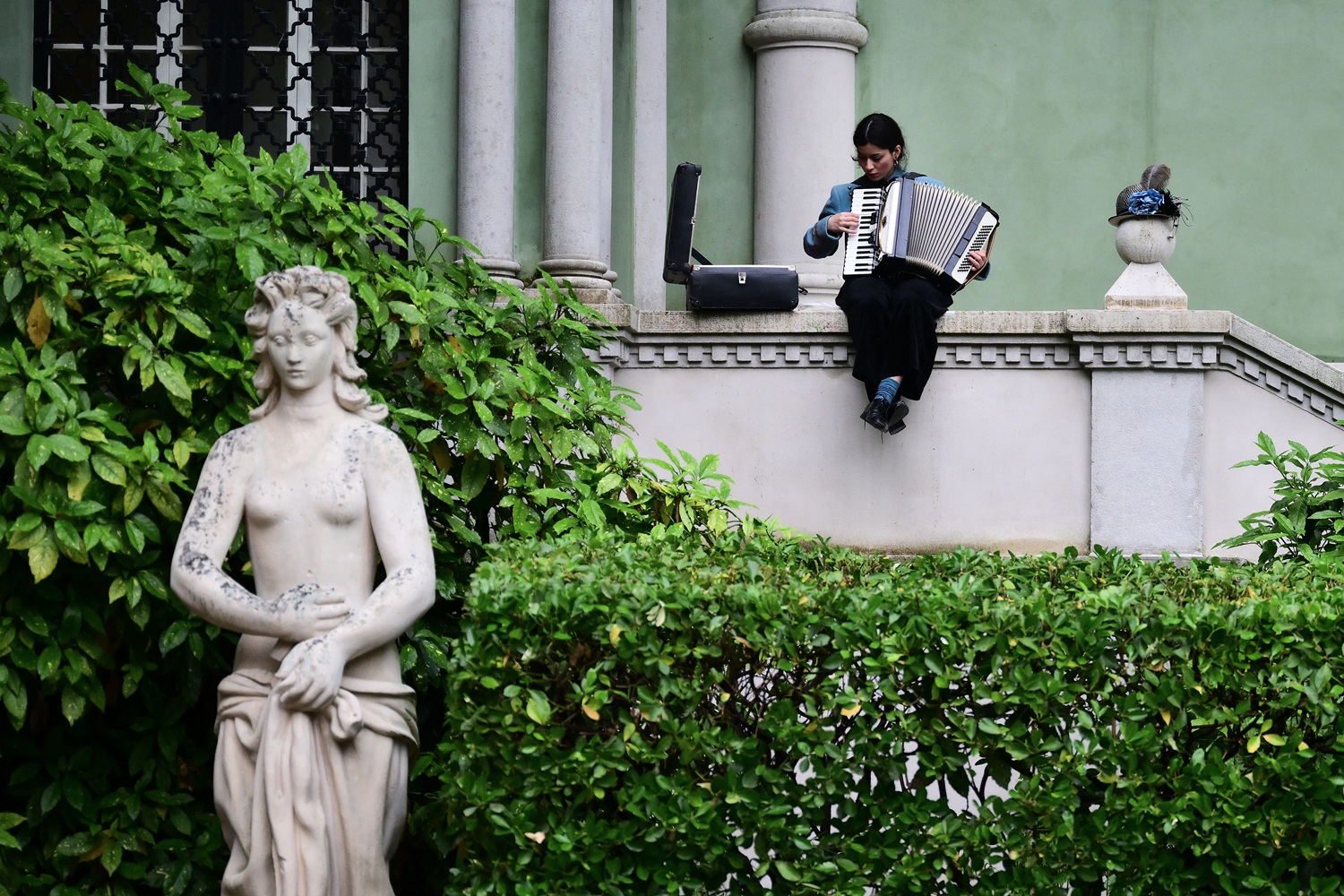
The 61st edition of the International Art Exhibition of the Venice Biennale will take place between 9 May and 22 November 2026. The exhibitions are spread across the two main historic venues of the Biennale, the Giardini della Biennale and the Arsenale di Venezia, in addition to dozens of palaces, churches, and other historic spaces distributed throughout the city of Venice.
This edition includes 100 national participations, 31 collateral events, and more than 110 artists and art collectives from around the world.
The system of national pavilions remains one of the most distinctive and influential features of the Biennale. Each country presents an exhibition that reflects its artistic and cultural vision, making the event a space where freedom of expression intersects with cultural diplomacy and political symbolism.
In the 2026 edition, several Arab countries have a strong presence, including Lebanon, the United Arab Emirates, Saudi Arabia, Qatar, Syria, and Morocco.