

Kayfoun: A town where ordinary moments ended in irreversible loss
Through shattered homes and unfinished journeys, families from Kayfoun retrace the final hours of loved ones who left to help others, only to become victims themselves, leaving behind stories of grief, absence, and enduring sorrow.




 Messenger
 Whatsapp
 Threads
 Email
Email
 Print
Print
 X
X
 Facebook


“This is my beautiful son”
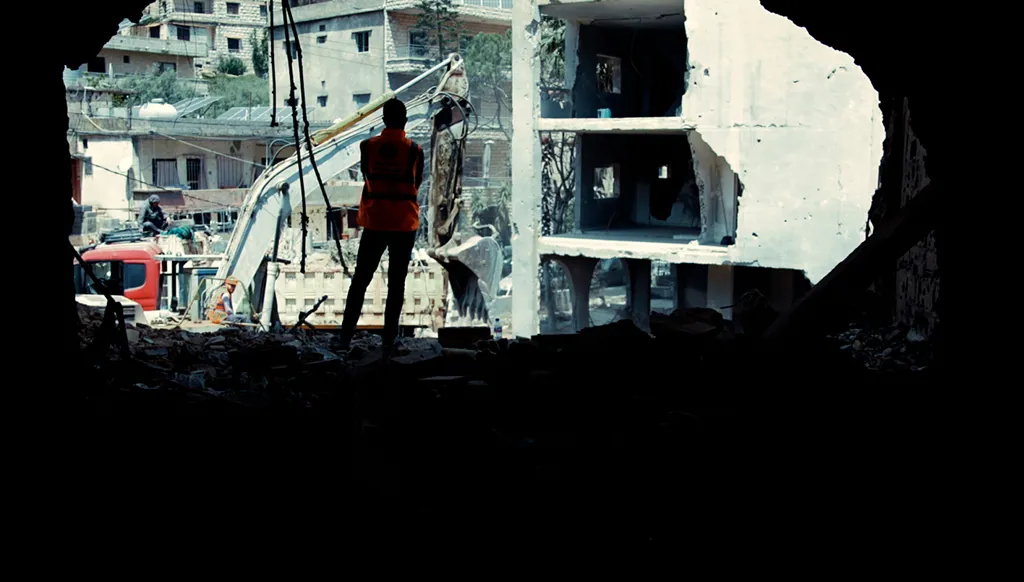
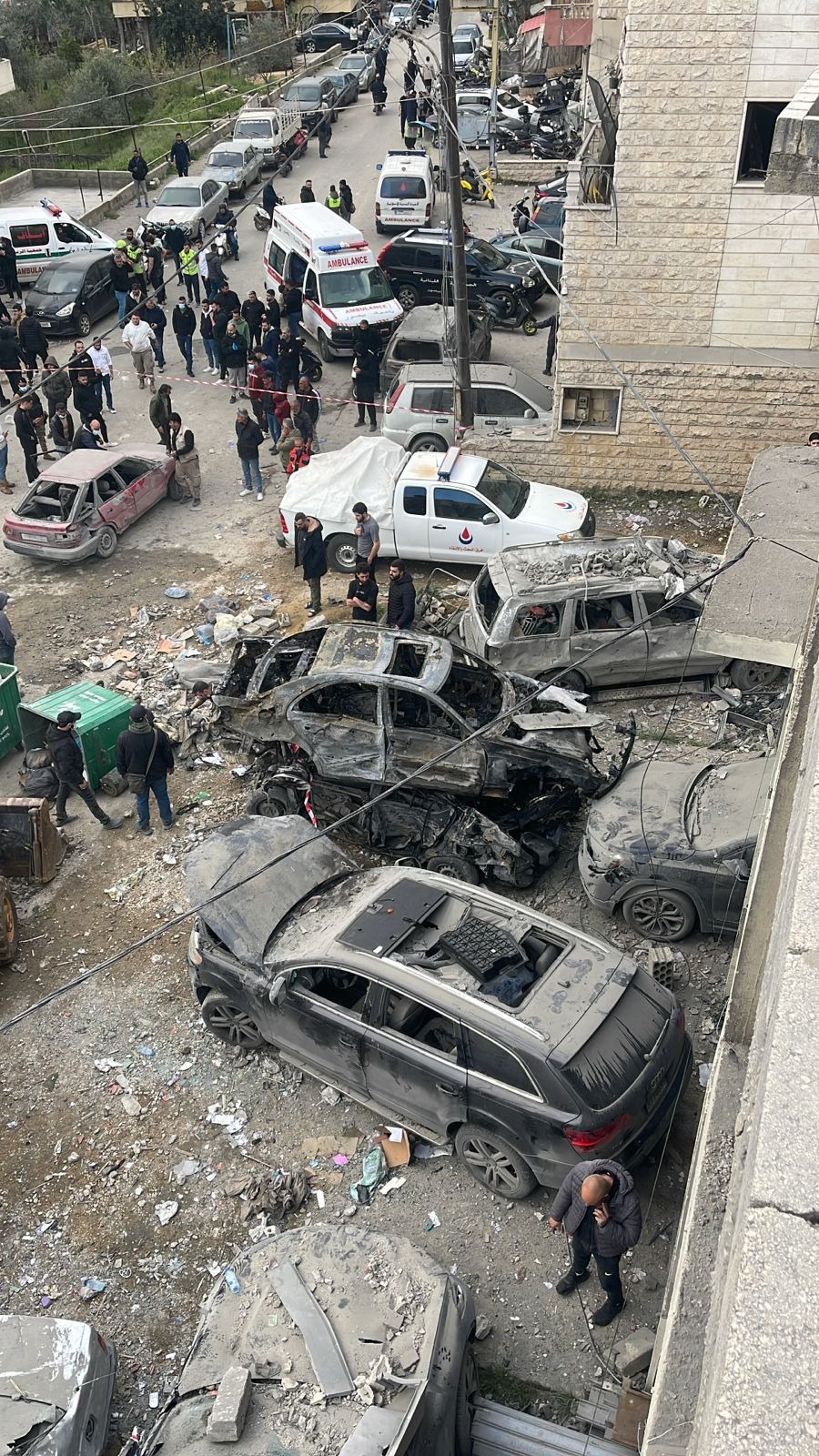
The mountain region witnessed four Israeli strikes on April 8, including the Kayfoun massacre, where a residential building was targeted. On its ground floor was the “Mimma Tuhibboon” (“From what you love”) pharmacy, which had been used to provide and distribute medicines and medical supplies to displaced people in the area. This pharmacy, which had opened during the 2024 war to serve as a refuge for those affected, has now closed forever, taking with it many stories that never had the chance to be told.
Hussein, a rescuer with the Civil Defense affiliated with the Islamic Health Organization, describes the scene as “a catastrophe,” adding that what happened that day “was a massacre across Lebanon, all within just ten minutes.” In broad daylight, at a time when movement was at its peak, specifically as people were gathering at the pharmacy, the Israeli strike occurred.
Hussein says: “People were gathered there, and there was huge pressure on the pharmacy, along with heavy traffic on the main road. After hearing about a strike in a nearby area, some people went outside to find out where the attack had happened, before the building and the pharmacy they had been heading to were bombed, leading to casualties including children.”
He does not hide the fact that such scenes have become part of his daily reality with the Civil Defense teams despite their brutality. But what remains most deeply engraved in his memory is an unforgettable human moment: “A father stood beside me waiting for his son, and when he saw him among the rubble, he told me: ‘This is my beautiful son.’” Hussein admits how difficult it is to forget those words and the father’s description of his child who was killed in the Kayfoun massacre.
That child was not the only body found in the targeted building. Hussein confirms that he also recovered the body of a small infant. He admits: “I kept telling myself that this infant paid for his life without any fault of his own. He was not even given the chance to begin his life.”
According to Hussein, these scenes remain permanently etched in his memory despite the pressure of the work.
During rescue operations, the focus is entirely on trying to save as many survivors as possible. As he explains: “While we are working, our concern is to rescue the largest number of people possible.” After the mission ends, the human details return with their full emotional weight.
Nada and Aida… two victims with no trace left
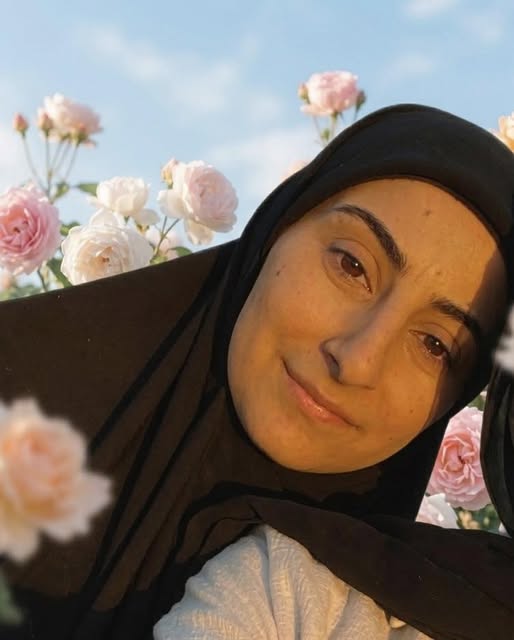
We move forward in search of answers, only to find that the stories become harsher the more they are heard. Painful details leave their mark here, and nothing can erase the blood of the victims who fell in mere moments. Among these stories is the tale of Rana Naji, a young mother who was unable to secure milk for her two daughters before she was killed in an Israeli airstrike.
She had been displaced from the town of Harouf in search of safety, only to find herself in an even harsher reality, where no place could truly be considered safe. She later returned to her home as a lifeless body, after having left it hoping to secure the basic needs of her two young daughters. She was found under the rubble of the pharmacy, while the two little girls remained waiting for their mother, who will never return.
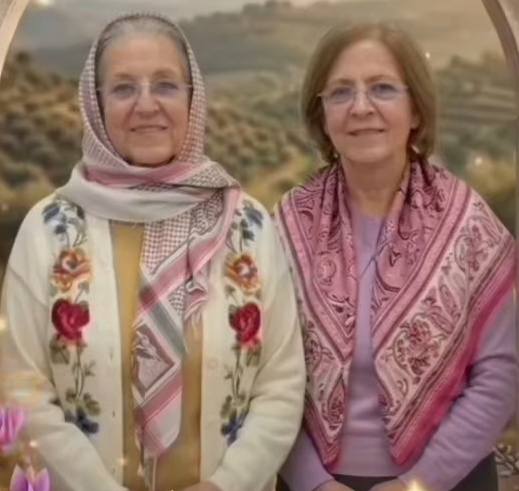
Similarly, sisters Nada and Aida Al Najjar from the town of Al Abadiyeh are still missing. They had arrived in Kayfoun to secure medication, without knowing that the trip would turn into their final moments. The two sisters parked their car opposite the pharmacy before their trace disappeared completely.
Since then, the family has been living in a state of waiting and searching, appealing for any sign or remains that might end this painful uncertainty.
To this moment, Nada and Aida remain missing, awaiting the results of DNA testing. Their photos remain displayed, while their absence weighs heavily on the family’s memory, leaving a void filled only with the suspended hope of learning their fate.
Bodies scattered on the ground
Only moments separated life from death. When asked about the victims, Yahiya Mar’i, a resident of Kayfoun and the owner of a shop located opposite the targeted building, recalls what happened. He says he remembers sisters Nada and Aida Al Najjar because they spoke to him moments before the incident and asked him to park their car as they were heading to the pharmacy.
He admits with a sorrowful voice: “If I had only delayed them a little, maybe they could have survived… I think about them a lot, and I remember their faces before they disappeared without a trace.”
He had spoken to them before continuing on his way with a friend, who briefly stopped at an egg shop, while he decided to continue walking toward a vegetable seller.
He describes the moment of the explosion: “We heard a sound, then we saw fire coming out of the building. The flames were very strong, and people were in a state of shock and disbelief. Bodies were on the ground and scattered… it was an extremely difficult scene.”
During the rubble removal operations, Mar’i points out that “a small child was recovered who had been on the opposite side of the road.” He explains that “the scenes we saw were harsh and impossible to describe.”
He also recalls another moment that never leaves him, when he recognized his friend who had been walking with him by his shirt. He says: “I felt my heart tighten.” Mar’i wishes he had continued walking with him and not stopped at that moment.
He also remembers Dr. Nadim Shamseddine, whom he used to see every day playing with his children outside, but on that day he did not leave his apartment, as he was killed with his family (his wife, Dr. Asrar Ismail, and their three children) inside the home located above the pharmacy. He says sorrowfully: “I still remember their faces… it is hard to forget neighbors you saw every day.”
His car was burned, like those of other victims, and everything in the place became filled with the smell of death.
A few seconds were enough to draw different destinies, between those who survived and those whose lives ended in the same moment, in a scene that reflects the harshness of what happened within only minutes.
A history of Kayfoun
For decades, the town of Kayfoun was entirely covered with Lebanese pine trees. During that period, the town’s identity was tied to agriculture, as it was known for growing grapes and figs, before it recently witnessed rapid urban expansion that gradually changed its character, shifting it from a traditional rural village into an increasingly urbanized area.
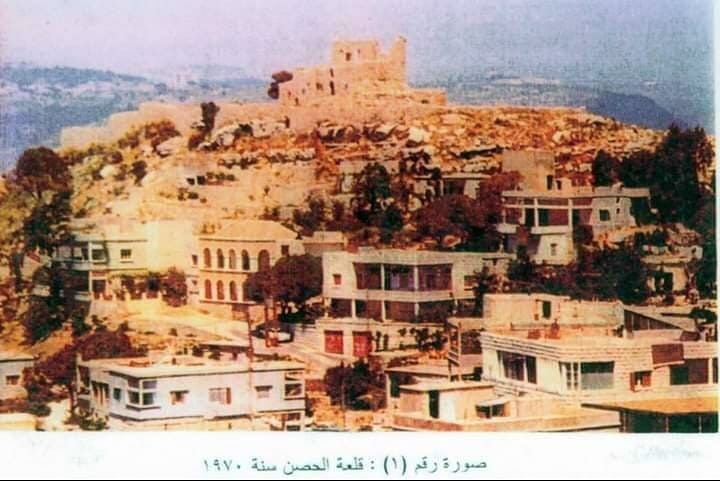
This town, whose name means “rocky stone” in clear reference to its connection with stone, carries within it a historical legacy represented by the archaeological “Hosn Castle,” which has witnessed successive civilizations, from the Tanukhids to the Romans.
Today, however, it carries a heavy pain soaked in blood, after witnessing a massacre that will remain etched in the memory of its residents and of the Lebanese people.
Rana left and never returned...
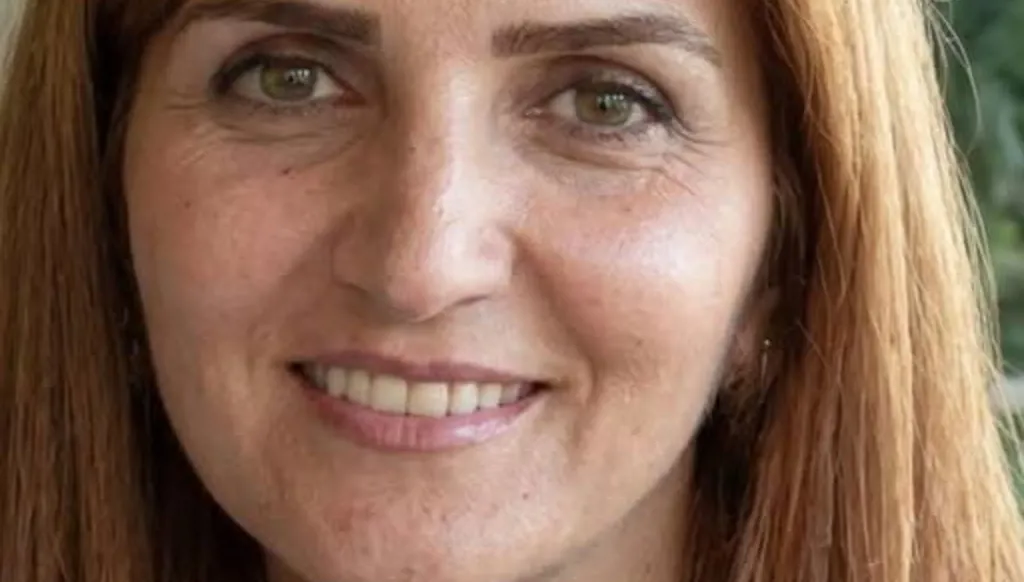
We continue the search, and the stories keep coming one after another, names that once overflowed with life before turning into memories. Among these stories is the story of Rana Malaeb and her friend, journalist Suzanne Khalil. From Kayfoun to Baisour, the road was heavy beyond endurance, and the closer we got to the family’s home, the sharper the pain became.
Rana left that morning to secure medicines for displaced people, without knowing that she would not return, and that her journey would become a final path inside a massacre that spared no one.
On the stairs leading to the house, heavy silence begins to narrate what happened. Inside, her large portrait welcomes you alongside her friend Suzanne Khalil, who died with her when Israeli warplanes struck the place. They left together, as they had lived, inseparable.
Naram, 19, tells Annahar the details of the final moments before his mother left the house on that black Wednesday. He says: “She finished preparing lunch, then turned to me and said: don’t forget to lock the door. She kissed me and left… but this time, she did not return.”
He recalls that heavy day of the massacre, when calls began pouring in from relatives checking on the family’s safety, before everything turned in a single moment. There, at the Qabrshmoun hospital, Rana’s husband informed his two sons of her death. Naram says: “He did not allow me to see her, so that her beautiful image would remain as it is in my memory.”
Naram lives surrounded by her memories; her voice still echoes in his ears, and her presence remains in every corner of the house and in the smallest details of his day. He holds on to one hope: “that the stories of the victims remain alive… so they are not forgotten, and so this massacre remains engraved in memory.”
“May God inflict on them the same burning pain they caused me”
From Rana’s home, we descend the stairs leading to the house of Suzanne Khalil’s family, her friend in both life and death.
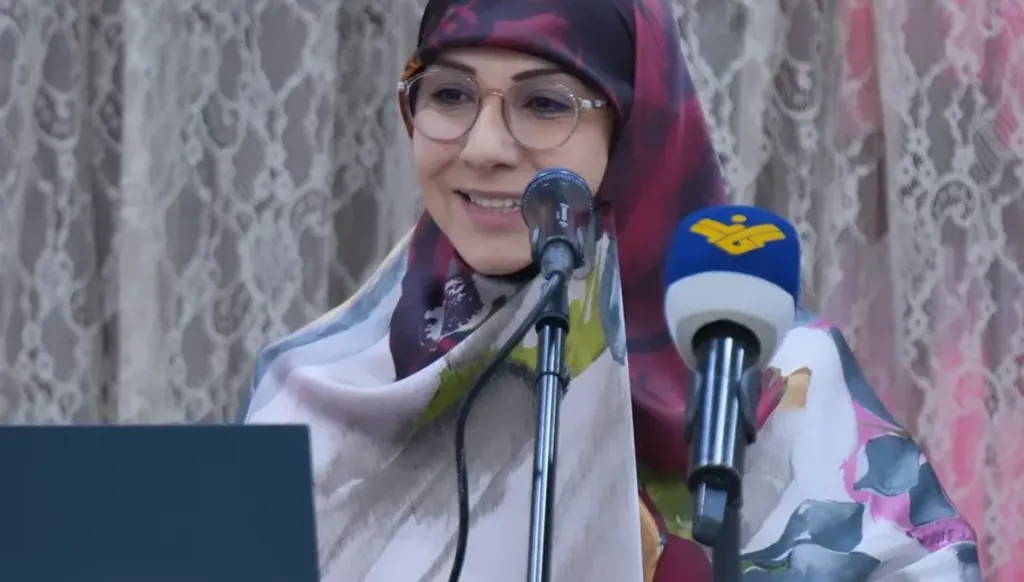
Inside, we hear the mother crying, overwhelmed by grief, repeating bitterly: “She left me all alone.” It is an absence that was forced upon her, unlike any ordinary farewell. Through her tears, she can only repeat one burning prayer: “May God inflict on them the same burning pain they caused me.”
On the sofa opposite sits her father, Hajj Fadlallah Hassan Al Khalil, 89. In his interview with Annahar, he says that “she loved doing good and helping people… and she was killed while doing what she loved.”
Those who knew Suzanne speak of how she devoted her life and time, especially since the outbreak of the last war, to helping displaced families and meeting their needs. She never knew rest, neither day nor night, always repeating: “People need help.”
Hajj Khalil recalls the final hours before his daughter’s death, saying: “She left at ten in the morning with Rana to deliver aid, then they went to the pharmacy to secure medicine for displaced families. They bought what they needed and left, but later turned back because they had forgotten part of the medication. As soon as they parked the car and stepped out… the airstrike hit.”
A few moments were enough to end everything. Lives were extinguished under the rubble, while their images remained on the walls of homes. He adds: “If they had not turned back, they would be here today. But between fate and the brutality of what happened, the end was far harder than anyone could bear.”
He, who believes that “the body is in the earth and the soul is in the sky,” prays for his daughter Suzanne in a silence heavy with faith and grief.
This is how families try to preserve what remains of their memories. And this is how the families of Kayfoun find themselves facing an unbearable tragedy, living through it between silent pain, endless tears, and a loss beyond words.