

Tallet al Khayat: A night the city split into ruins
Survivors recount a sudden strike on a once-quiet Beirut neighborhood that turned homes, memories, and ordinary lives into rubble, grief, and disbelief within seconds.




 Messenger
 Whatsapp
 Threads
 Email
Email
 Print
Print
 X
X
 Facebook
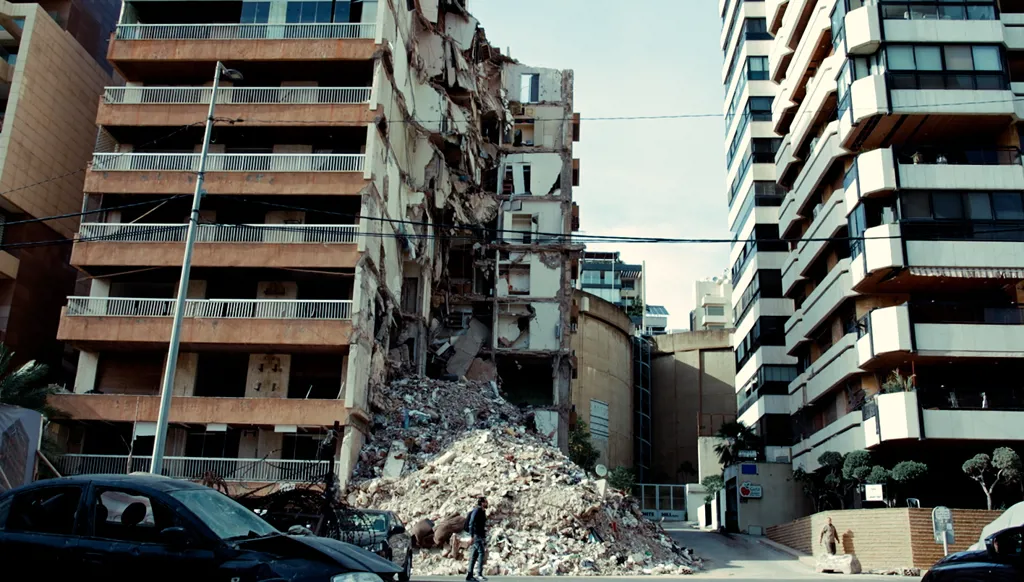


“Did you see the smoke? Did you smell the fire? Did you glimpse my weakness? Did you see my exhaustion? Did you see my parts scattering? I am afraid... afraid that we have reached a time in which I will no longer be able to feel you as well. Forgive me but I love you.”
An unfinished poem found by Ghida, the daughter of the poet Khatoun Salma, among the rubble of the house in Tallet al Khayat that was targeted by Israel on April 8 last month.
Khatoun and her husband Mohammad Kresht were found the day after the raid. They passed away as if life had suddenly gone out, exactly as she wrote in her poetry collection “The Last Guests of the Moon,” where their story ended in a moment no one expected. The words of the poet and artist Suzanne Alaywan were like an open elegy when she wrote: “Yesterday my beloved friend and poet Khatoun Salma was killed in the Israeli raid on the Tallet al Khayat building in Beirut. The building collapsed on her a few hours after our last conversation. The last thing she left me was a red heart emoji at the end of my message. Khatoun left like a feather… with the cloud, with the sunset.”
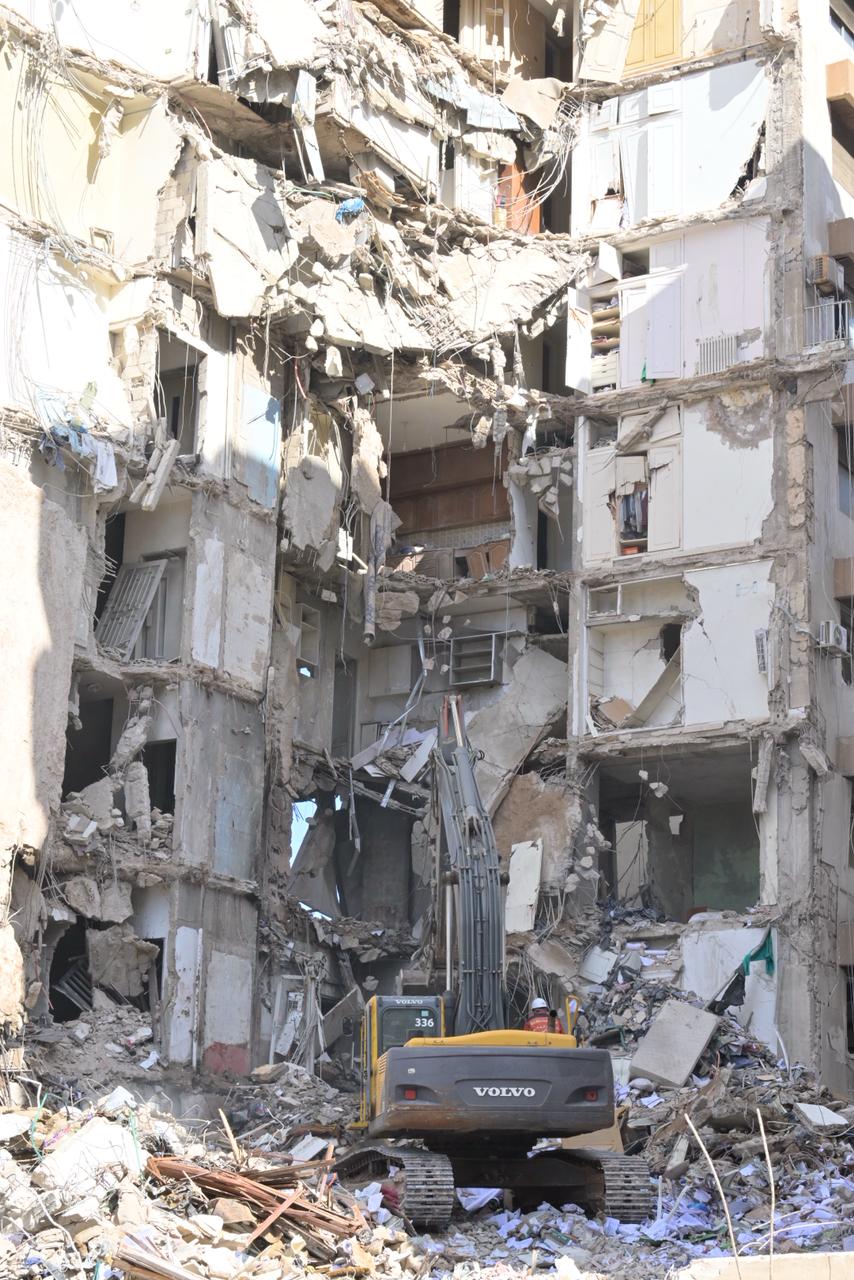
Khatoun and her husband left, along with many others, and the rubble remained at the edges of the building as a witness to the horror of the massacre that targeted Tallet al Khayat at six thirty in the evening, at a time different from the raids that struck Beirut starting at two fifteen in the afternoon, as if the day itself had split into successive chapters of loss.
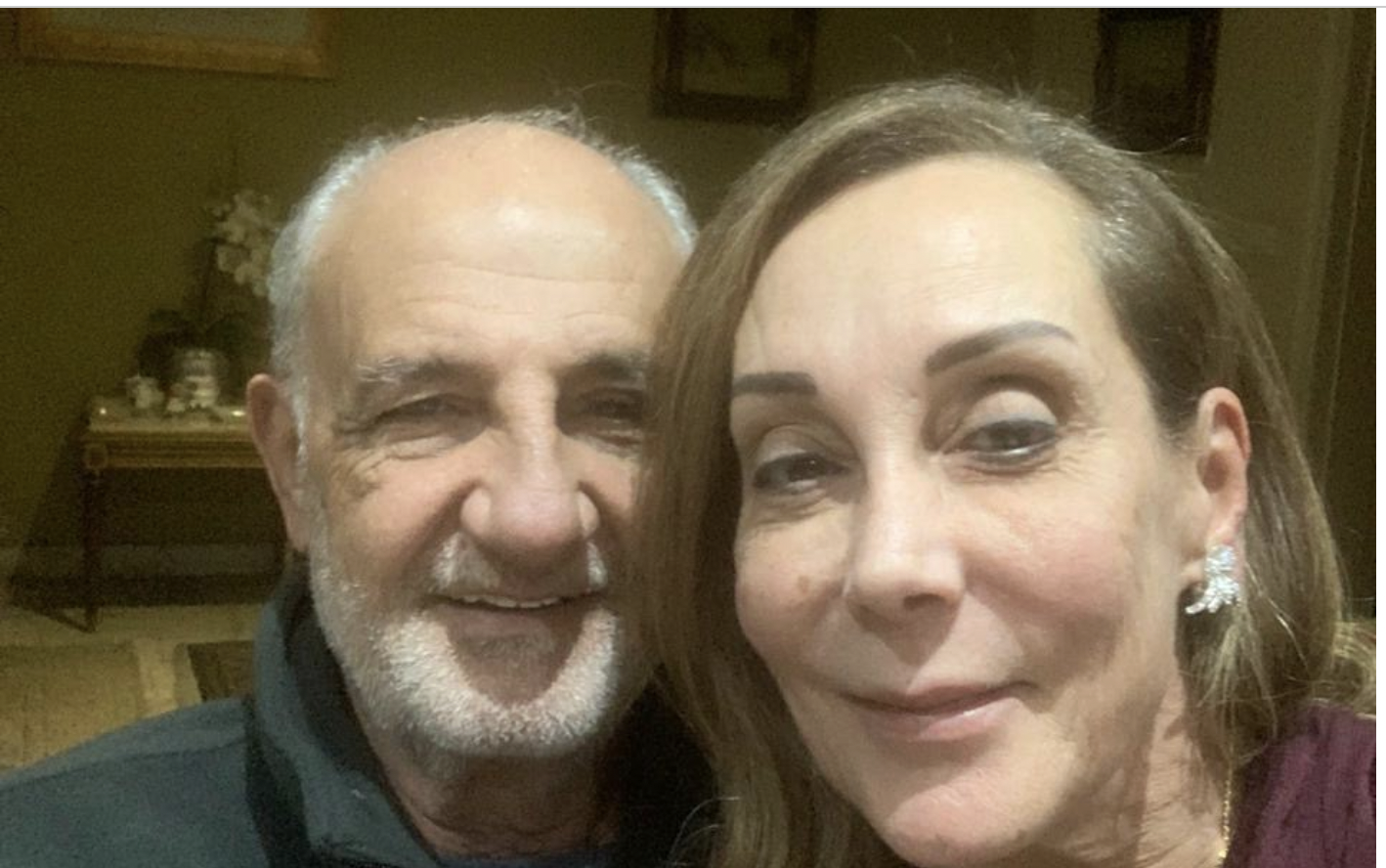
According to accounts from residents of the area, four missiles fell on the Shehab building in Tallet al Khayat. Three of them exploded while the fourth did not detonate. Within moments, a large part of the building, which is over seventy years old, collapsed as if it were a light sheet, taking with it bodies that had been sitting quietly in their homes. The building, consisting of nine floors with two apartments on each floor, split into two halves: one part was leveled to the ground, while the other remained suspended, like a silent pain that does not move.
What distinguished the Tallet al Khayat massacre, which resulted in 19 dead and 22 wounded, was not only the scale of the losses but also its timing. The strike did not take place within the wave of one hundred raids carried out at 2:15 in the afternoon, but came later, at 6:30 in the evening, after many had thought the nightmare was over.
Israel announced that the raid targeted a leading figure in Hezbollah, while reports indicated that an apartment belonging to the sister of the party’s Secretary General Sheikh Naim Qassem was located in the building. However, this account was met with testimonies from residents, who confirmed that the building had been inhabited by families for decades. One of them said: “Even if this claim were true, what happened cannot be justified… innocent people were killed, and an entire nine-story building collapsed on those inside.”
Her body was found after four days
Testimonies continue to emerge about the building’s residents, whose lives were turned in an instant into names on obituaries and photos on walls confirming they had once been there. Ordinary daily lives ended suddenly, without warning.
Four continuous days of searching passed before a Bangladeshi worker who had been missing under the rubble was found. She was the last body recovered from the building, after the municipality had to redistribute the debris and dig again to reach her. In contrast, the owner of the Shehab building did not survive, while his wife did. A matter of seconds was enough to draw different destinies between those who survived and those who left without return.
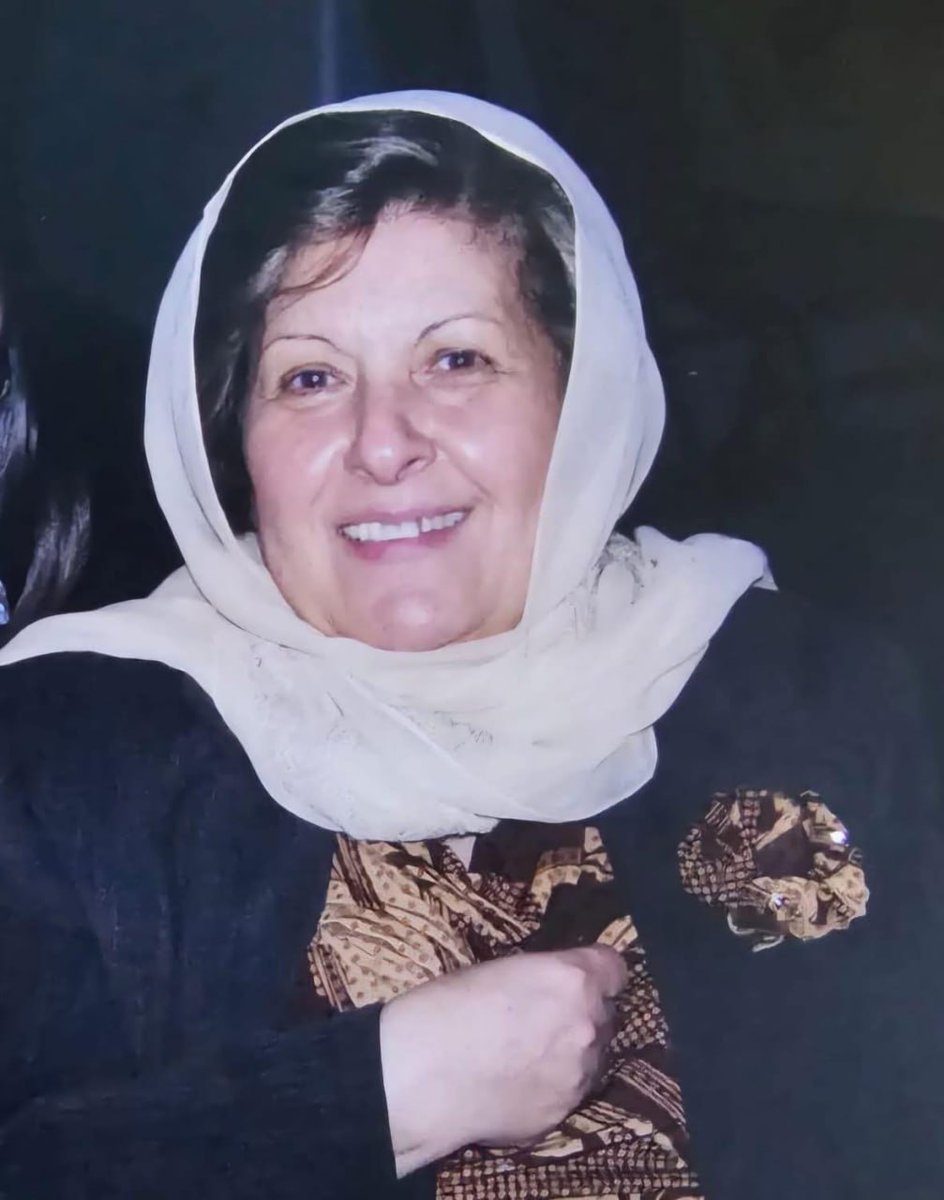
In the context of the losses, journalist Jamal Feghali mourned his cousin Afaaf Saidaoui and her son Hassan Al Sabbagh, writing: “My cousin Afaaf Saidaoui, and her son, childhood and youth companion and days of joy Hassan Al Sabbagh… they were killed by Israeli missiles yesterday in Tallet al Khayat, without justification or reason.”
“Pieces of a loved one”
Khader Hammoud has been working for nearly 40 years in a contracting and engineering company located in the Shehab building in Tallet al Khayat, the same building that was targeted in the recent strike. On that day, around 4:30 p.m., about 40 employees had left the company’s headquarters, while its owner, his son, Khader, and a Bangladeshi worker remained.
At around ten minutes to six, everyone else left, and less than twenty minutes later a large explosion shook the area. Khader says in an interview with Al Nahar: “If the strike had happened during the first wave of raids at noon, we would have witnessed a real massacre.”
When the explosion occurred around 6:30 p.m., Khader was in the area of Bourj Abi Haidar. As soon as he learned about the location of the strike, he rushed back, only to discover that the targeted building was his workplace: “I cannot describe what I saw… it was a catastrophe in every sense of the word.”
Nothing escapes his memory. He admits: “It is hard to see pieces of people who are dear to you, the fire that broke out before civil defense arrived, and the sounds of ambulances… all these scenes remain etched in memory.”
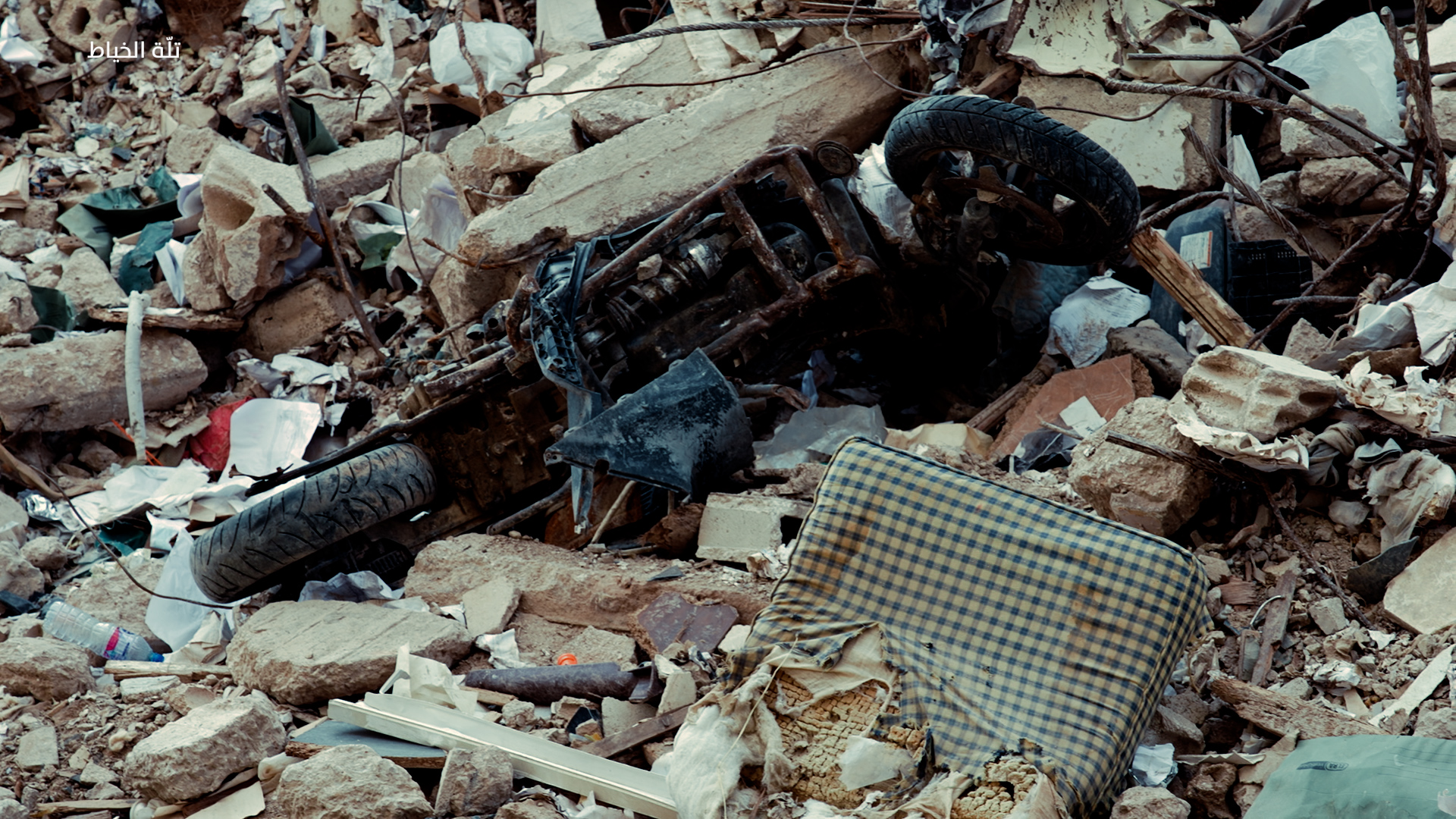
This was the first time the area had been targeted, which caused widespread shock and panic among residents, as no one had expected the strike. Khader explains: “We were not able to identify some of the bodies because of the force of the explosion… we were facing extremely harsh scenes.”
For Khader, Tallet al Khayat was not merely a workplace, but a daily living space that extended for more than forty years. He says: “I grew up, lived, and built my life here… I have been working in this company for more than 40 years.” He knew every detail of the street by heart, the dust, people’s faces, and every corner of the neighborhood, before this memory was erased by four missiles that turned a large part of the Shehab building into scattered rubble, along with everything it held of memories and residents.
History of Tallet al Khayat
This area, which was originally semi-rural according to researcher Dr. Zakaria Al Ghul, who holds a PhD in political history, lay outside old Beirut. It was distinguished by its elevation, which made it a strategic location in terms of environment and urban development. In the late Ottoman period, wealthy Beirut families began moving to live there.
With the introduction of modern urban planning concepts, the hill was used in infrastructure projects, especially water reservoirs. However, during the French Mandate period, it began to transform into a more organized residential neighborhood, before witnessing significant urban expansion after independence, with the spread of modern buildings, which led to a gradual shift in its social structure.
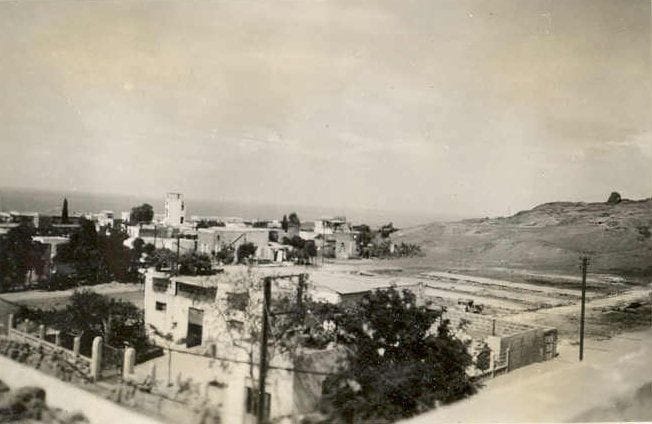
This area, long known for its refinement and calm, had an appointment on April 8 with a completely different scene, when a large part of the Shehab building collapsed to the ground, near a spot of red soil that once characterized the hill before roads were carved and its urban features were reshaped in recent years. In that geographic space, among elegant buildings, Tallet al Khayat wrote a painful story in the names of its residents.
“For a moment we thought the end had come”
Close to the site of the explosion, the caretaker of one of the buildings recounts: “The sound of the missile blast was terrifying… we could not comprehend what had happened. We threw ourselves to the ground after the first missile fell, and within minutes black smoke covered the entire neighborhood.”
After the initial panic subsided and what had happened began to sink in, the caretaker left the building and discovered the scale of destruction caused by the strike. He says: “I first ran toward a woman who was on the ground with her young child, helped her, then continued toward the site of the explosion. We did not get too close because rescue teams were on their way, but we stayed watching in fear and shock everything that was happening.”
As several residents agree, no one expected the airstrikes to reach this specific area. This shock was reflected practically in the departure of some residents from their homes, as the sense of safety became absent anywhere.
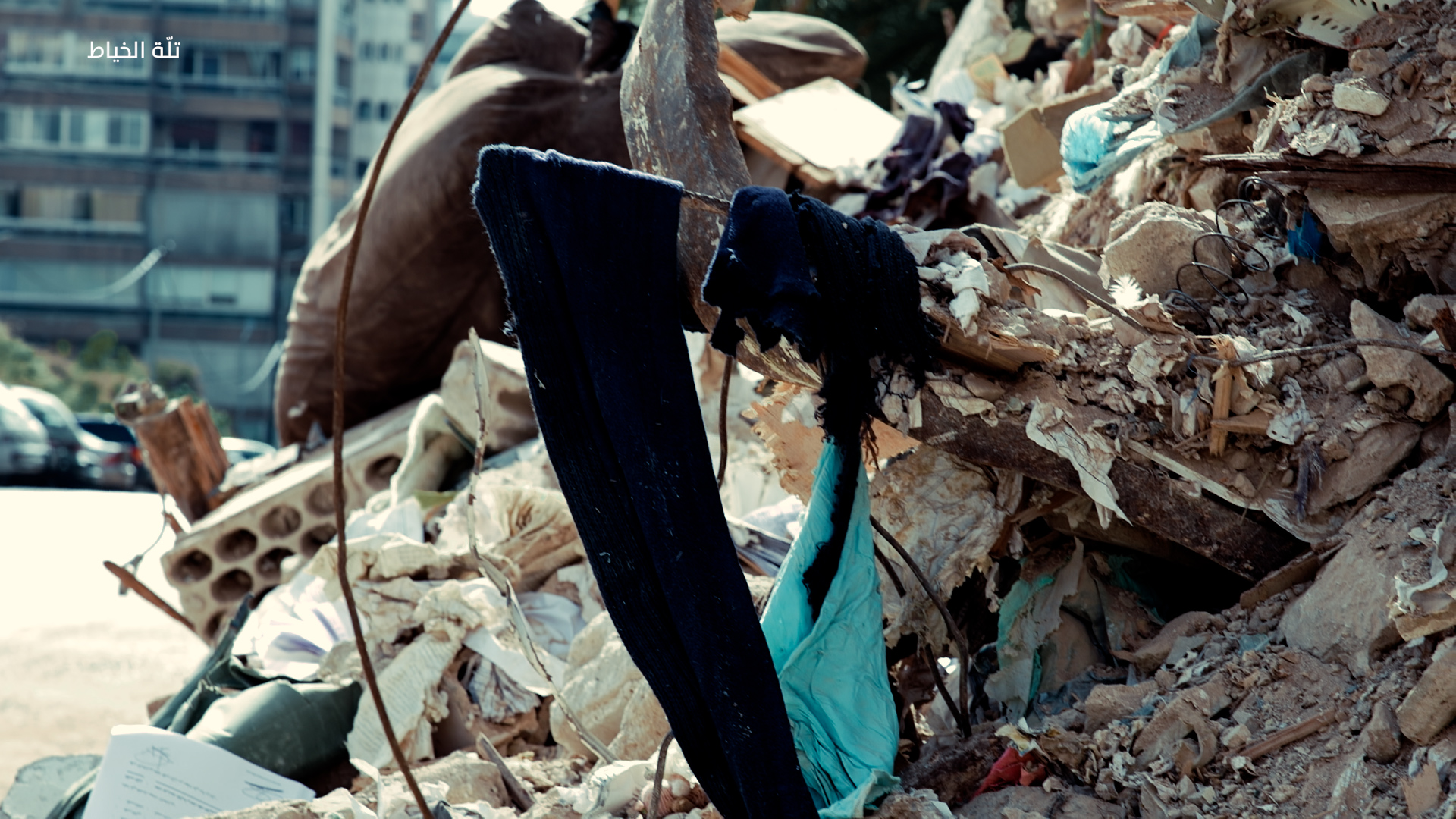
The janitor returned to his building and began sweeping up the scattered glass, trying to repair what could still be repaired. Although the damage to the building where he lives was limited compared to the buildings adjacent to the targeted site, he admits: “We lived through real terror… for a moment we thought the end had come.”
While walking between nearby buildings, in an attempt to hear testimonies and follow the stories of the victims amid the rubble, one of the workers in the area recounts decisive moments between life and death. He says: “I was present opposite the targeted building. I was working in the neighborhood, before I left because the situation in Beirut was not reassuring after the strikes that targeted several areas in Lebanon.”
“Deliberate crime”
Just ten minutes were enough to change everything. At the moment of the explosion, he was about 200 meters away from the site, unable to comprehend the shock. He had been there only moments earlier, and his damaged cars are still parked today opposite the targeted building.
He describes the street where the attack took place as “very upscale and calm,” adding: “For a missile to fall in a place like this is a shock in itself.” Today, the young man lives in a prolonged state of fear that is not limited to this area alone, but extends across all of Lebanon. He admits: “If this area was bombed, what prevents other areas that we also consider safe from being bombed?”
This land where he was born, grew up in its neighborhoods, and still lives today has turned into a witness to a brutal massacre. For him, this is the first time he has seen destruction of this scale and loss of life in such density: “deliberate crime.”
The young man sums up that day in Tallet al Khayat with a comparison closer to a painful scene: “What we see in films about disasters, a woman wrapped in a blanket, women screaming, children crying, blood, and ambulance sirens, we saw it today with our own eyes, in reality.”