

Escalation or strategic signaling? Israel’s strike on Beirut and the shadow of Iran–U.S. talks
A reported assassination in Beirut’s southern suburbs revives tensions in Lebanon–Israel relations, raising questions over coordination with Washington, the fragile Iran–U.S. diplomatic track, and Hezbollah’s shifting battlefield–political equation.



 Messenger
 Whatsapp
 Threads
 Email
Email
 Print
Print
 X
X
 Facebook
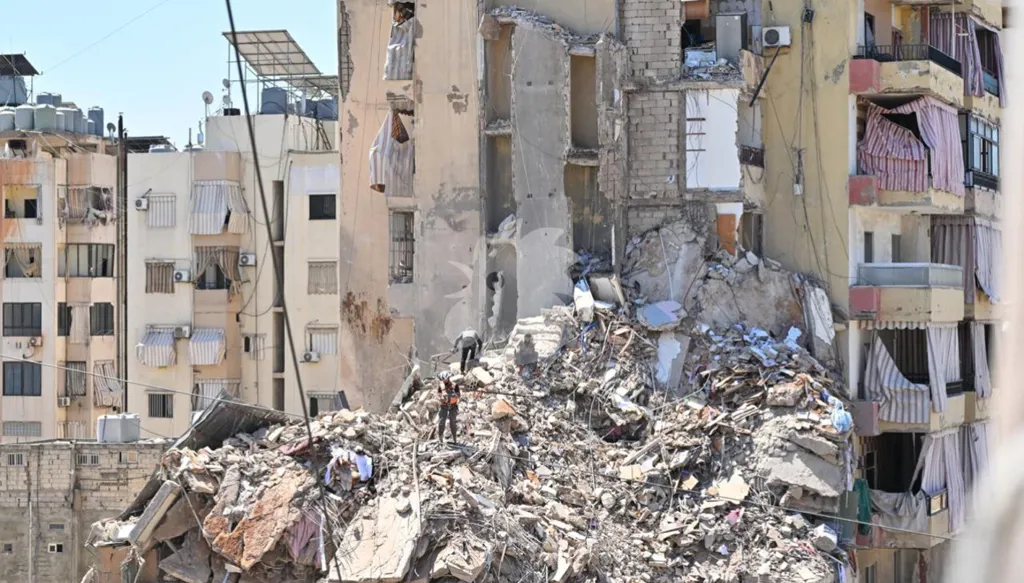


Israel justified its return to assassinations by targeting the commander of the Radwan Force within Hezbollah in Beirut’s southern suburbs during what was described as an extended truce, stating that the move was coordinated with Washington.
According to several observers, this is an attempt to avoid framing the assassination as an obstacle to ongoing negotiations between Washington and Tehran, amid Israeli dissatisfaction with what is being discussed as a potential imminent agreement.
They argue that Washington would not necessarily object, given its position on Hezbollah as a central problem in Lebanon–Israel relations, especially since the target is a senior military figure within the group.
However, given the timing and context, this could place the Israeli leadership in a difficult position regarding renewed pressure to halt strikes on Lebanon, particularly Beirut, out of concern that either progress or escalation could disrupt the emerging agreement with Iran.
Alternatively, it may be met without objection and used as leverage to pressure Iran, as the situation remains fragile and could swing back toward escalation if the required concessions are not made, even via Lebanon, where a real ceasefire remains suspended amid ongoing exchanges of proposals between the American and Iranian sides.
Some also attribute Israel’s approach to a desire to separate the Lebanon file from what is unfolding on the Iran–Washington track, alongside its own capacity and interest in advancing its objectives, which may differ from or go beyond those of its American ally.
From this perspective, Israel seeks to keep the confrontation with Hezbollah active, while repeatedly stressing that any resolution would require the disarmament of Hezbollah, in addition to other issues that extend beyond the nuclear file, which remains the primary focus of the American administration as it prioritizes achieving the most significant breakthrough over other considerations.
At a critical time for Israeli Prime Minister Benjamin Netanyahu and the upcoming elections, diplomatic sources are likely to view the continuation of the war as an important tool for him, based on the promises he has made, particularly regarding ensuring the security of settlements in northern Israel and along the border with Lebanon.
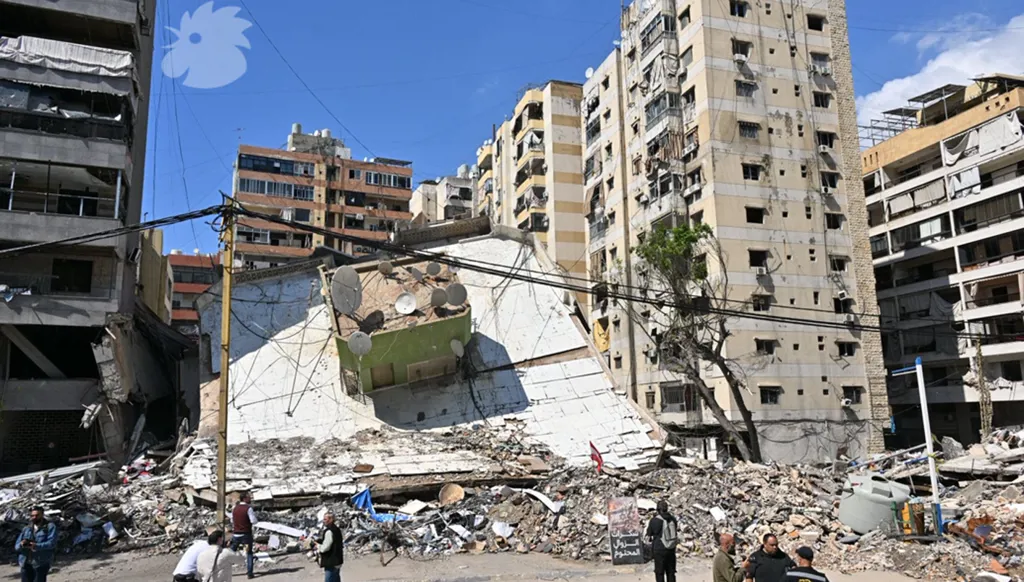
This leads to a complex and confusing situation for Lebanon. Some ask whether what is happening benefits Lebanon by keeping it outside a broader agreement between Tehran and Washington, which could weaken the party that wants to believe the truce between Iran and the United States ensured a truce in Lebanon, even though it is not an actual truce, as the daily war with Israel continues.
This, in turn, may lead to the party’s suffering without achieving the gains it hopes to translate politically within Lebanon in order to preserve its existence and strength.
Hezbollah might find itself bearing the brunt of a war without achieving tangible political gains, while Israel’s return to assassinations in Beirut specifically weakens the state’s position and its pillars, who use the argument of their diplomatic success in neutralizing the capital after “Black Wednesday” on April 8 to repel the party’s criticisms of the diplomatic option and the direct negotiation choice that allowed the American president himself to exert pressure on Israel to adhere to guidelines in its war on Lebanon.
Conversely, the return of assassinations refocuses attention on the party’s ordeal by further exhausting its leadership on one hand, while on the other highlighting the complex reality it has reached.
This comes against the backdrop of its continued ability to use drones and missiles to maintain a degree of deterrence, thereby sustaining Iran’s influence in Lebanon through preserving its sphere of protection.
At the same time, it revives a fragile situation the party has long faced, marked by the ease with which it can be breached and its leaders targeted.
It also raises concerns that its “sacrifices” may not translate into strategic gains, amid Israel’s determination to reshape the security reality in southern Lebanon, as well as a wider set of Arab, regional, American, and internal Lebanese factors that now constrain its ambitions more than before.
Most importantly, the renewed assassinations reflect Iran’s inability, at this stage of its negotiations with Washington, to secure direct guarantees related to protecting the party and preventing its targeting.
This mirrors the dynamics of broader diplomatic exchanges, where the Lebanese file is not fully integrated into a truce framework between Iran and the United States in Israel’s campaign against the party, while Tel Aviv’s asserted right to continue targeting what it considers threats remains in place with limited objection.
Disclaimer: The opinions expressed by the writers are their own and do not necessarily represent the views of Annahar.