

Sudan’s war and the “Brotherhood Factor”: How new U.S. counterterrorism framing raises the stakes for peace in 2026
A sharp new U.S. counterterrorism strategy and renewed scrutiny of Islamist networks are intensifying debate over Sudan’s war, military leadership, and the conditions needed to end a conflict that has pushed the state to the brink.



 Messenger
 Whatsapp
 Threads
 Email
Email
 Print
Print
 X
X
 Facebook
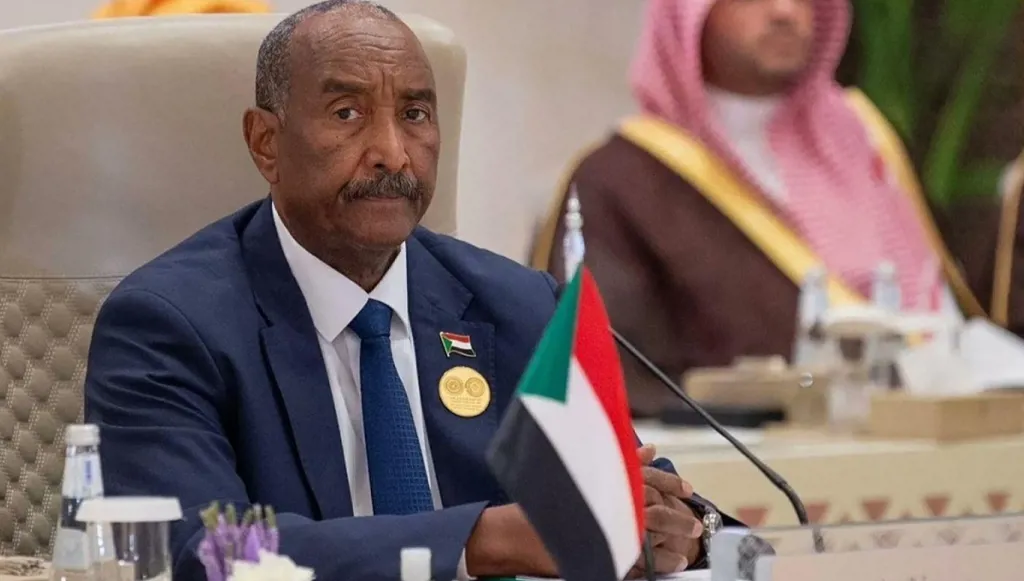


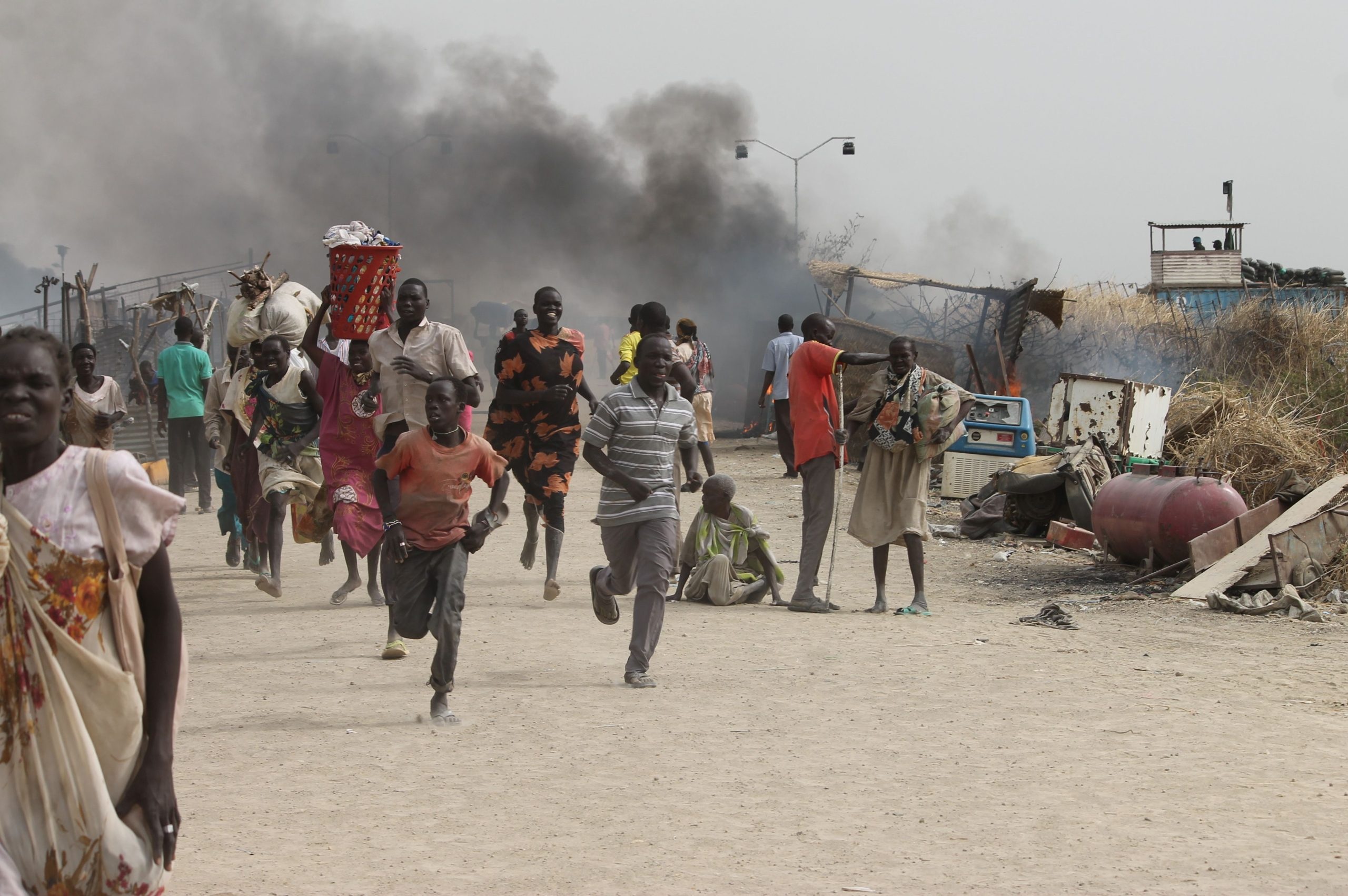
The military leadership’s insistence on relying on remnants of the former regime’s Brotherhood and their ideological brigades places the Sudanese army under the guillotine of history; instead of being seen as a protector of the state, it is viewed by the international community as a cover for an “Islamist” project seeking to restore its influence at the expense of national sovereignty.
The Islamic movement (Sudan’s Brotherhood) does not fight for the unity of Sudan but for its own survival, knowing that any democratic transition or genuine peace would inevitably mean the end of its cross-border ideological project and the dismantling of its economic and security empire built over three decades of consolidation.
When Washington groups the Brotherhood with Al-Qaeda and ISIS, it effectively removes any cover for any authority allied with them. This means that the Sudanese army, under its current leadership, is rapidly pushing the country toward classification as a rogue state, warranting intervention under the clause of “combating terrorist organizations and their branches.”
Army Commander Abdel Fattah al-Burhan, by clinging to this alliance, is not only gambling with his political future but also placing the fate of 45 million Sudanese in direct confrontation with the international counter-terrorism framework.
The Sudanese crisis has reached a point of stark polarization. One cannot speak of counter-terrorism in the African Sahel or Red Sea security while, in Khartoum, a military leadership operates under the influence of the Islamic movement’s general secretary.
The path to peace passes exclusively through the removal of the ideological influence from the military institution.
It is certain that the war will not end with a military victory for any side, but it will likely end in the collapse of the state entirely if the army continues to prioritize organizational loyalty over national duty.
The army commander must choose: either act as a general for his country, leading it toward peace away from the Brotherhood’s influence, or remain bound to an alliance that will only push Sudan toward further war, isolation, and collapse—and himself down the path of his predecessors, pursued by international justice and the condemnation of his own people.
Disclaimer: The opinions expressed by the writers are their own and do not necessarily represent the views of Annahar.