May 7 Revisited: Can Hezbollah Still Reproduce the 2008 Equation?
Revisiting a moment that redrew Lebanon’s political equation and defined Hezbollah’s internal threshold of force.



 Messenger
 Whatsapp
 Threads
 Email
Email
 Print
Print
 X
X
 Facebook
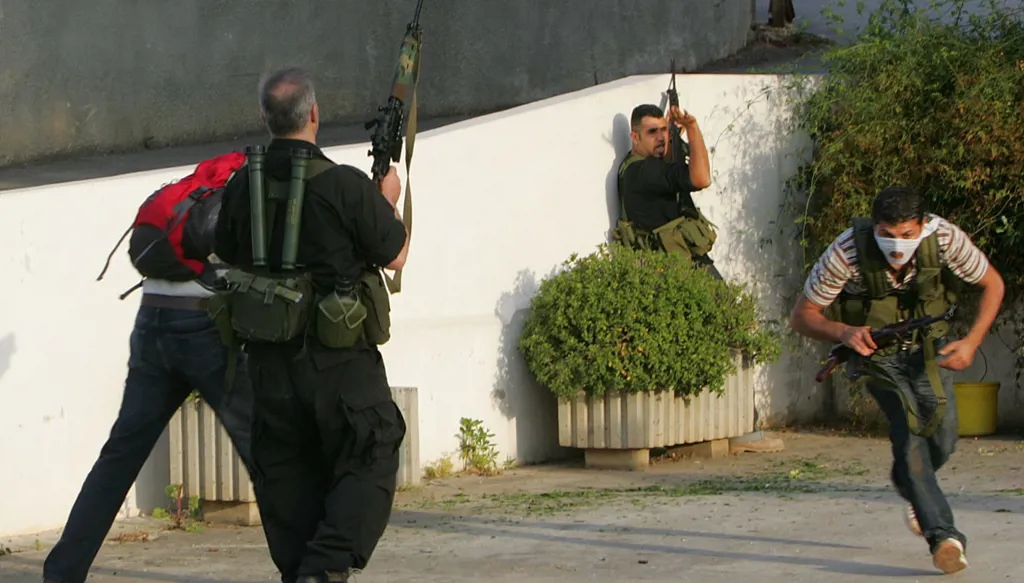
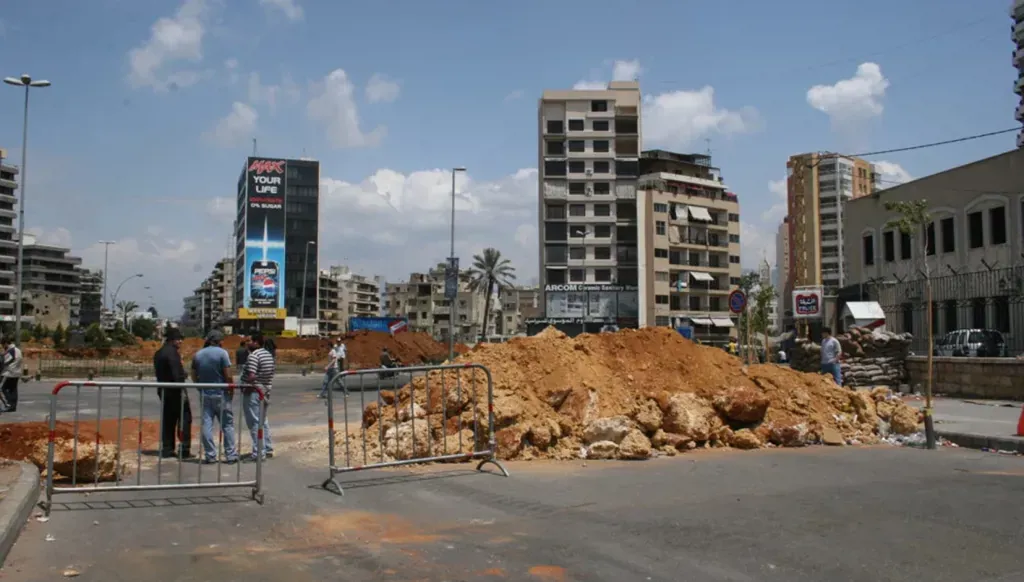
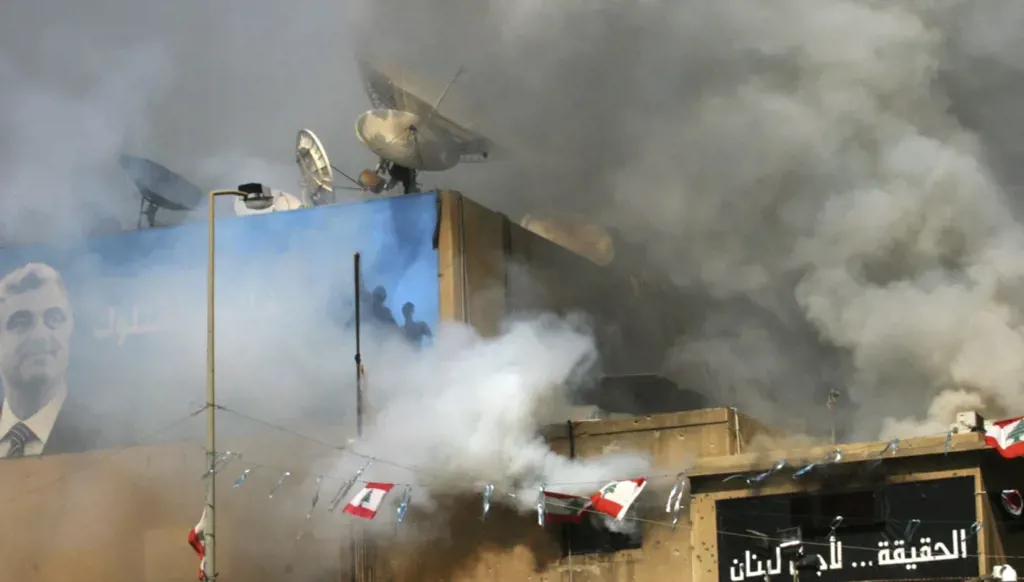


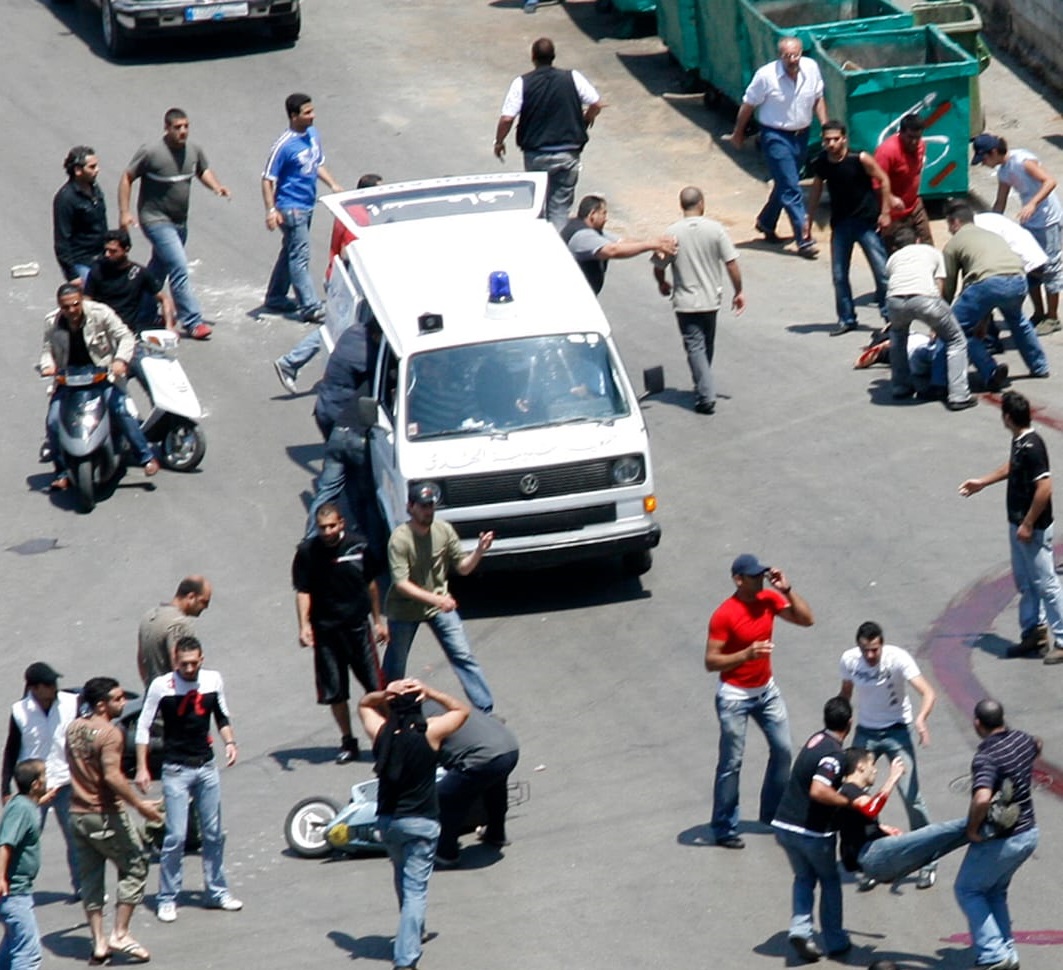
Eighteen years after the events of May 7, 2008, the incident is no longer read merely as a passing security clash, but rather as a pivotal turning point that redrew Lebanese power balances and set the internal threshold of strength for Hezbollah.
However, the question today is no longer what happened at that time, but whether this model is still reproducible and whether the party itself views it as a success that can be reused under current circumstances.
At the time of its political moment, May 7 achieved clear objectives for the party. The decisions taken by the government of Prime Minister Fouad Siniora regarding the telecommunications network effectively collapsed, and the internal balance of power shifted in favor of Hezbollah, leading up to the Doha Agreement, which for the first time formally enshrined the idea of a “blocking third” within the executive authority, marking the beginning of Hezbollah’s political dominance over Lebanese decision making through an excess of power.
In other words, the party demonstrated then that the use of force domestically can change political equations when it feels that there is a direct threat to its security structure or its regional role.
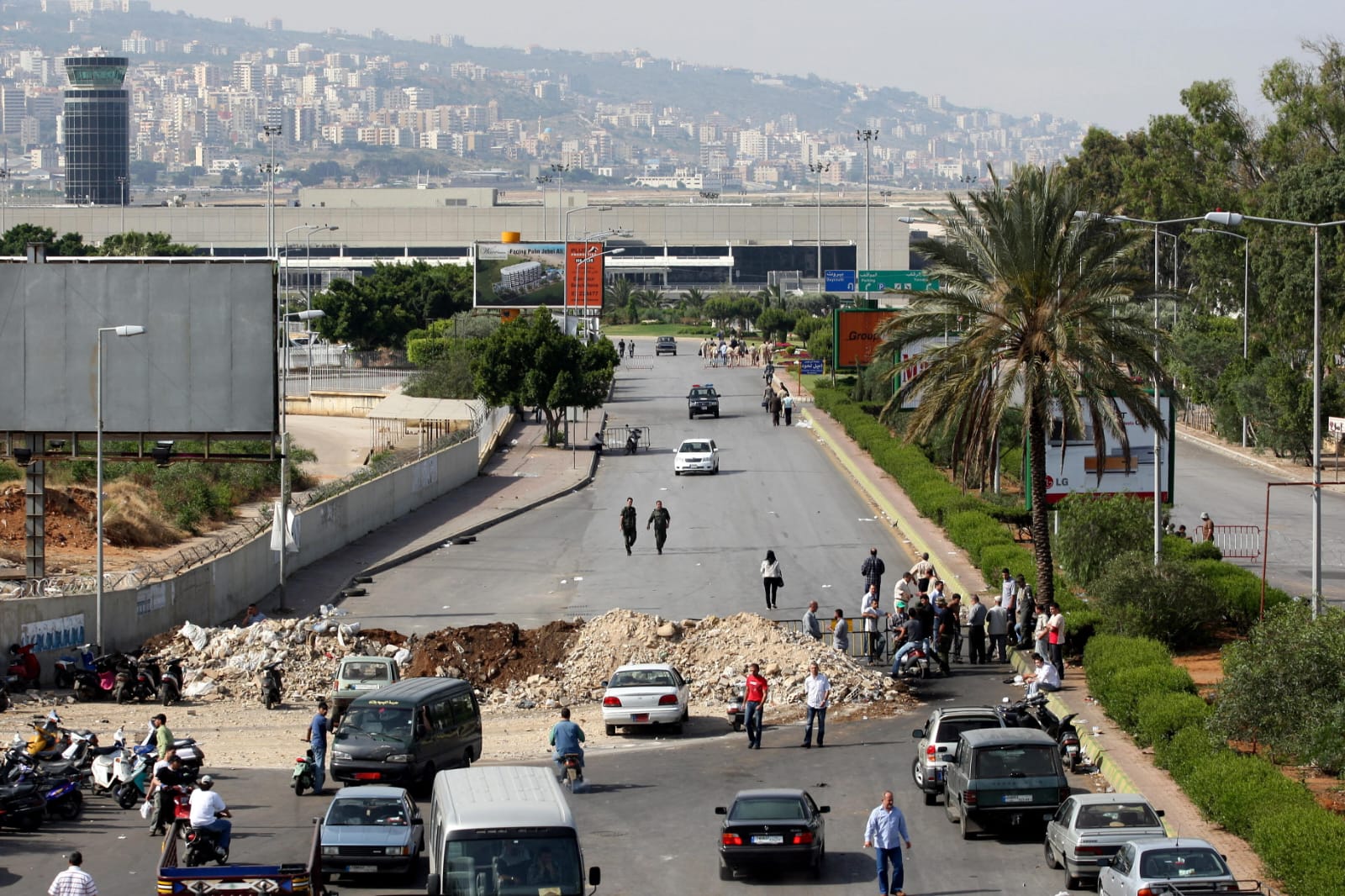
However, the success of May 7 was also tied to a completely different context from today.
In 2008, the party was at the height of its political, military, and popular strength within its base, while Syria under Bashar al-Assad was still a regional actor firmly engaged in the Lebanese arena. At the same time, Iran was in a phase of expanding regional influence following the Iraq war.
Lebanon had also not yet entered its major economic collapse, and the Shiite community itself had not yet experienced the long-term costs of involvement in regional wars, as later happened in Syria and then in the open confrontation with Israel.
Between political threat and the impossibility of repetition
For this reason, speaking today about repeating May 7 appears far more complex.
It is true that Hezbollah’s discourse still contains very high thresholds, particularly regarding any discussion of direct negotiations between Lebanon and Israel or any path that could be interpreted as political normalization.
It is also true that political threats directed at the presidency and the government show that the party still considers itself to hold a veto power over major strategic decisions of the Lebanese state. However, at the same time, the internal and regional environment has changed drastically.
Today, any large-scale use of weapons inside the country would not be interpreted as it was in 2008. Hezbollah itself recognizes that images of armed fighters in the streets of Beirut, which once reinforced a sense of overwhelming power, have over time turned into a political and moral burden even among Lebanese segments that once understood the idea of resistance.
Moreover, any new internal explosion could threaten what remains of the state’s structure, economy, and social fabric, at a moment when Lebanon is experiencing an unprecedented collapse and ongoing conflict.