

Iraq moves ahead with $1.5B oil pipeline project to expand infrastructure and diversify export routes
Experts say the project is mainly domestic in scope and its export impact depends on future funding and regional agreements.



 Messenger
 Whatsapp
 Threads
 Email
Email
 Print
Print
 X
X
 Facebook
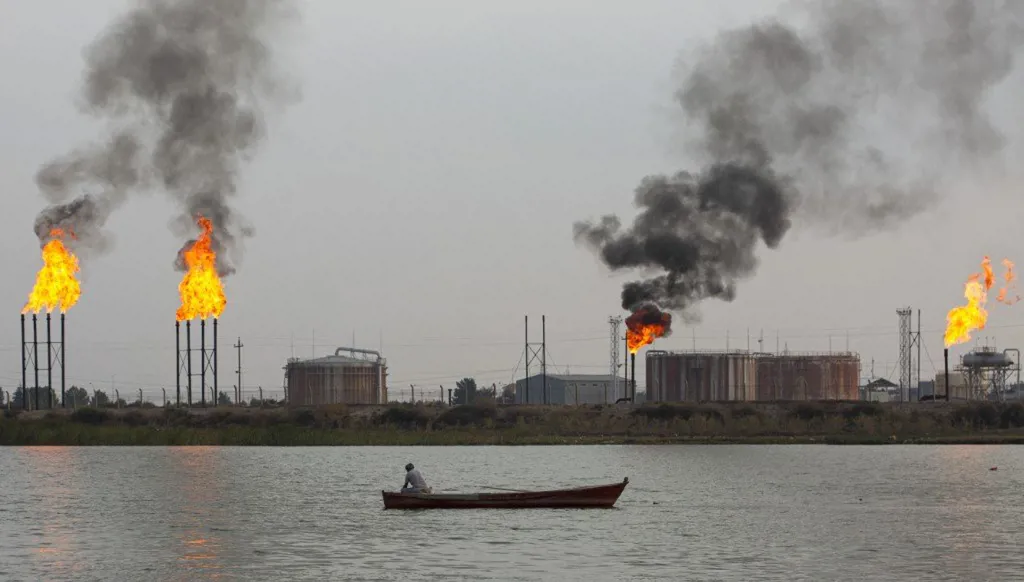


As part of a strategic direction to restructure the oil export system and strengthen the flexibility of Iraq’s national economy, the Iraqi government is moving forward with the implementation of a massive oil project estimated to cost around 1.5 billion dollars.
The project involves the construction of the Basra-Haditha pipeline, with a design capacity of up to 2.5 million barrels per day. This project comes within government efforts to reduce reliance on a single export outlet and expand access to regional and international markets, thereby limiting geopolitical risks and enhancing the stability of public revenues.
According to statements by the spokesperson of the Iraqi Ministry of Oil, the project is considered one of the most prominent infrastructure projects in the energy sector. The pipeline will extend for approximately 700 kilometers and have a diameter of 56 inches, placing it among the largest oil transport pipelines in the country in terms of capacity and length.
The new line is expected to connect the southern oil fields with multiple export points, passing through several key refineries, which will help improve the efficiency of domestic supply and facilitate transportation and refining operations.
Government data indicates that the project will enable Iraq to diversify its oil export routes through multiple regional corridors, including the Syrian port of Baniyas, the Turkish port of Ceyhan, and the port of Aqaba. This would enhance the competitiveness of Iraqi crude oil and give Baghdad greater flexibility in managing its exports in line with regional developments and changing conditions.
In parallel, the Ministry of Oil continues its efforts to rehabilitate the Kirkuk–Ceyhan pipeline, which is considered one of the most important export arteries with a capacity exceeding one million barrels per day. According to official information, the pipeline has entered the final stages of technical inspection in preparation for its return to service, with an initial capacity of up to 600,000 barrels per day, after having suffered extensive damage over recent years.
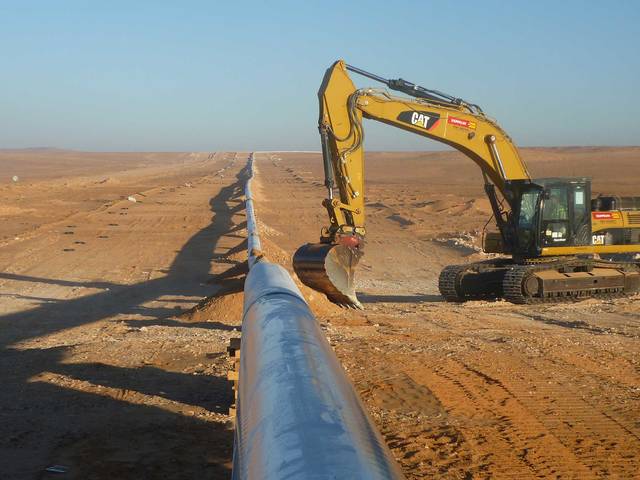
At the same time, the Border Ports Authority announced the start of the first crude oil export operations through the Rabia border crossing, where around 70 tanker trucks were exported toward Syrian territory under approved regulatory and security procedures. This step represents a practical indicator of the government’s move to activate new export outlets and reduce pressure on traditional routes, alongside plans to develop the infrastructure of the crossing and increase its capacity.
Collectively, these projects reflect a clear government orientation toward building a multi route export system capable of accommodating the expected increase in oil production and strengthening the Iraqi economy against regional fluctuations. This is intended through maximizing revenues and diversifying export channels within a long-term vision for the energy sector.
On the other hand, the former Iraqi Ministry of Oil official Asim Jihad told Annahar that regarding the Basra-Haditha pipeline project, in terms of technical specifications, the pipeline capacity is about 2 million barrels per day, with a diameter of 56 inches and a length of approximately 685 kilometers, not as stated in the ministry’s announcement. He added that these figures are important because they reflect a large project, but one that is not exceptional when compared to the scale of challenges Iraq is facing.
Jihad explains that the main objective of the project is internal rather than export oriented. It is designed to ensure stable supplies for refineries, feed electric power plants, and support the flexibility of crude transportation within Iraq.
As for the idea of exporting oil through it, this is linked to later, incomplete projects such as Haditha Aqaba, Haditha Baniyas, Tripoli, or connection with Ceyhan. He notes that these remain at the stage of future proposals and are not existing projects that can be immediately relied upon.
He adds that in terms of financing, what has been allocated and approved by the outgoing government, around 1.5 billion dollars, covers only part of the total estimated cost of about 5 billion dollars.
This means that implementation depends on securing full funding in the future, especially in light of the financial challenges facing the budget. This factor often leads to delays in strategic projects.
Jihad also reveals that the timeline is not clear, which is in itself an important indicator. A project of this scale, even under ideal conditions, would require at least four years, while related cross border projects could take four to six years or more if they are actually approved.
He confirms that the project represents an important step in strengthening internal infrastructure, but it is not an alternative export route in the near term. It cannot be relied upon to compensate for any current bottlenecks in southern export outlets.
Turning it into an effective export project would require a series of decisions, investments, and regional agreements, which still remain more in the realm of assumptions than actual implementation.
Jihad also believes that the project poses a challenge for the new government. It requires resolving the issue of securing full financing and defining a clear completion timeline. He stresses the importance of focusing on linking Basra-Haditha to supply refineries and power plants and making use of available crude oil volumes, without tying the project’s timeline to delayed export projects.