

UAE to mark 50th Armed Forces unification anniversary after repelling Iranian missiles and drones
From their 1976 unification to today’s advanced defenses, a milestone shaped by recent conflict.



 Messenger
 Whatsapp
 Threads
 Email
Email
 Print
Print
 X
X
 Facebook
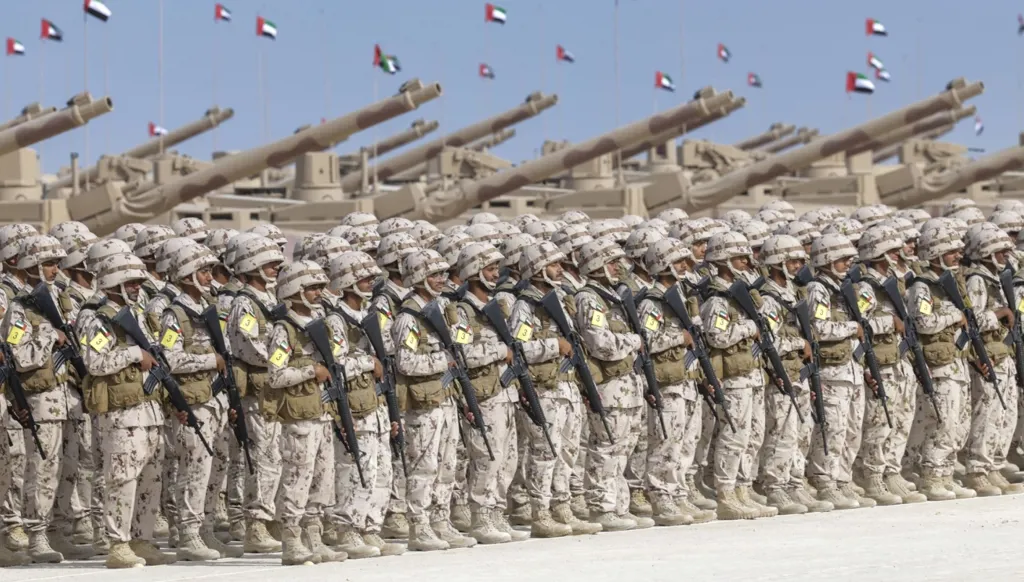


The UAE will celebrate on Wednesday the 50th anniversary of the unification of its armed forces, marking five decades of achievements and heroism during which it has established itself as a strong fortress and a firm sword in defending the nation’s sovereignty and safeguarding its gains, according to WAM.
It noted that “this year’s occasion comes after the UAE Armed Forces showed the world their high efficiency and full readiness in repelling Iranian aggression and thwarting its attempts to undermine the country’s security and stability, recording an unprecedented achievement in the history of modern armies in countering the ballistic missiles and drones that targeted the country.”
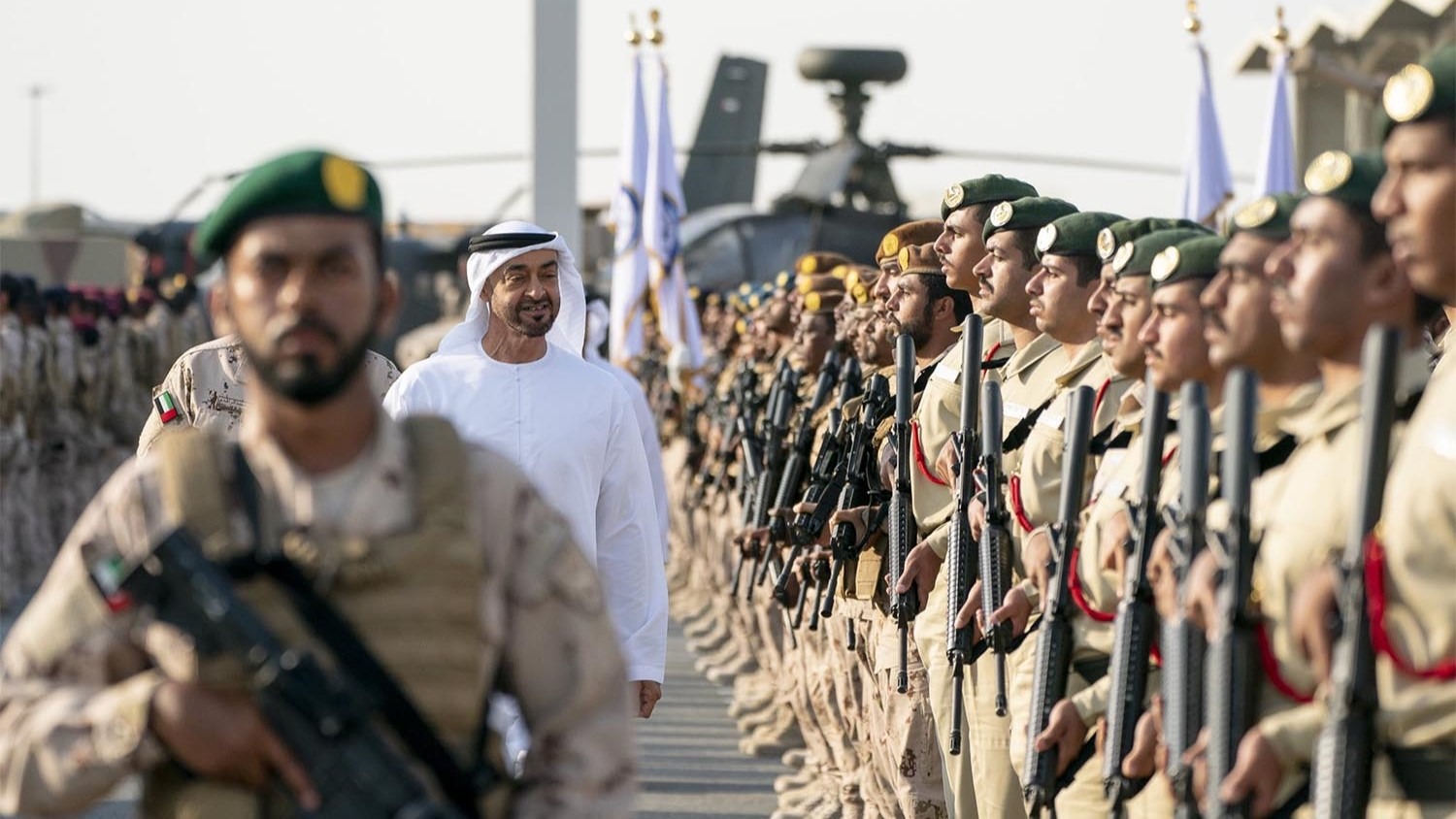
According to the agency, May 6 of each year is considered one of the most important national milestones in the UAE’s history. On this day in 1976, Sheikh Zayed bin Sultan Al Nahyan and his fellow members of the Supreme Council of the Union made the strategic decision to unify the armed forces, laying the foundation for a new phase in building a unified and powerful national army, now considered among the strongest in the region.
Who is included?
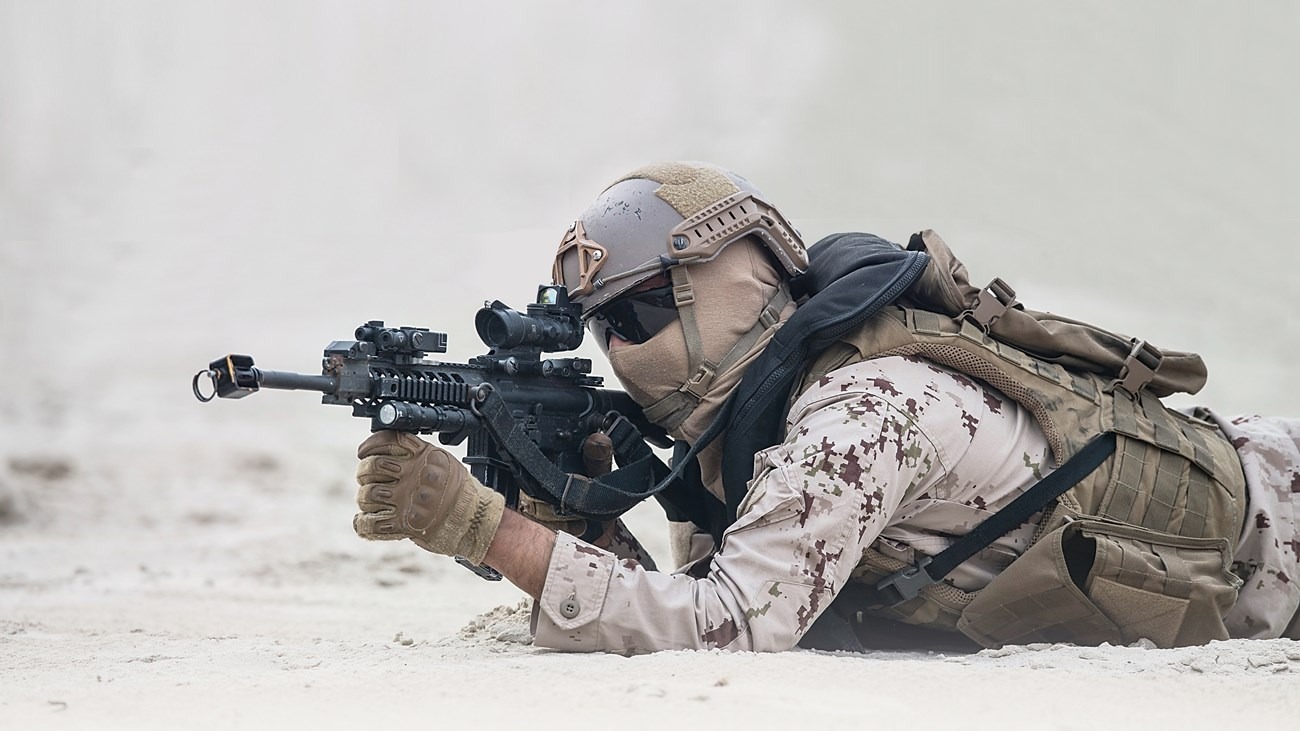
The ground forces form the backbone of the UAE’s defense system. They have developed the concept of “smart maneuvering,” based on speed of movement and accuracy of information, while modern armored systems, artillery platforms and ground reconnaissance systems are connected to digital command and control networks that allow real-time data exchange between different units.
The air force is one of the UAE’s most prominent elements of strategic deterrence, with multirole aircraft capable of carrying out long-range operations, in addition to providing precise air support to ground and naval forces.
The UAE’s air superiority is not limited to aircraft alone, but includes an integrated system comprising early warning, air defense systems and advanced command centers, while joint training with international partners helps refine the skills of Emirati pilots.
According to the report, the UAE lies along one of the world’s busiest maritime corridors, making maritime security a strategic issue that extends beyond its territorial waters.
The UAE naval forces have developed their capabilities to include multirole vessels, coastal surveillance systems and unmanned platforms, enabling them to secure maritime navigation, energy supplies and global trade routes.
The growth of national defense industries has been a pivotal strategic transformation in the development of the UAE Armed Forces, which no longer rely entirely on purchasing military systems but have become partners in developing and producing them.
This transformation has enhanced strategic autonomy and created an environment for technological innovation that contributes to the national economy, allowing the armed forces to obtain solutions tailored to their specific operational needs.
The agency added: “Despite the rapid development of military technology, the human element remains at the heart of military strength. This is why the UAE has invested heavily in military and academic training, from national military colleges to joint training programs with advanced armies around the world.”
In this context, national service, along with the policies that accompanied it to build societal readiness, marked a shift in the understanding of security and defense. It moved the armed forces from a model of a “separate institution” to one of an “institution integrated with society.”
The UAE Armed Forces have taken part in multiple missions since 1976, including the Arab Deterrent Force in Lebanon, the Peninsula Shield Force to liberate Kuwait in 1991, and Operation Restore Hope in Somalia, in addition to humanitarian and relief missions in Afghanistan, Iraq, Yemen, Syria, Turkey and Gaza.