The airport also handled around 399,600 tons of air cargo during the first quarter, clearly indicating its vital role in supporting global supply chains and international trade flows, in addition to being a pivotal center in the air cargo sector. This performance reflects Dubai’s importance as a major logistics hub connecting Asian, European, and African markets.
In terms of passenger movement by markets, India topped the list of main destinations with 2.5 million passengers, reflecting the strong economic and social ties and the large scale of population and tourism exchange between the two countries, further reinforcing this destination’s status as one of the key air routes from the airport in terms of demand volume.
Saudi Arabia came in second with about 1.3 million passengers, reflecting the continued intensity of regional travel movement, followed by the United Kingdom with around 1.2 million passengers, confirming the diversity of major markets the airport relies on for international travel and transit.
These combined results indicate continued positive momentum in Dubai’s aviation sector, despite regional challenges that affected the pace of growth in March 2026, with the airport managing to maintain relatively stable operational levels and demonstrating clear adaptability to operational and economic changes.
Observers view these figures as reinforcing Dubai’s status as a global aviation and air connectivity hub, particularly with the ongoing expansion of international destinations and the rising demand for travel through major regional air hubs, in addition to strengthening its role in global transit traffic.





 Messenger
 Whatsapp
 Threads
 Email
Email
 Print
Print
 X
X
 Facebook
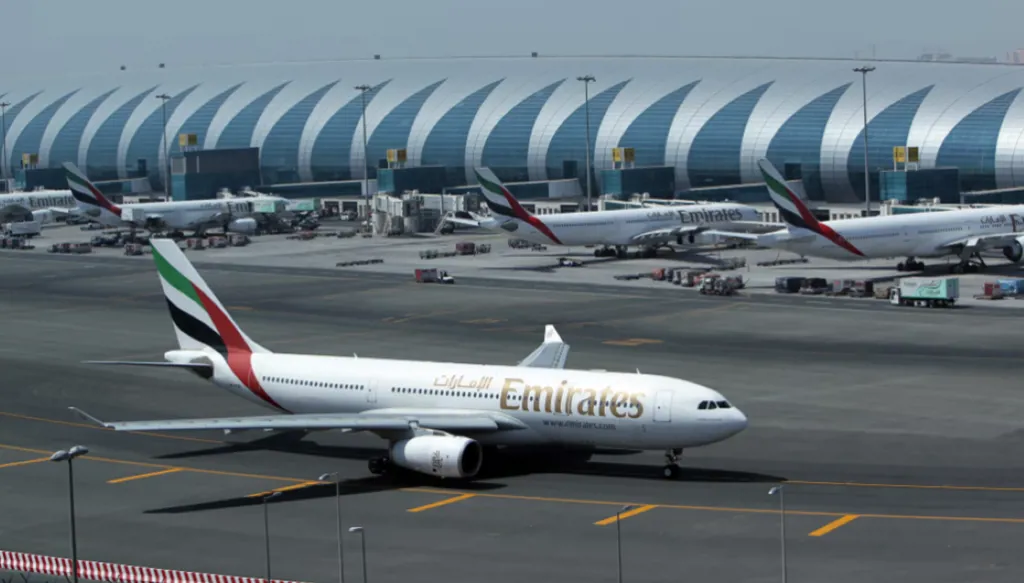


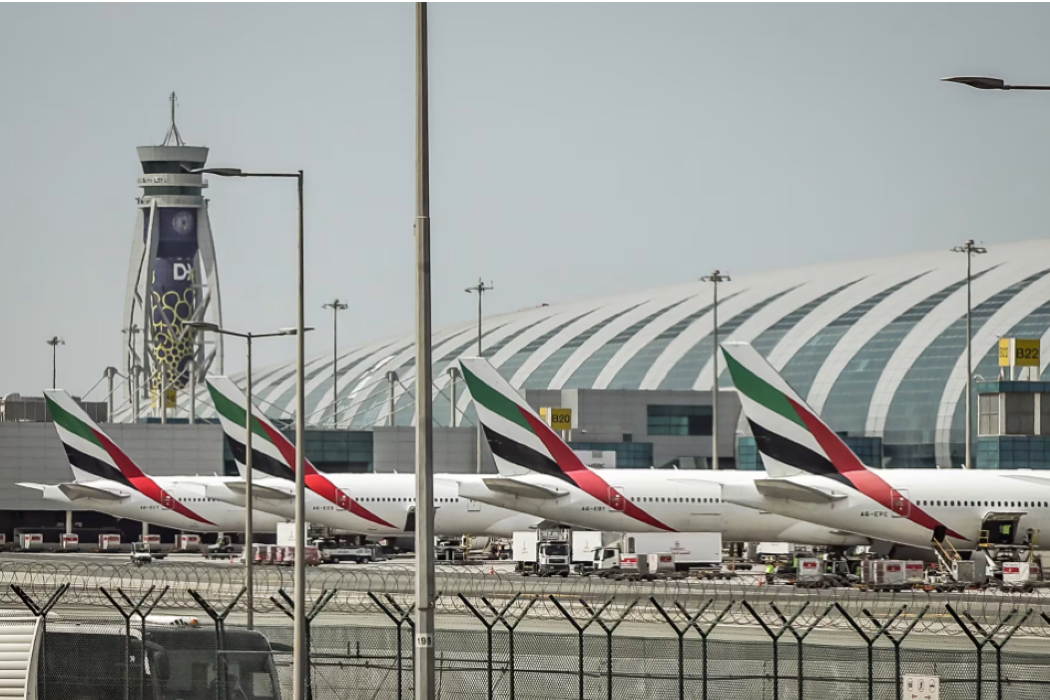 Dubai International Airport is one of the busiest airports in the world (AFP)