UAE signals strategic energy shift as rumors swirl over OPEC exit and production expansion plans
Amid speculation about a break from OPEC and OPEC+, Abu Dhabi highlights a long-term push for greater oil autonomy, higher output targets, and accelerated economic diversification.
Sultan Al Jaber, CEO of Abu Dhabi National Oil Company (ADNOC), said on Monday that the UAE’s decision to reposition its status in the global energy sector and withdraw from OPEC and the OPEC+ coalition is “not directed against anyone”.
Al Jaber added that this step serves the national interests of the UAE and its long-term strategic goals, giving it greater ability to accelerate investment and expansion and create value, while maintaining its status as a reliable and responsible partner in global energy markets.
Sultan Al Jaber.
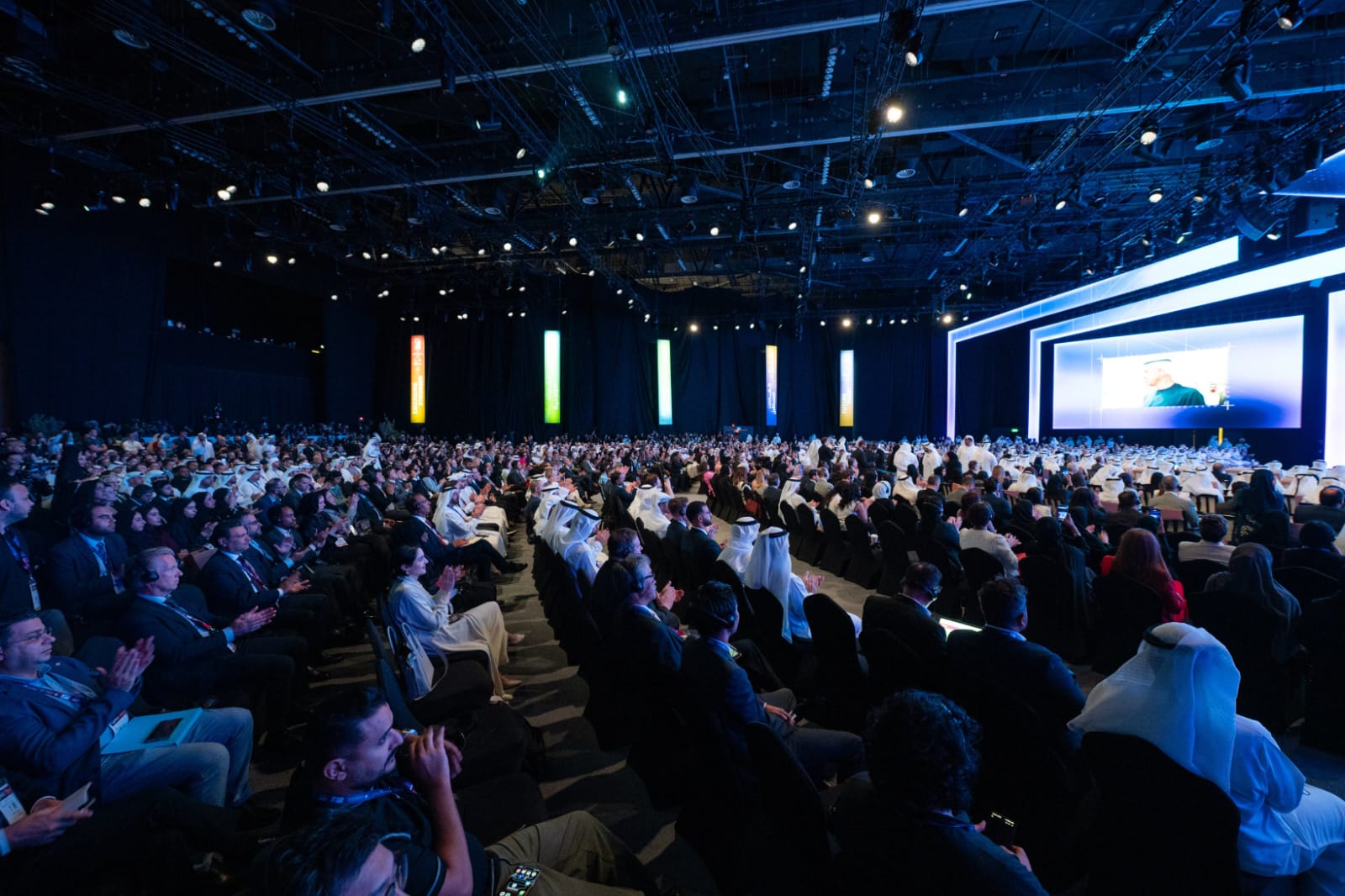
His remarks were made during the opening speech of the fifth edition of the Make it in the Emirates 2026 exhibition dedicated to industrial growth and investment, held at the Abu Dhabi National Exhibition Centre (ADNEC) from May 4 to 7.
The United Arab Emirates’s decision to withdraw from OPEC and the OPEC+ coalition came into effect on May 1, reflecting a strategic shift towards strengthening oil decision-making autonomy, especially as it aims to increase its production to around 5 million barrels per day by 2027, while accelerating the diversification of its economy with the non-oil sector constituting about 75% of the GDP.
OPEC Pavilion at the UN Climate Summit in Dubai, December 10, 2023 (AFP)
OAPEC, founded in 1968, comprises ten member countries after the UAE’s withdrawal, namely Kuwait, Libya, Saudi Arabia, Algeria, Bahrain, Egypt, Iraq, Qatar, Syria, and Tunisia.
The UAE had previously disagreed with OPEC regarding production quotas.
Saudi Arabia, Russia, and other countries in the OPEC+ coalition raised oil production quotas as expected on Sunday, in a move aimed at demonstrating continuity in the alliance despite the UAE’s withdrawal.
OPEC+’s unused reserves are primarily concentrated in the Gulf region, affected by Iran’s closure of the Strait of Hormuz since the beginning of the US–Iran war on February 28, and the US-imposed blockade on Iranian ports in response.





 Messenger
 Whatsapp
 Threads
 Email
Email
 Print
Print
 X
X
 Facebook
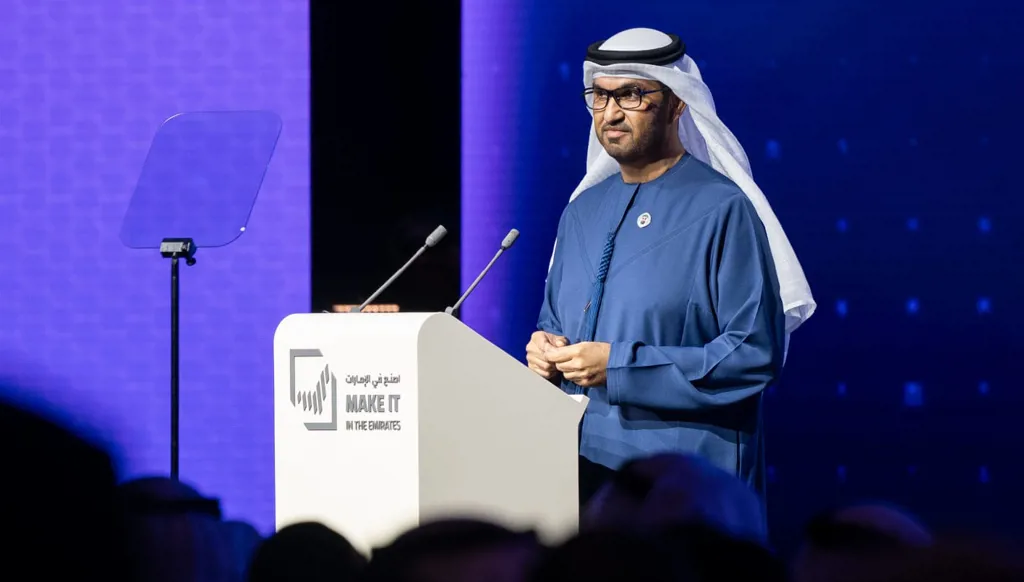


 Sultan Al Jaber.
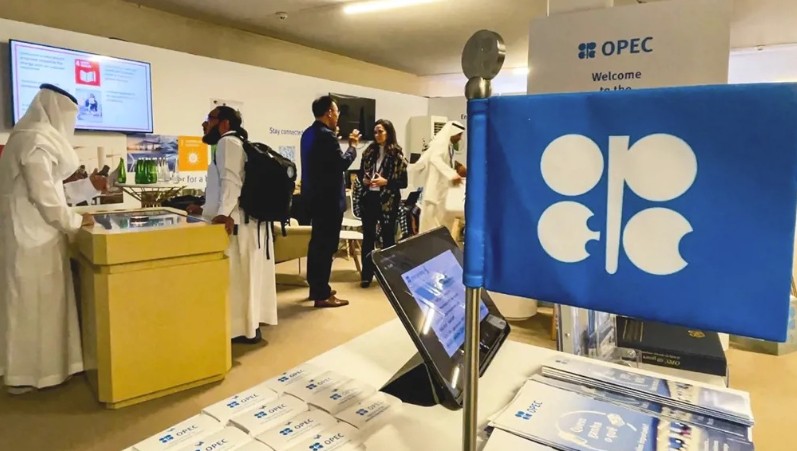 OPEC Pavilion at the UN Climate Summit in Dubai, December 10, 2023 (AFP)