

French and Saudi concerns over rushed Lebanon-Israel talks amid ongoing conflict
Diplomatic sources warn that symbolic summit proposals and premature reconstruction plans risk backfiring while Israeli operations in southern Lebanon continue and key security conditions remain unresolved.



 Messenger
 Whatsapp
 Threads
 Email
Email
 Print
Print
 X
X
 Facebook
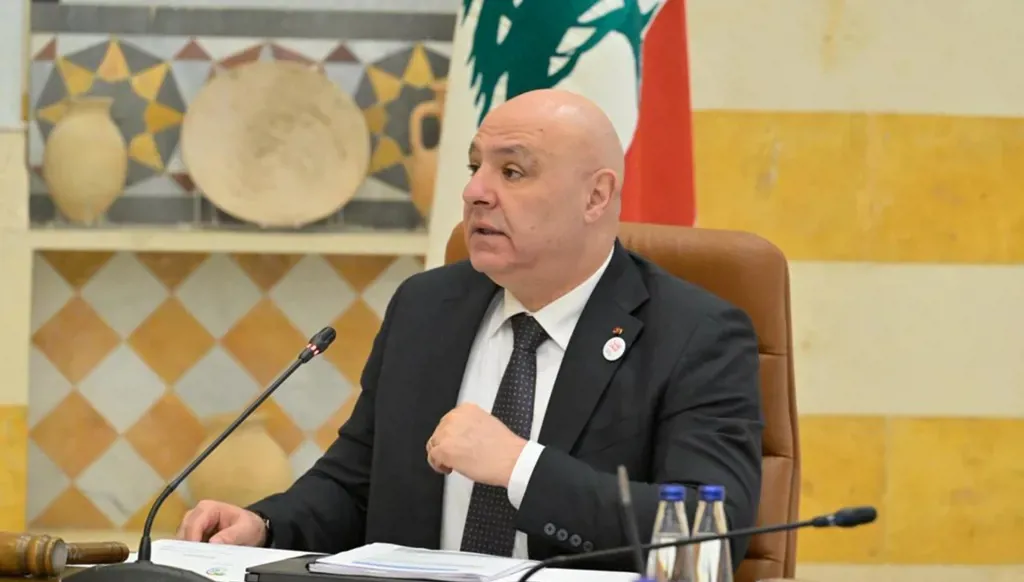


After the visit of the Saudi envoy, Prince Yazid bin Farhan, to Lebanon and his talks with Lebanese leaders, as well as the visit of French Foreign Minister Jean-Noël Barrot to Saudi Arabia as part of his Gulf tour, which also took him to the United Arab Emirates and Oman, it became clear to French diplomacy that Saudi Arabia is fully engaged in the Lebanese file and is seeking to help achieve internal peace and consensus among Lebanon’s three presidencies.
It is also working to persuade Parliament Speaker Nabih Berri of the need to coordinate with President Joseph Aoun and Prime Minister Nawaf Salam regarding peace negotiations between Lebanon and Israel.
Riyadh and Paris had already played a major role in persuading US President Donald Trump to pressure Israeli Prime Minister Benjamin Netanyahu to stop the war on Lebanon.
French President Emmanuel Macron contacted him on the day Israel launched a heavy attack on Lebanon on 8 April, and Saudi Crown Prince Mohammed bin Salman also called him. Saudi Foreign Minister Prince Faisal bin Farhan was in constant contact with his US counterpart Marco Rubio with the aim of de-escalating the Israeli war on Lebanon.
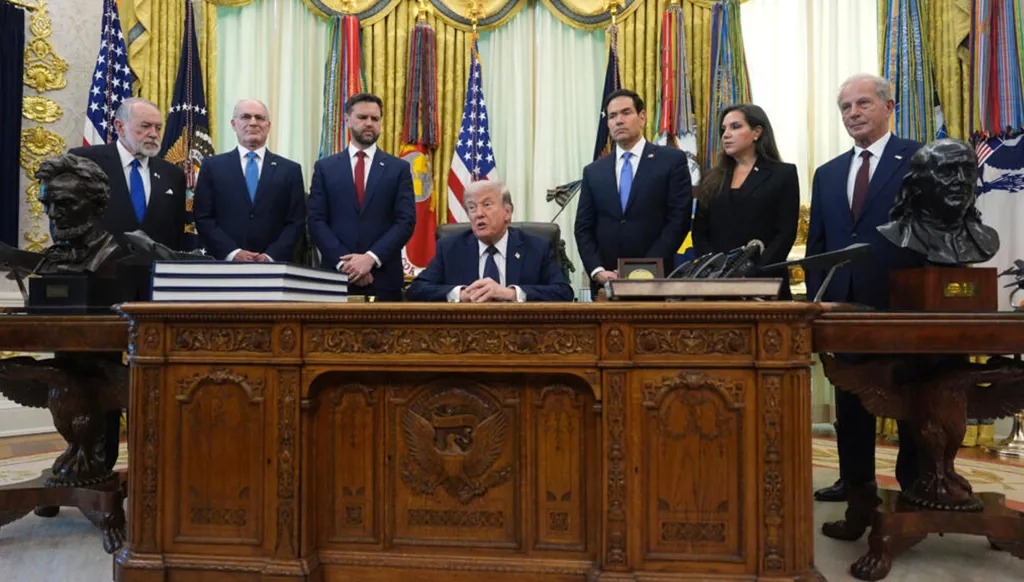
Annahar learned that Riyadh has stressed to the Lebanese side the necessity of moving forward with negotiations with Israel, but it is somewhat concerned about the American tendency to rush toward arranging a meeting between the Lebanese president and the Israeli prime minister, intended as a symbolic step to take a photo of the meeting and declare that peace has been achieved, after which the file would be left without further follow-up.
Paris and Riyadh share this concern, especially since in the absence of an Israeli withdrawal from Lebanon, a photo of Aoun and Netanyahu could be costly for the Lebanese side.
On the other hand, when the American side hears that speeding up the organization of a meeting between Aoun and Netanyahu is not useful, it responds to the French by saying that waiting for the Lebanese to take the required steps means delaying matters without reaching a solution.
In addition, French sources rule out the possibility of an Israeli withdrawal in the midst of an electoral campaign in Israel. They consider the situation extremely complex and believe that talk of a conference to support the army and reconstruction in Lebanon is premature as long as the Israeli army remains in the south, villages continue to be bombed, and displacement is ongoing.
They also say that it is not possible to mobilize international support for the army while the disarmament of Hezbollah has not yet been completed.
Disclaimer: The opinions expressed by the writers are their own and do not necessarily represent the views of Annahar.