Rheum ribes of Ainata: Lebanon’s “Green Gold” hidden in the 2,000-meter highlands
A journey into the Baalbek mountains reveals how a wild highland plant becomes food, medicine, and livelihood for local families living above the clouds.
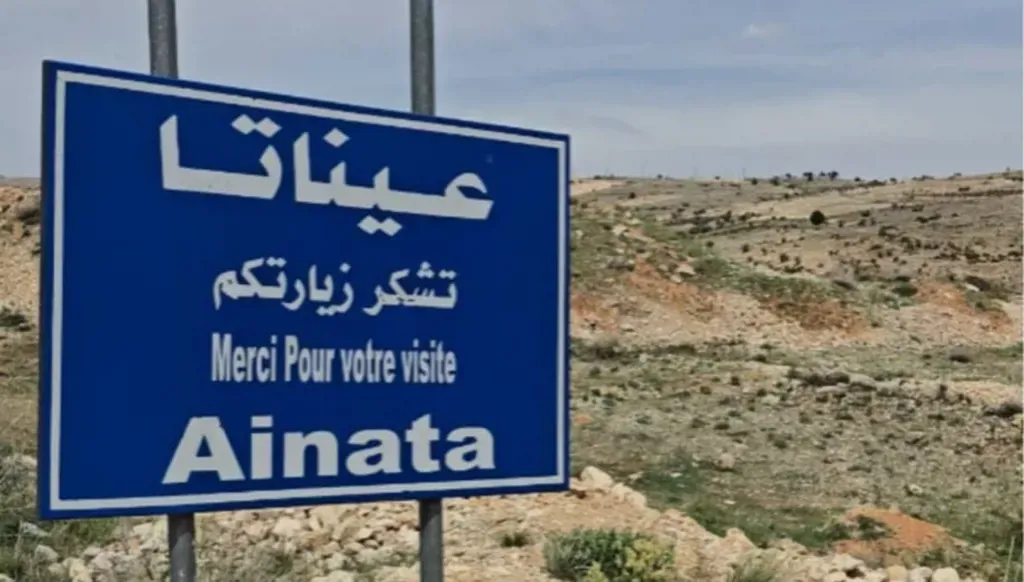
When you reach the blue sign of “Ainata” (Baalbek district), you don’t need a map to know you’re in the presence of “green gold.”
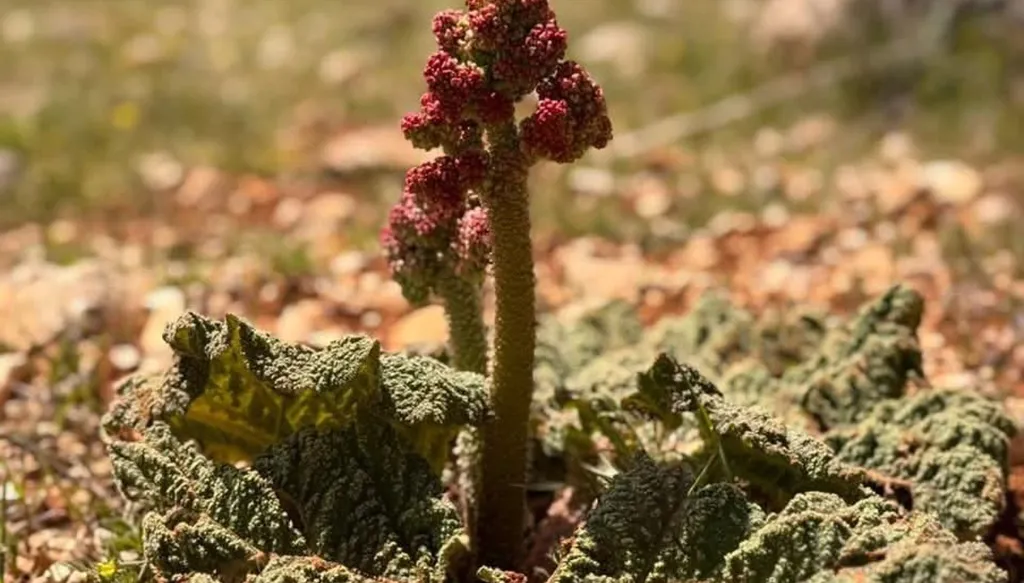
There, at a high altitude among the clouds (2,000 meters above sea level), you notice the Ribes plant nestled just behind the sign, as if officially welcoming anyone setting foot on the highlands.
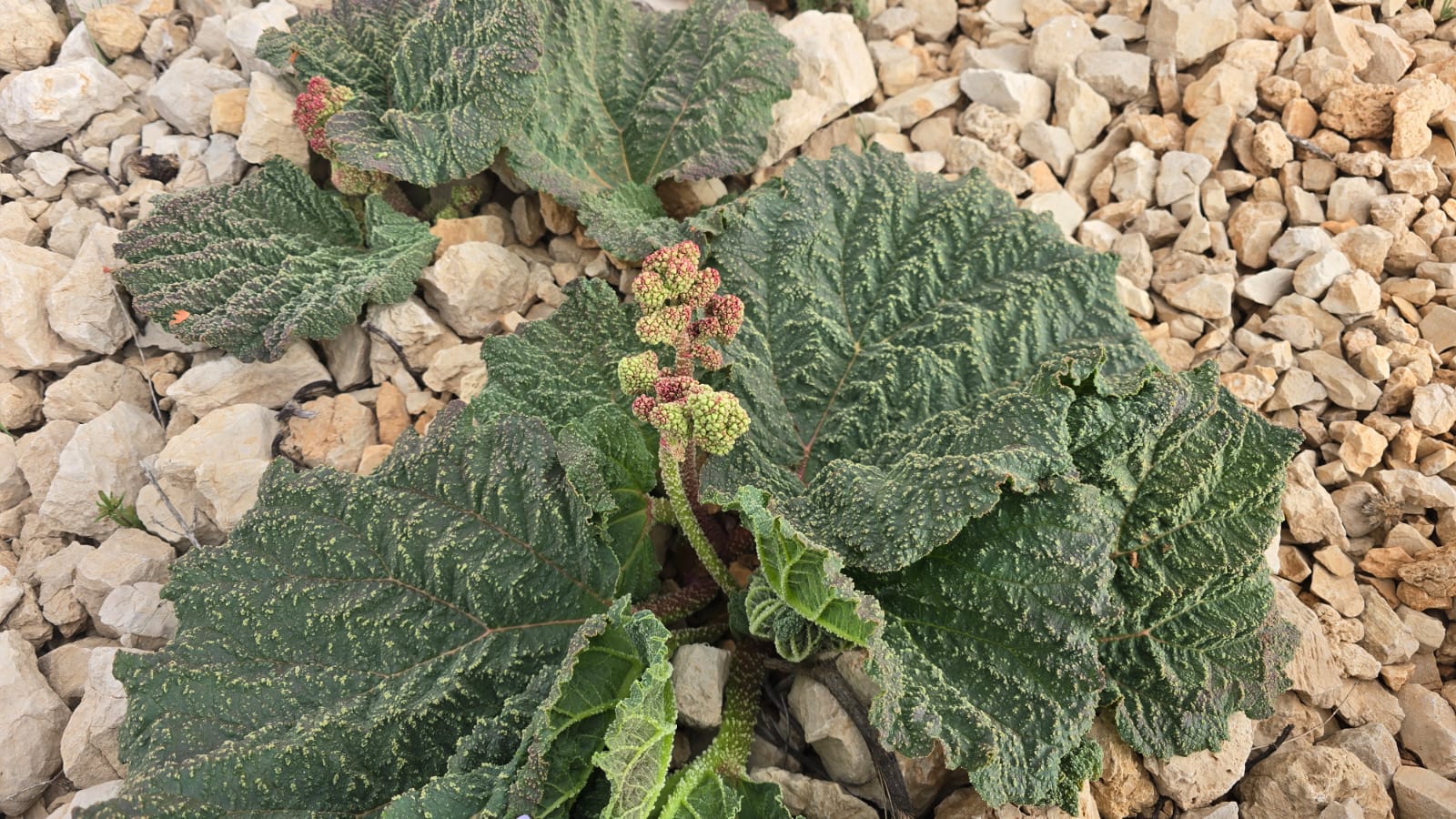
As soon as your feet touch the highland ground, you can spot the Ribas plant peeking between the rocks, like a guardian of heritage entrusted by the snow in the womb of the earth.
We spent a full day not just as observers, but as part of an annual “epic” written by the residents of Ainata and its visitors with effort and sweat. The mountain, recently freed from the grip of snow, revealed its hidden treasure, “Ribes.”
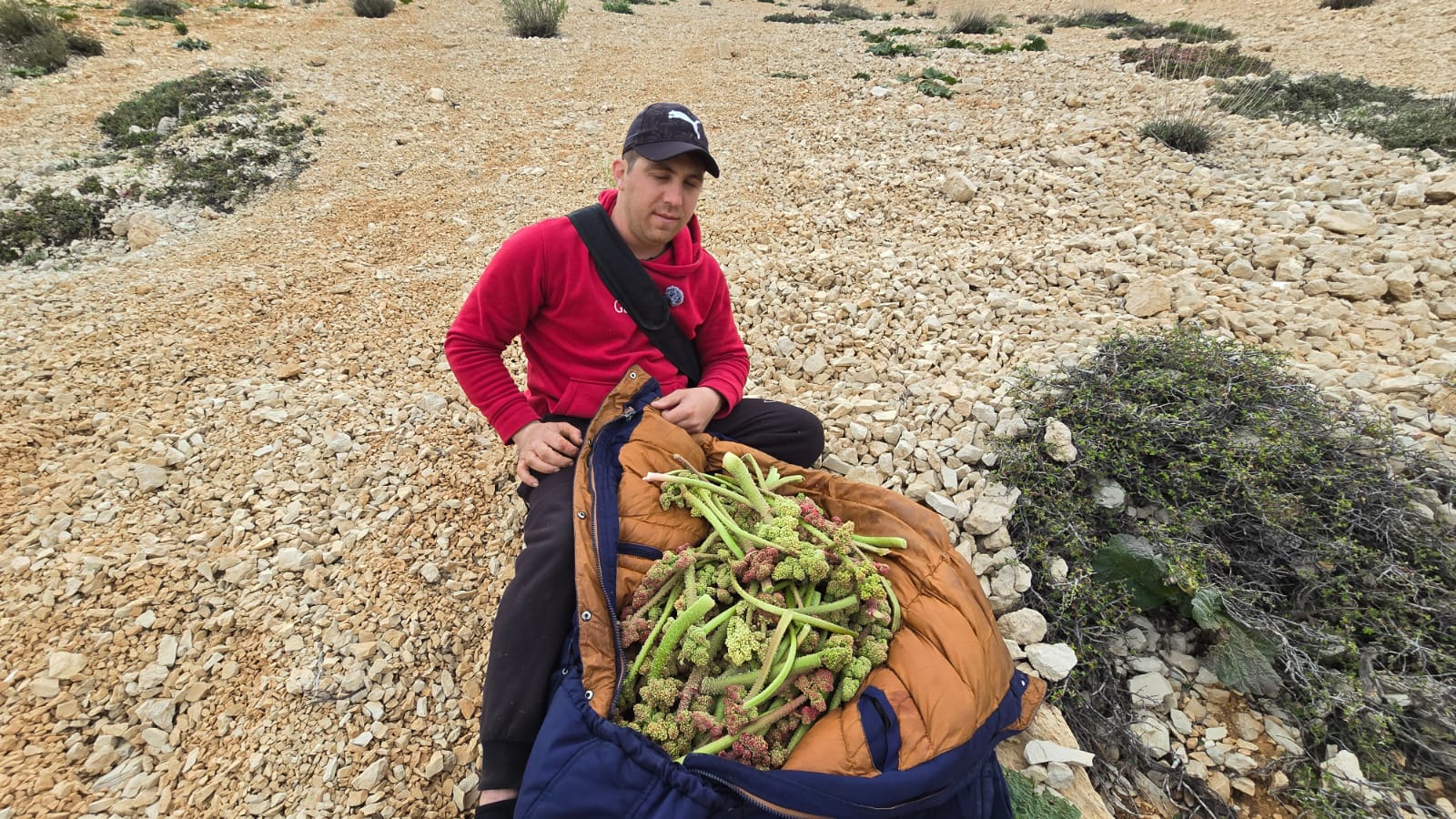
4x4 vehicles carve through the rough roads, and entire families spread among the rocks like beehives—some picking to fill their tables, while others, the “porters,” gather it for sale, battling the rugged terrain to turn the “gift of snow” into lawful income.
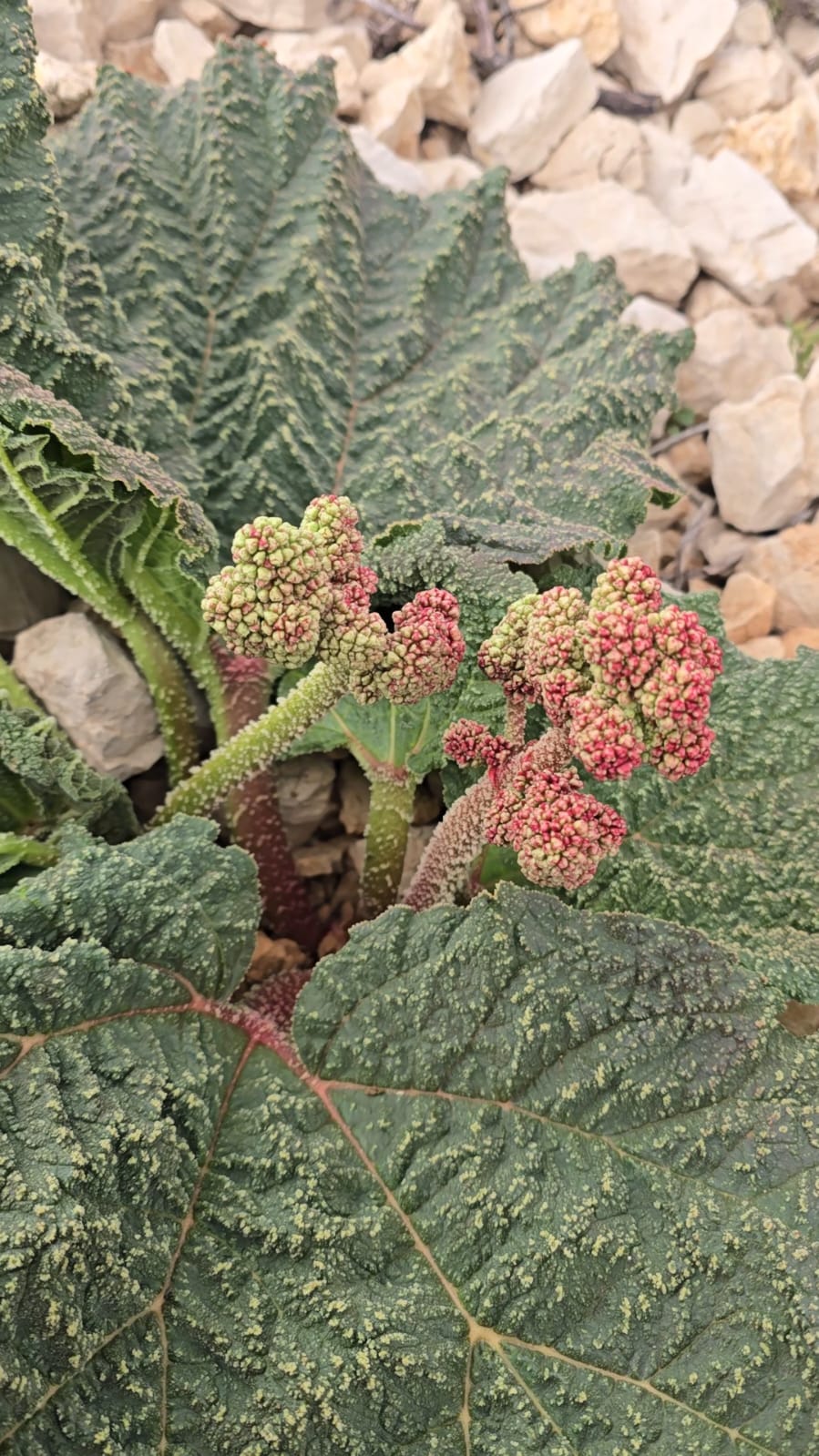
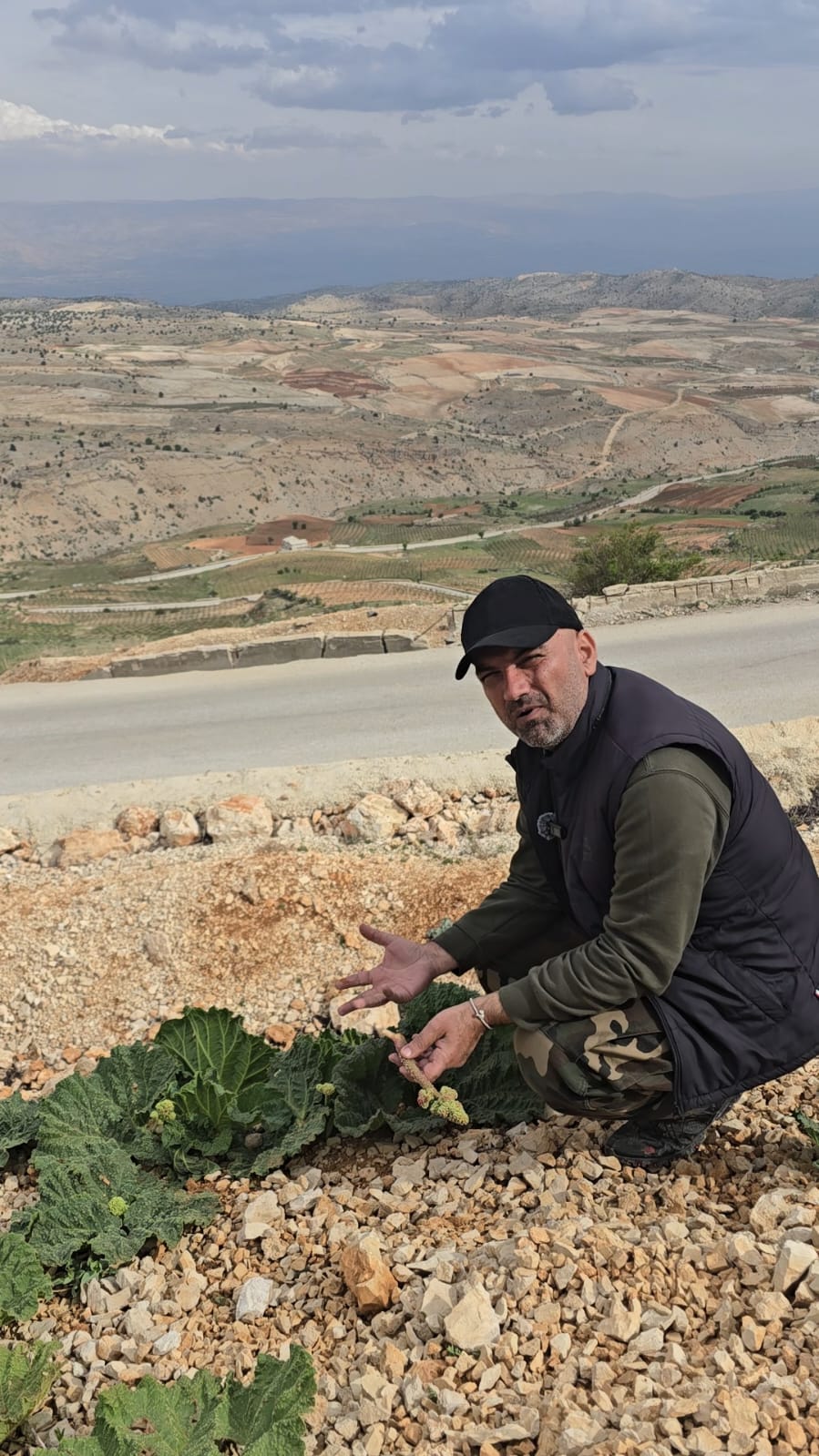
Rheum ribes (Annahar)
Rheum ribes. (Annahar)
In the heart of this beautiful frenzy, the founder and president of the Darb Al Ain Association, Tony Saadeh, held the plant like a jewel, traces of the mountain’s soil still on his hands, explaining its secrets known only to the highlanders: “This is Ribes, also known as ‘Ribes Root.’ You’ll notice its leaves wrap around the fruit to protect it, and we harvest it this way.”
Tony Saadeh (Annahar)
With expert movement, he peeled the slender “leaf,” hearing the crackling sound as the tender plant separated from its shell, then continued, extending a piece: “It’s peeled this way; after peeling, some prefer to eat it as is, while others add sugar or salt. It’s very tasty.”
The experience wasn’t just about tasting a sour flavor that “electrifies” and awakens the senses; it was a lesson in nature’s pharmacy. Saadeh continued, pointing to the roots clinging to the moist soil: “We use the leaves and stalks to make ‘Ribes Drink,’ known for its unique and delicious taste, while the roots below are used to treat cholesterol and stomach and intestinal pain; it is true herbal medicine.”
A few steps away, young Hussein Shehadeh from Baalbek embodied the annual anticipation for this crop. With a smile that overcame the fatigue of climbing and eyes sparkling with satisfaction over his harvest, he said: “We wait for this season year after year because our children love Ribes very much.”
Hussein, who came to share the taste of the mountain with his family and friends, didn’t forget to invite every stranger with a tone brimming with generosity: “Anyone who hasn’t tasted Ribes yet, let them visit Ainata to try it and see for themselves how delicious it is, and I pray that God preserves the generous people of Ainata who shower kindness on these good people.”
Hussein Shehadeh (Annahar)
We left the highlands, the blue sign shrinking in the car’s mirror, but the taste of “green gold” remained under the tongue, and the memory of that day at an altitude of 2,000 meters stayed etched like a mountain tattoo.
There, where Ribes is not just a plant, but a story of survival, the earth’s generosity, and a gift that comes only to those who dare to ascend the peaks.





 Messenger
 Whatsapp
 Threads
 Email
Email
 Print
Print
 X
X
 Facebook