Messenger
 Whatsapp
 Threads
 Email
Email
 Print
Print
 X
X
 Facebook
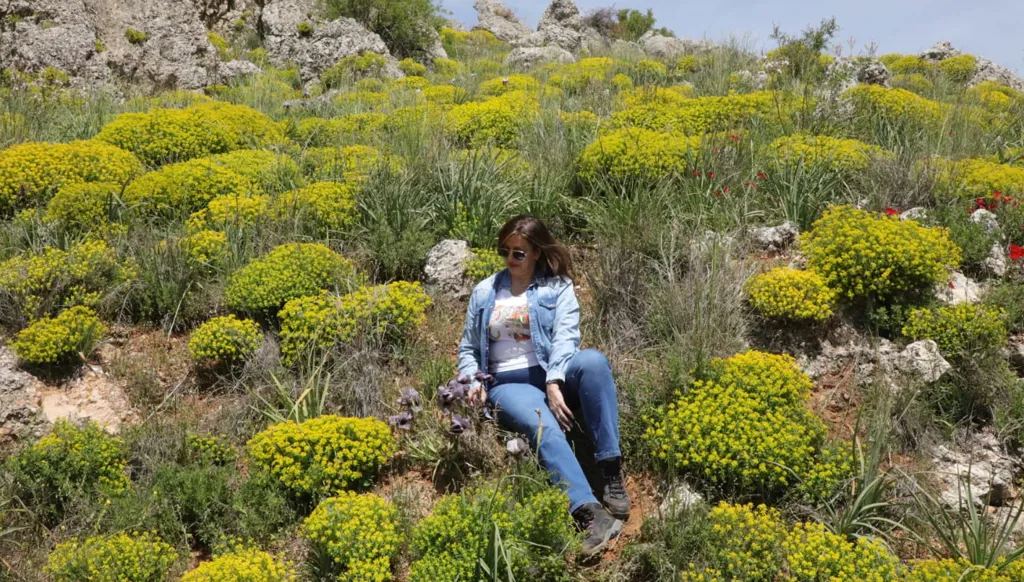


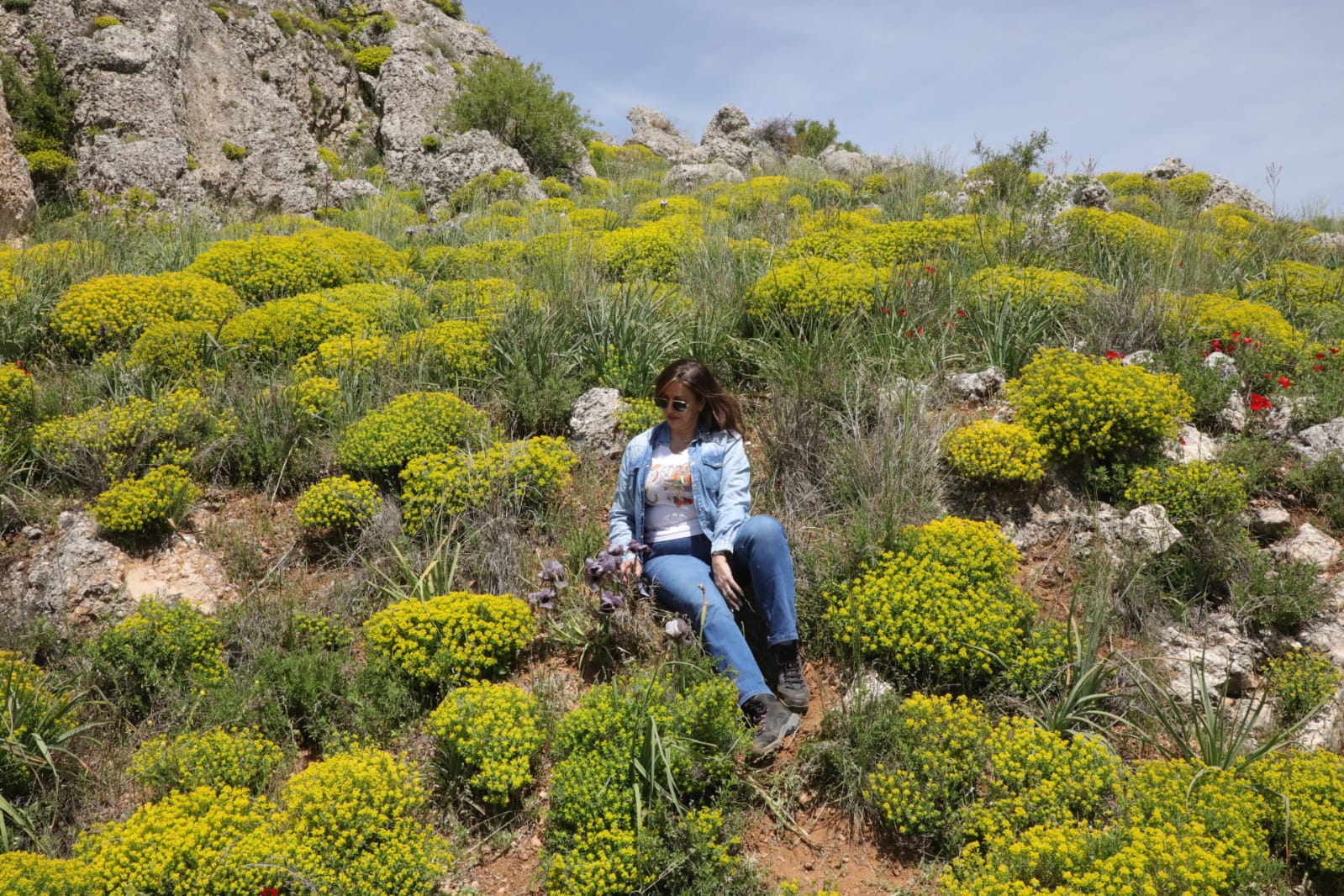
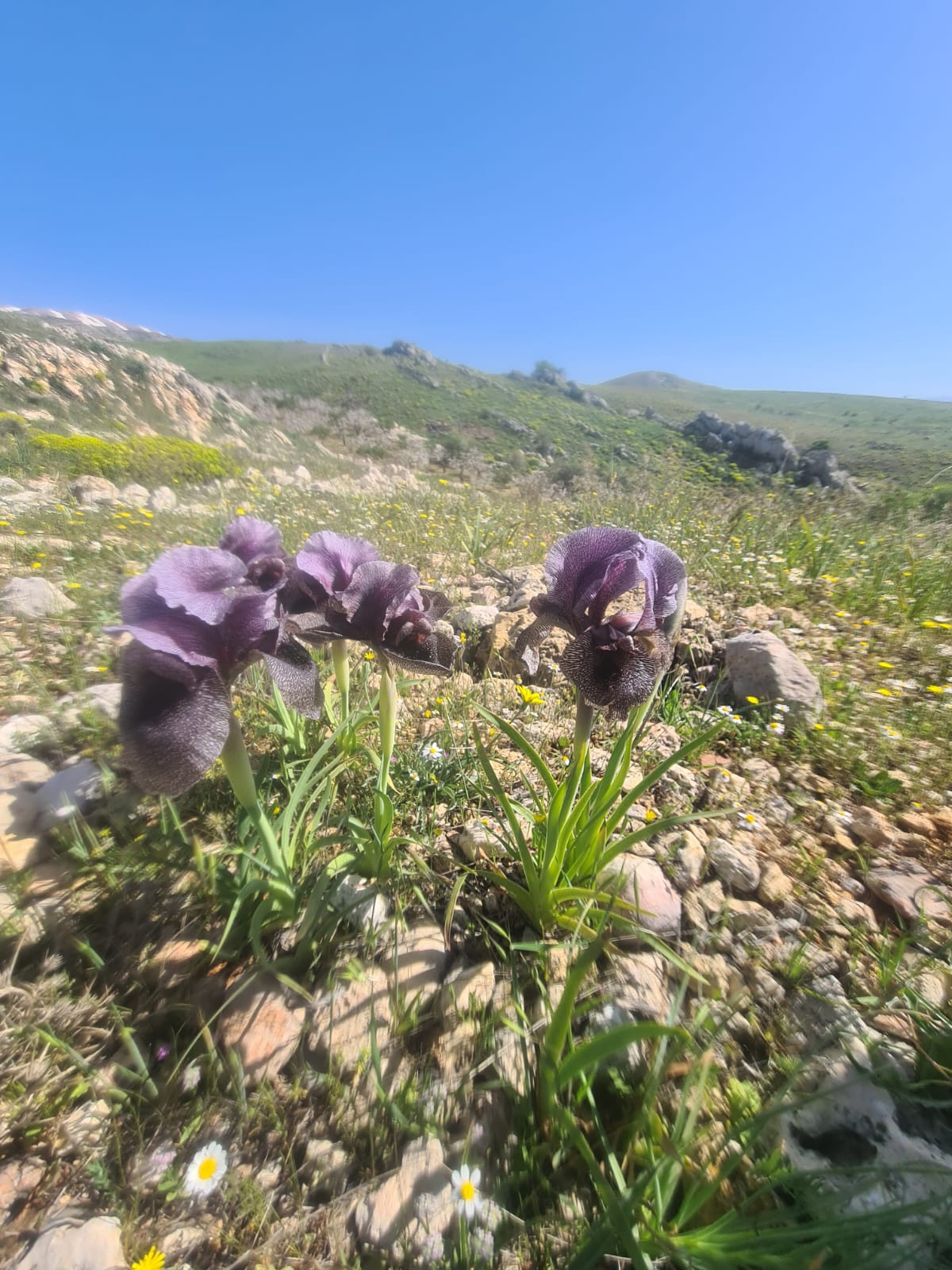
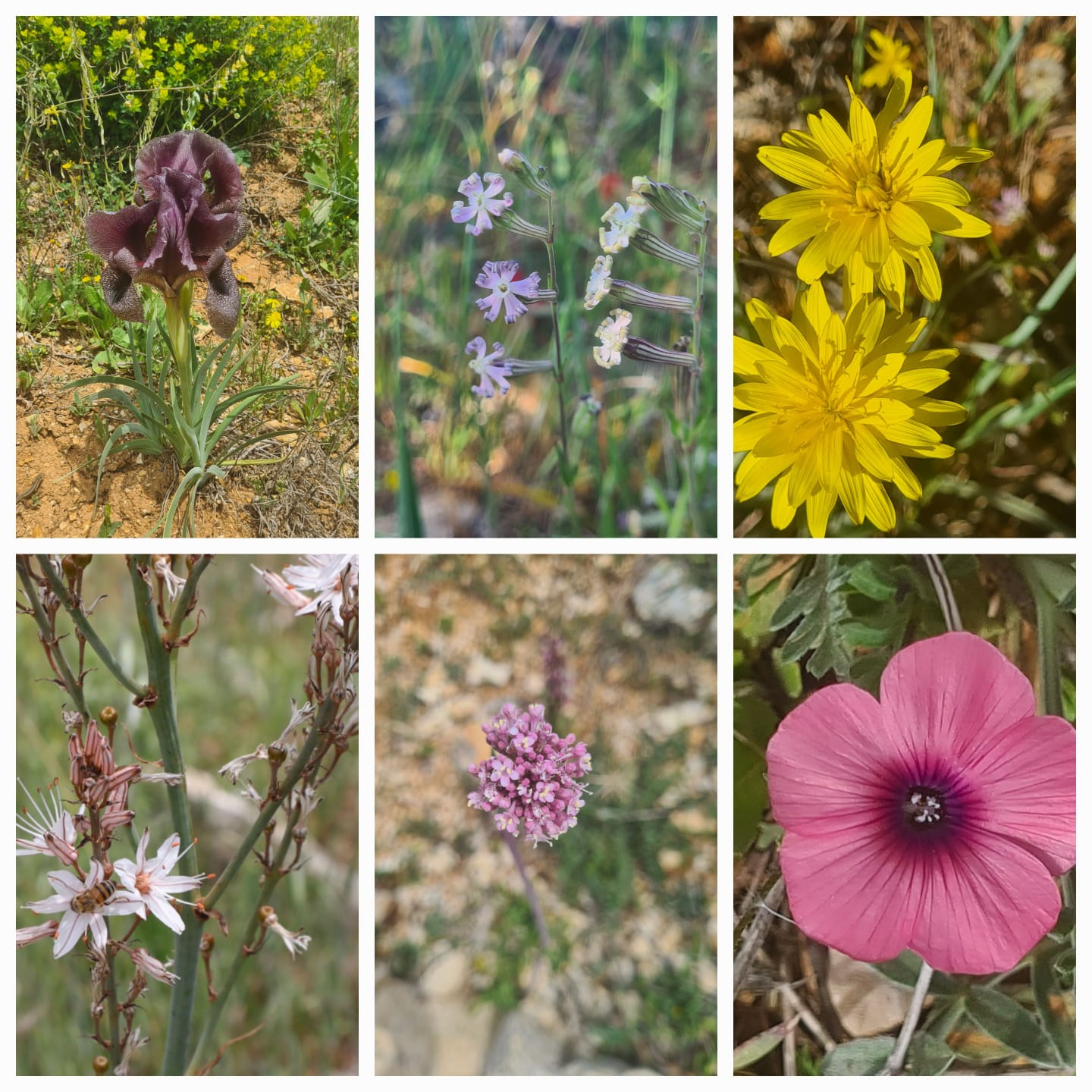
Spring invites people to head out into nature, which it adorns with countless shades of color, at least 2,600 documented types of wild flowering plants across Lebanon’s 10,452 square kilometers. This highlights the remarkable richness of biodiversity in this small country, especially when compared with nations many times its size.
Despite its small size, Lebanon also plays an important role in the world’s natural heritage, as it is the original habitat of 92 species of wild flowering plants.
Joelle Breidy, manager of the National Gene Bank at the Agricultural Scientific Research Institute in Tal Amara, describes this biodiversity as a global heritage, comparable to Baalbek and as iconic to Lebanon as the cedar tree. She explains that every plant has its own unique characteristics and that the risks threatening them must be reduced, especially those caused by humans.
The call of spring is not to be ignored, nor is the duty to respect nature. During your trips, avoid damage and excessive picking, and allow plants the chance to reproduce and renew themselves so we can preserve the species that make Lebanon unique, as Breidy urges.
The Agricultural Scientific Research Institute began efforts to preserve Lebanon’s plant heritage in 1996, in cooperation with the Royal Botanic Gardens, Kew, with the aim of documenting Lebanon’s wild flowering plants and conserving their seeds.
Within this framework, the National Gene Bank was established in 2013. Its team has since added nine plant species to Lebanon’s plant record that had been overlooked in previous references.