On World Press Freedom Day, a troubling picture emerges: freedom of expression is retreating on two parallel fronts—the first in the physical world, where journalists are being killed, and the second in the digital sphere, where women, particularly female journalists, face increasingly sophisticated forms of violence and silencing.
The dangers on the ground continue to claim lives. In southern Lebanon, journalists have been killed while covering clashes since October 2023, raising serious concerns about the targeting of media personnel in conflict zones. Amal Khalil was the latest victim, targeted alongside journalist Zainab Faraj in the southern town of Al-Tiri.
According to the Committee to Protect Journalists, 129 journalists were killed worldwide in 2025, including 86 in Gaza, while Sudan and Ukraine were also among the deadliest arenas.
Screen Violence
A joint report by UN Women, The Nerve, and its partners reveals a troubling escalation in digital assaults. Twelve percent of women human rights defenders and journalists reported the non-consensual publication of personal images, including intimate or sexual content. Six percent reported being targeted by “deepfake” technology, while one in three women received unwanted sexual harassment through digital messages.
According to the report, this violence is not random but often deliberate and coordinated, aiming to silence women engaged in public life and to undermine their professional credibility and personal reputations. This strategy is becoming a tangible reality: 41 percent of surveyed women said they practice self-censorship on social media, while 19 percent reported restricting their professional work as a result of this violence.
Self-Censorship
For female journalists, the indicators appear even more alarming. In 2025, 45 percent reported practicing self-censorship on digital platforms—an increase of 50 percent compared to 2020—while about 22 percent admitted to self-censoring their own journalistic work.
In contrast, a growing trend toward legal confrontation is emerging. The likelihood of female journalists reporting digital violence to the police has doubled to 22 percent compared to 2020, while those who initiated legal proceedings has risen to 14 percent, reflecting increased awareness and determination to hold abusers accountable.





 Messenger
 Whatsapp
 Threads
 Email
Email
 Print
Print
 X
X
 Facebook
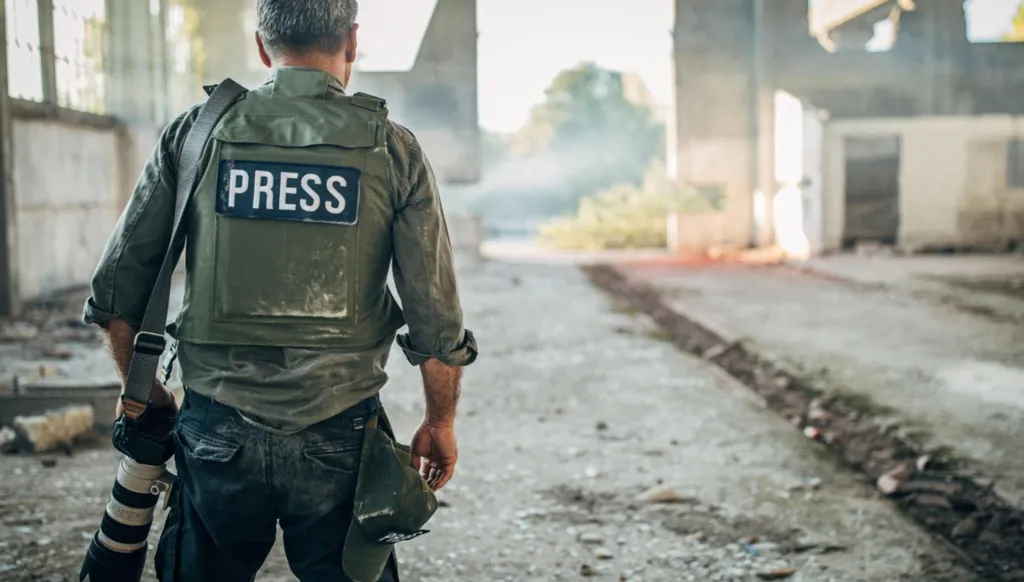


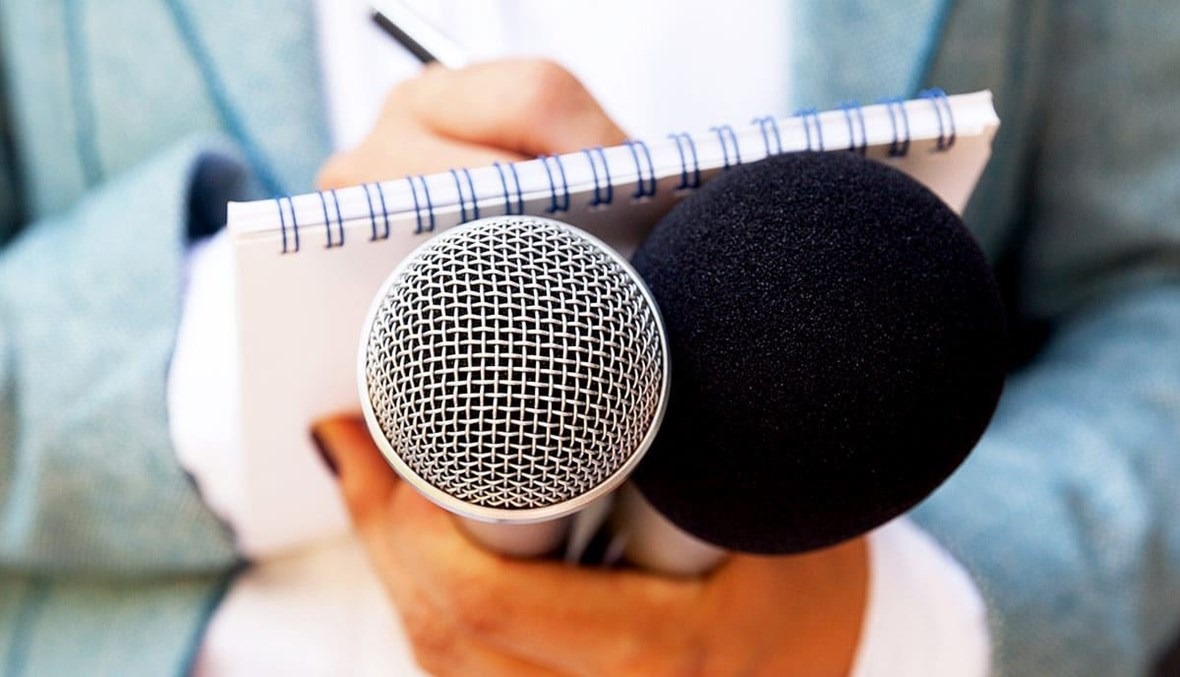 Press. (Illustrative image)