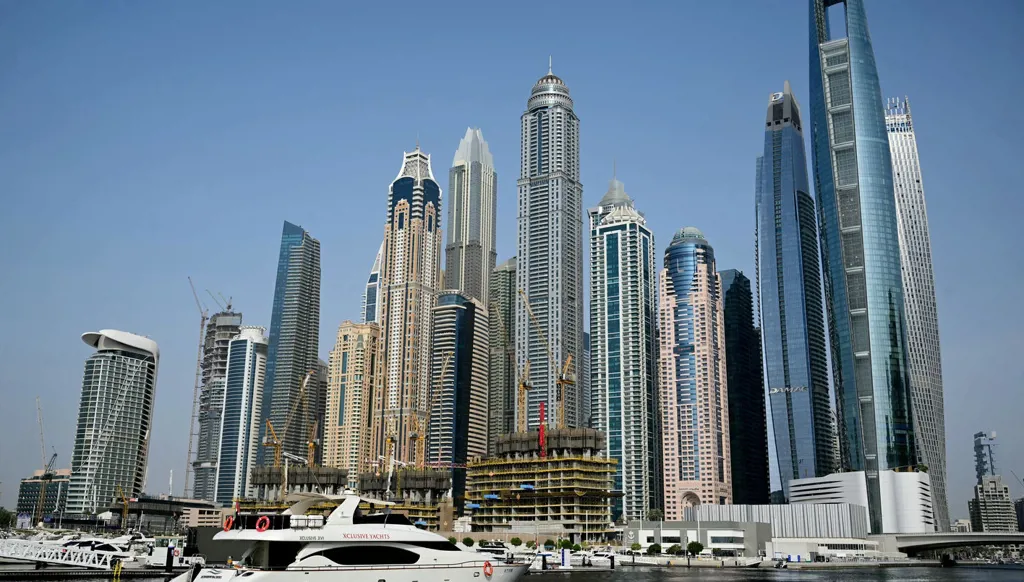
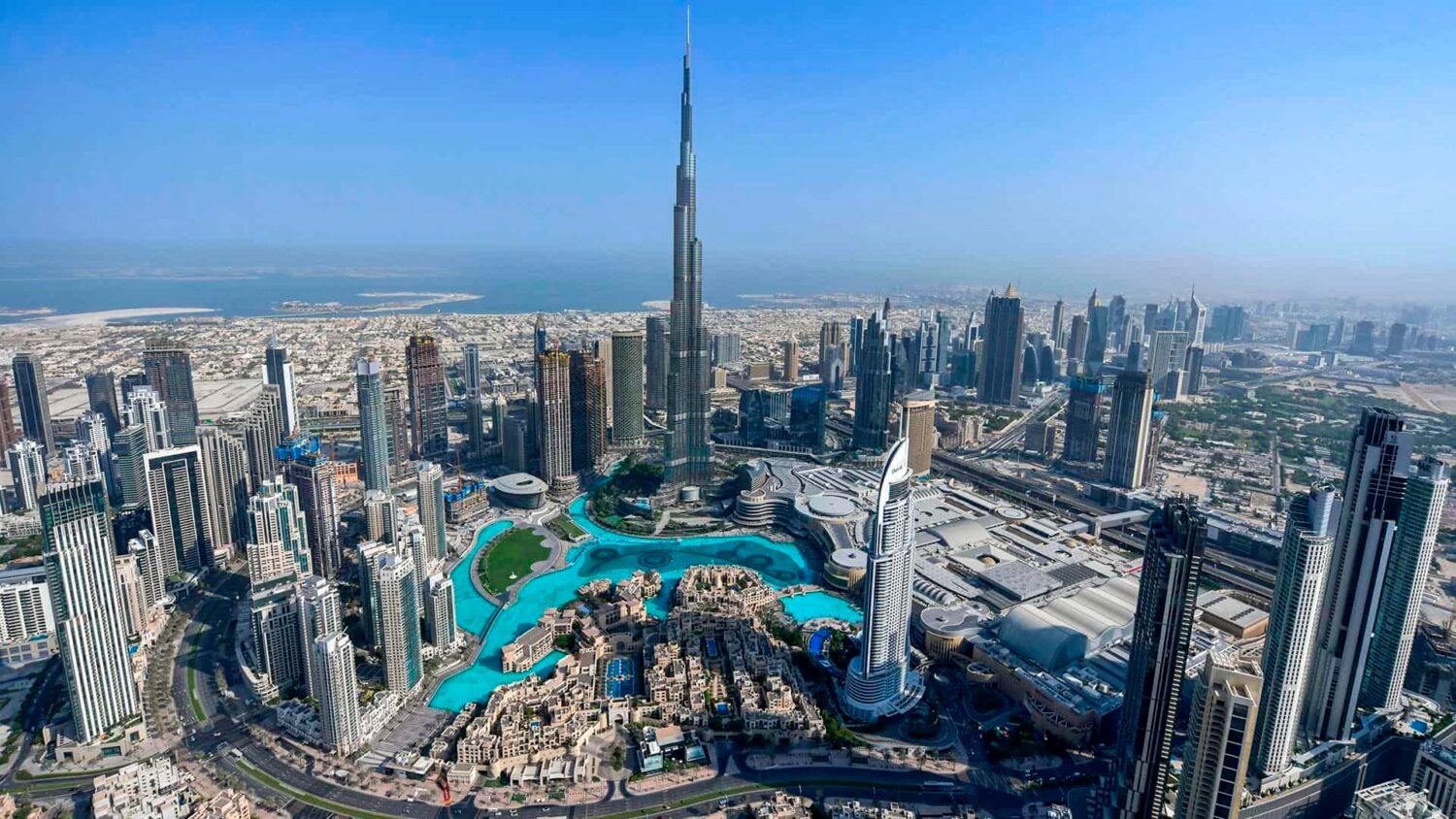
Comparisons presented by Knight Frank indicate that markets recording increases exceeding 15% to 20% over short periods are later more prone to price corrections, particularly if this growth is not supported by strong population growth or stable domestic demand.
These comparisons suggest that rapid growth, despite being an indicator of short-term market strength, may become a pressure factor if it is not balanced by fundamental economic factors.
On the other hand, the luxury real estate sector in Dubai continues to perform more strongly than the market average, with its sales rising at times by up to 25% compared to mid-range projects, widening the price gap within the market between different segments and increasing the disparity in growth dynamics.
As for risks, the significant reliance on external demand, which can reach about 50% of the market at certain periods, makes the sector more susceptible to global interest rate effects and geopolitical changes, potentially leading to sharp fluctuations if international economic conditions change. Any global monetary tightening or slowdown in investment flows may quickly impact liquidity levels in the local market.
In light of these indicators, Knight Frank emphasizes that the sustainability of real estate growth depends on maintaining a balance between real and investment demand.
Continued growth ranging from 10% to 20% without sustainable demographic and economic support may increase the likelihood of subsequent correction cycles, making the current phase a strong expansion phase that requires maintaining growth balance to avoid future imbalances or sharp price fluctuations.





 Messenger
 Whatsapp
 Threads
 Email
Email
 Print
Print
 X
X
 Facebook