Iran sends 14-point peace proposal to U.S. as tensions escalate over regional war strategy
Tehran pushes for full U.S. withdrawal, sanctions relief, and a phased diplomatic roadmap—while Washington signals skepticism and keeps military options on the table.
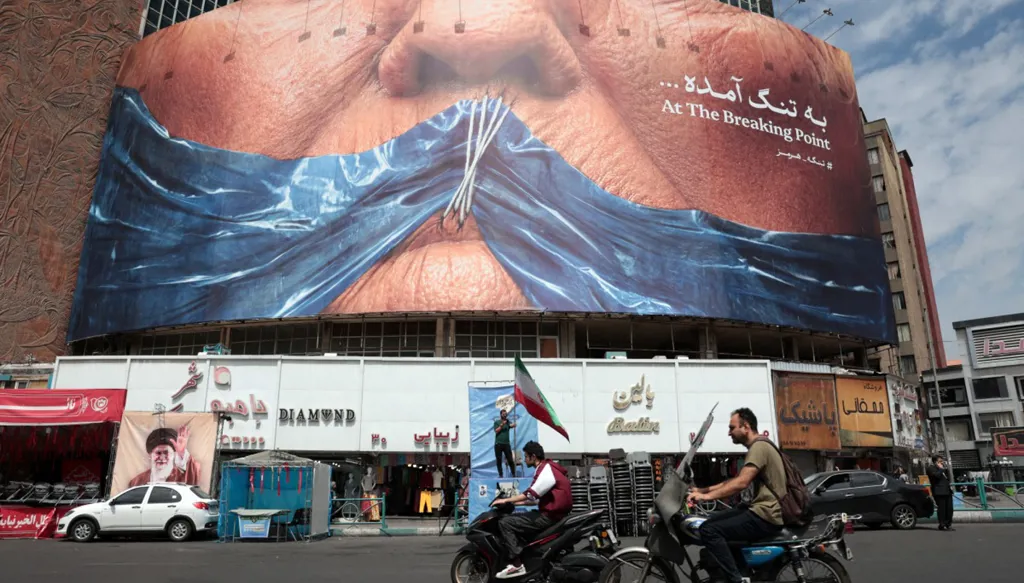
An anti-U.S. billboard featuring President Donald Trump and the Strait of Hormuz. (AFP)
The Iranian news agency Tasnim announced today, Saturday, the details of a 14-point proposal submitted by Iran to the United States to end the war.
Tasnim stated that the proposal consists of 14 points, calling for a permanent end to “hostilities” and the full withdrawal of American forces from the region. The agency added that the plan was delivered through Pakistani intermediaries in response to a nine-point American proposal.
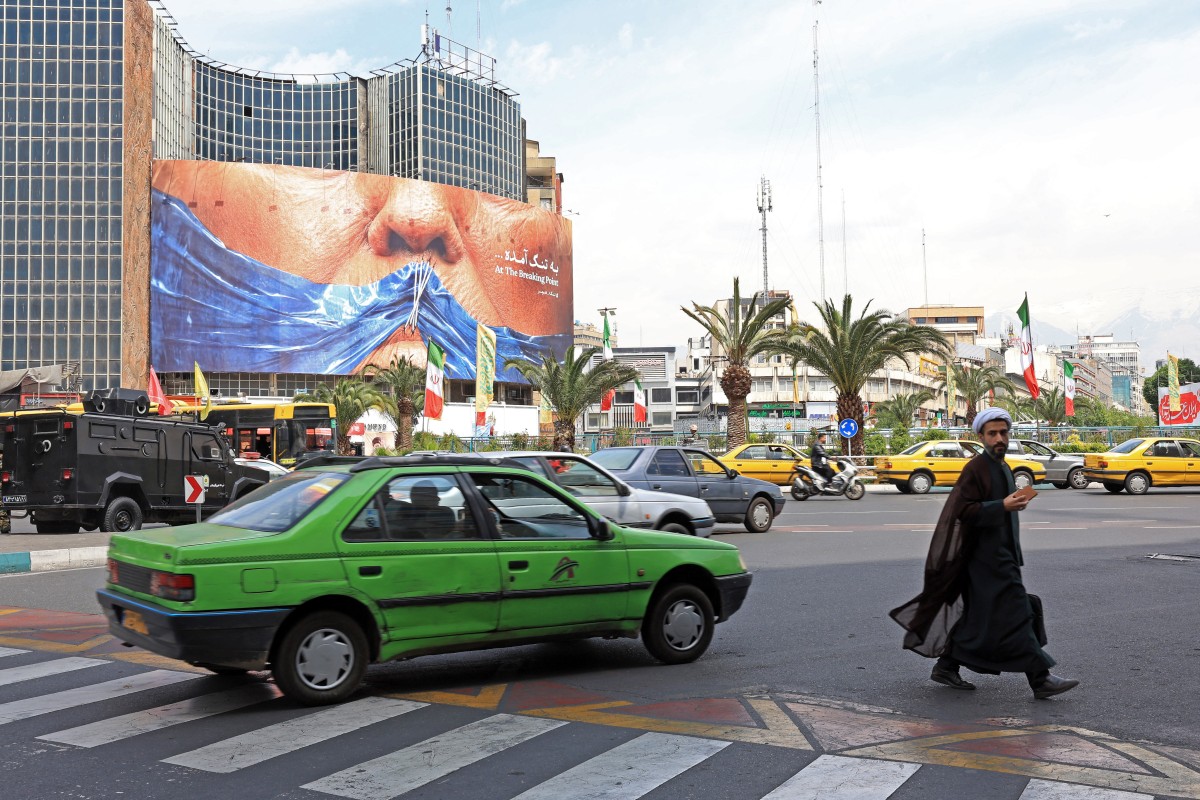
An Iranian cleric walks past an anti-U.S. billboard showing President Donald Trump and the Strait of Hormuz. (AFP)
Tasnim pointed out that while Washington’s plan calls for a two-month ceasefire, Tehran is pushing for a 30-day timeline to resolve key issues, insisting that talks focus on “ending the war” rather than a temporary truce.
Iran’s demands include the withdrawal of U.S. forces from areas near its borders and guarantees against aggression, along with economic measures such as lifting the naval blockade, releasing frozen Iranian assets, easing sanctions, and providing compensation.
The proposal also calls for ending hostilities on multiple fronts, including in Lebanon, and for establishing a new governance mechanism for the Strait of Hormuz.
According to Tasnim’s report, Iran is awaiting an official response from U.S. officials to the proposal.
An Iranian senior official said on Saturday that Tehran’s proposal—rejected so far by U.S. President Donald Trump—includes opening the Strait of Hormuz to navigation and ending the U.S. naval blockade on Iran, while postponing negotiations on the nuclear program to a later stage.
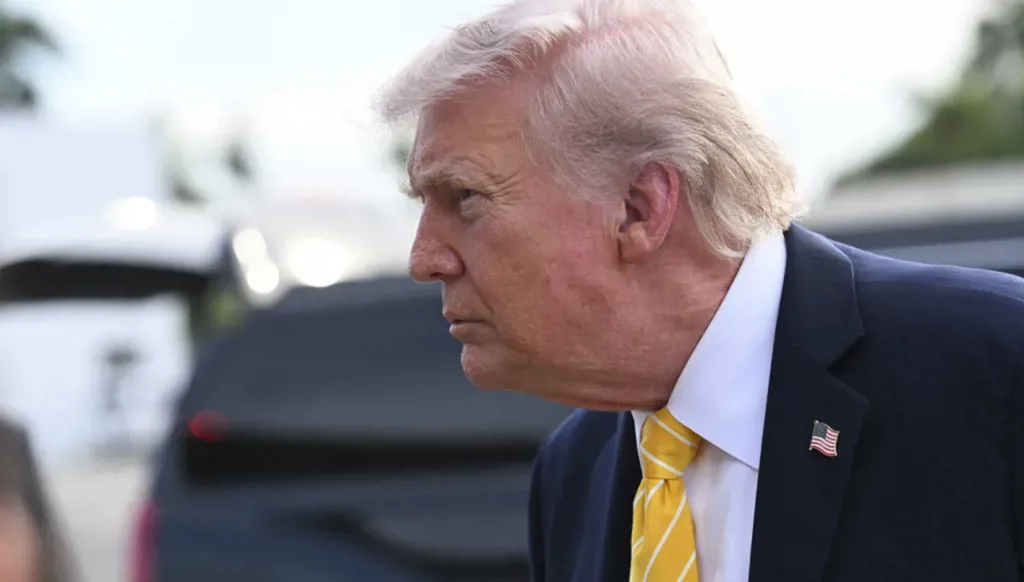
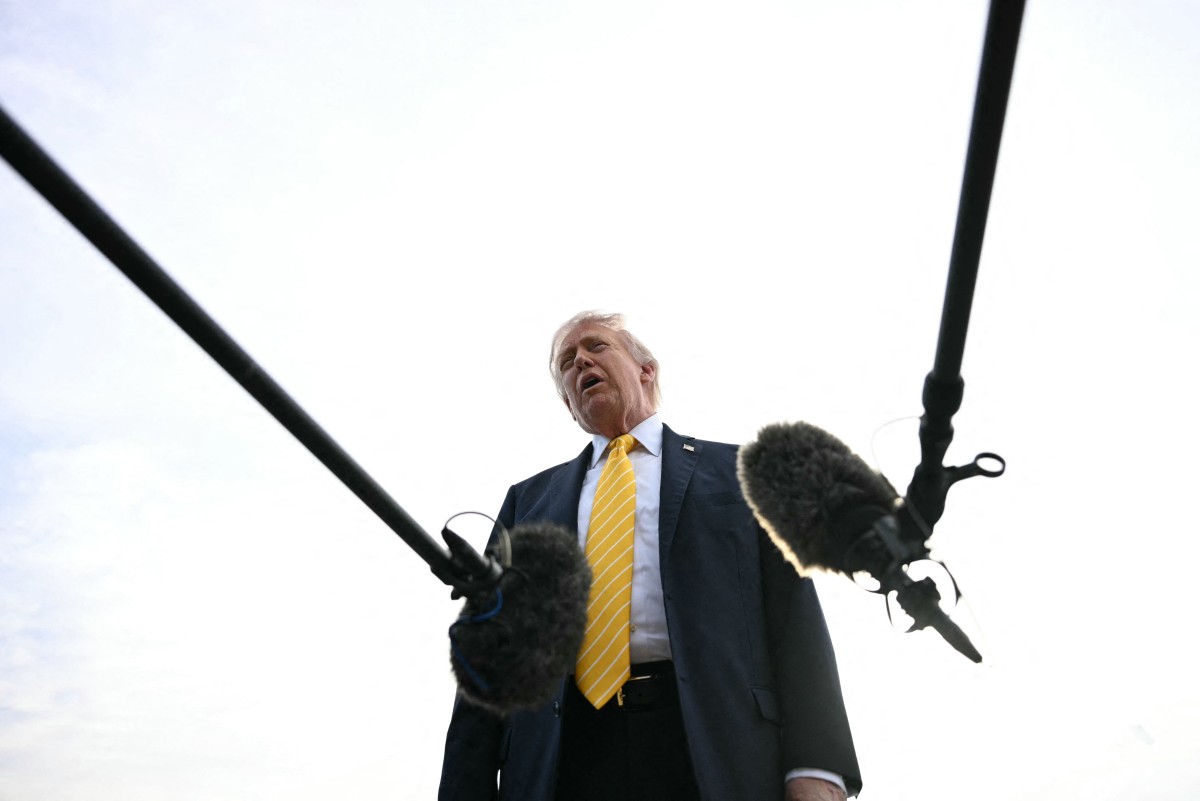
U.S. President Donald Trump. (AFP)
The Iranian official explained that Tehran believes the latest proposal to postpone the nuclear talks to a later stage represents an important shift aimed at facilitating the achievement of an agreement.
Under the proposal, the war would end with guarantees that Israel and the United States will not attack the country again. Iran would open the Strait of Hormuz, and the United States would lift its blockade.
Subsequently, further talks would be held on imposing restrictions on Iran’s nuclear program in exchange for lifting sanctions. Iran is also demanding that Washington recognize its right to enrich uranium for peaceful purposes, even if Tehran agrees to suspend enrichment.
Trump: There is a possibility that attacks on Iran may resume
President Trump said on Saturday that there is a possibility that the United States may resume attacking Iran.
The U.S. President described the blockade imposed by the United States on Iran as "very mild"."
He added, "I have been informed of the outlines of an agreement with Iran, and I will soon be provided with the exact text. I will soon review the plan that Iran just sent us. I can't imagine that this plan will be acceptable."
Trump indicated that Iran "has been hit very hard, and it will take 20 years to rebuild its capabilities."





 Messenger
 Whatsapp
 Threads
 Email
Email
 Print
Print
 X
X
 Facebook