

Lebanon’s unfinished peace: Why the Taif Agreement still waits nearly 40 years on
From armed non-state actors to stalled political reforms, Lebanon’s post-war roadmap remains only partially implemented—held back by shifting power balances, regional influence, and unresolved questions over state sovereignty.



 Messenger
 Whatsapp
 Threads
 Email
Email
 Print
Print
 X
X
 Facebook
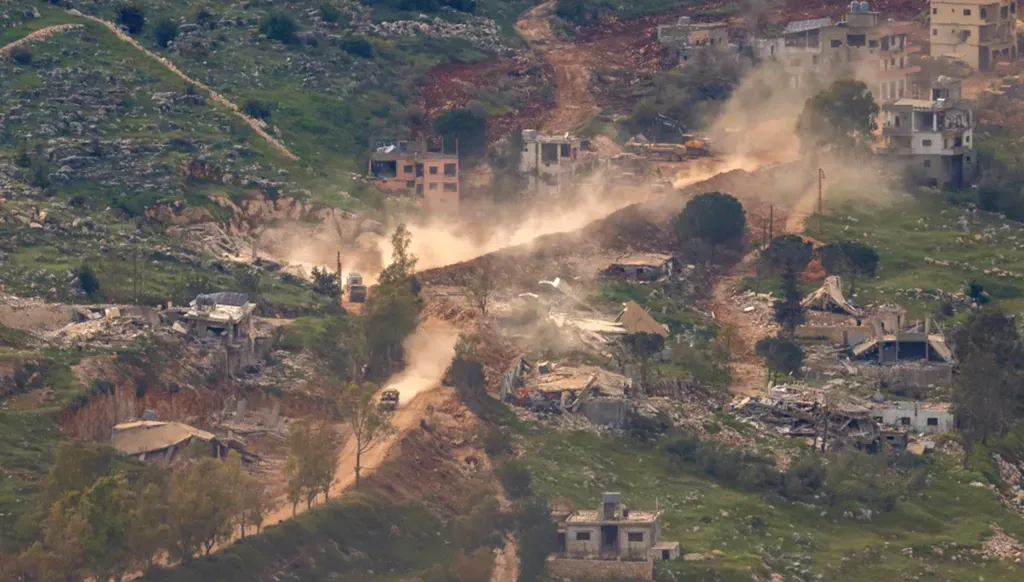


- Hand over Palestinian weapons to the state, which also did not occur, as the twelve Palestinian camps scattered across Lebanon have at times turned into sensitive security hotspots.
- Establish the National Commission to Abolish Political Sectarianism.
- Enact an electoral law outside sectarian constraints, allowing seats to be distributed equally between Christians and Muslims, and proportionally among each faction’s sects and regions.
- Upon the election of the first non-sectarian National Assembly, establish the Senate.
- Implement administrative decentralization by expanding authority at the local administrative level (district and below), granting greater powers to governors and commissioners, and strengthening the presence of state administrations in regions to improve public services and meet local needs.
- Unify the history textbook, which has not been produced, leaving each side with its own narrative of events.
- Draft new laws to regulate the media, including electronic media, which have not yet been enacted despite major digital and communicative developments.
So what obstacles hindered execution throughout the 37 years?
According to political writer and researcher Dr. Michel Chamai, “The failure to implement all the provisions of the Taif Agreement is linked to Syria’s tutelage over Lebanon after the war ended, with this axis considered victorious at the time, imposing strict constraints on sovereign Lebanese actors deemed defeated after October 13, 1990.”
Thus, Syria and its “allies” effectively obstructed the implementation of the Taif Agreement.
After 2005, particularly following the Syrian withdrawal, Lebanon entered a new era.
Politics of power blocks