

Insights on the French-Saudi movement from Bin Farhan
Saudi-French efforts on Lebanon seek political consensus under Taif framework as diplomatic activity intensifies



 Messenger
 Whatsapp
 Threads
 Email
Email
 Print
Print
 X
X
 Facebook
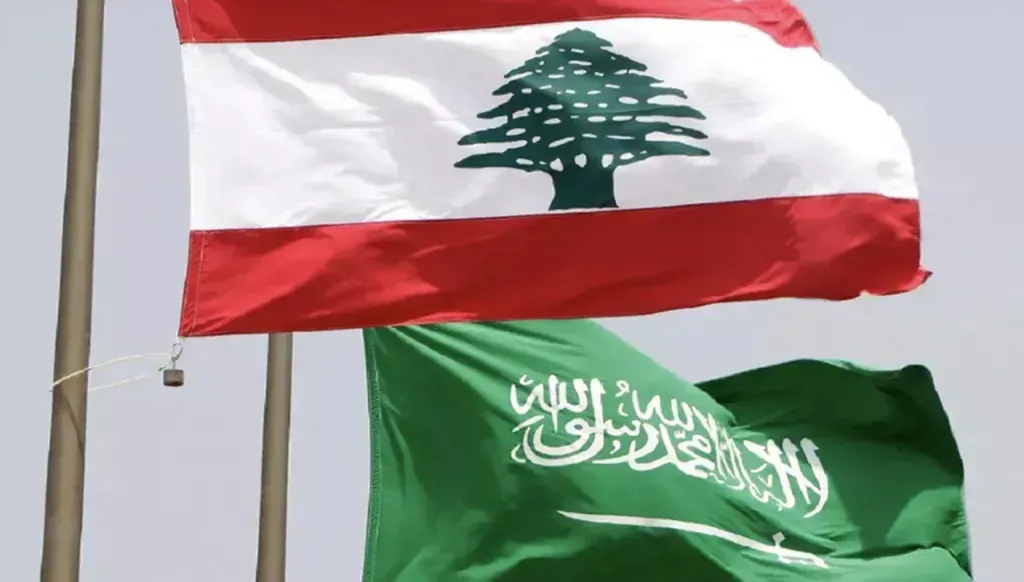


The Saudi-French movement is still active in Lebanon through visits, meetings, and initiatives, but the big question remains: what is this movement, and where does it lead?
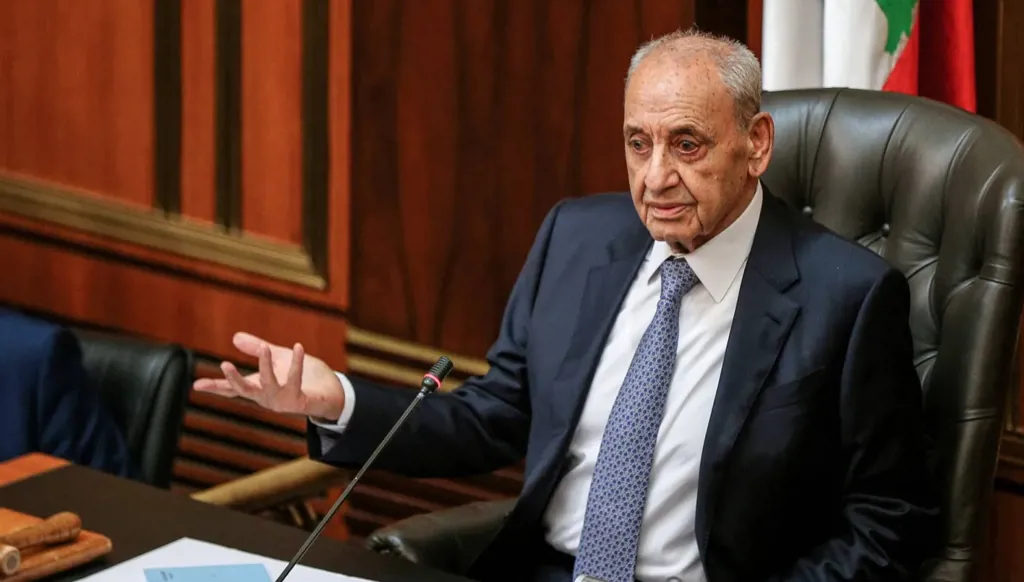
It can be said that the Saudi effort will not stop with this visit but will continue, with coordination between France, the United States, Egypt, and those concerned with the Lebanese file in order to find common ground and reach an internal Lebanese political consensus, with the Taif Agreement serving as the guiding framework and upper limit.
In this context, former MP Fares Said tells Annahar: “We appreciate the Saudi and French role, and we have great hope in Lebanon that we can put an end to this ongoing tragedy that has lasted since 1969. There is no solution except through the principle of negotiation, and Israel cannot withdraw except through this path. Everything is linked to the negotiation process.”
He adds: “Saudi Arabia has a long history of supporting Lebanon at all stages and turning points. We are with it and alongside it, and we value its role, but we cannot wait for a negotiated solution to come for the entire region, including Saudi Arabia itself. We can only stand side by side with it and not turn our backs on any party, especially the Kingdom. The same applies to the French. Contrary to what is being said, the French role in Lebanon is ongoing and has not ended at all, even if there is a key American role. In short, the Saudi and French roles are aimed at supporting Lebanon and standing by it, and I confirm that we cannot wait at all. We have our own interests and circumstances, so we must start negotiations, and this is what has happened. There may be French talk about waiting for the whole region to enter direct negotiations, but in Lebanon we cannot keep waiting on the sidelines.”