



 واتساب
 يوتيوب
 انستغرام
 نبض
نبض
 ثريدز
ثريدز
EBRD head: Paris 4 only first step in Lebanon's journey of economic recovery



شارك على
 مسنجر
مسنجر
 بريد إلكتروني
 الطباعة
شارك على


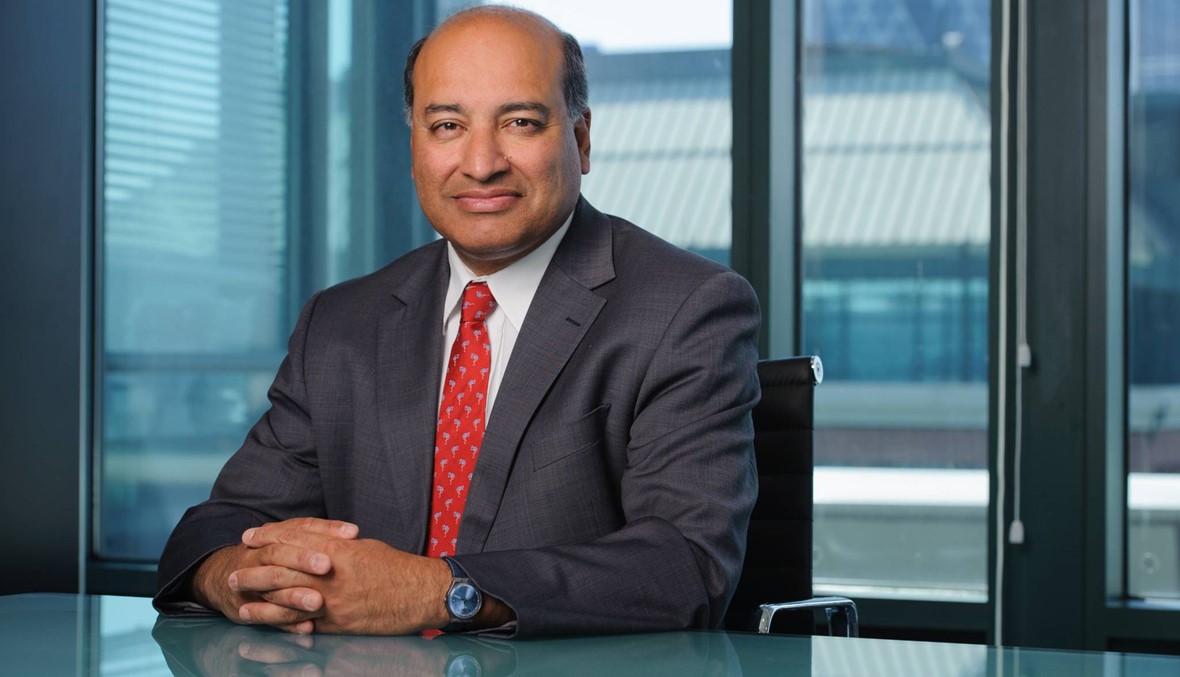


BEIRUT: Lebanon’s unpredictable economic future may not be determined by the upcoming Paris donor conference where the government is asking for billions in loans, but the international meeting will have a marked effect for the decade to come.
What needs to be done is serious follow-up, implementation, and focus on the funded projects at the Paris 4 conference, said the European Bank for Reconstruction and Development President (EBRD) Sir Suma Chakrabarti.
“The conference should be a start, but the key thing after that is making sure there is an implementation capacity and focus, and that elections and other things don't knock Lebanon off course,” Chakrabarti told Annahar, adding that “We regard the Cedre conference as neither the beginning nor the end of the question.”
The EBRD head highlighted that although he is a firm believer in international donor conferences where countries leave equipped with plans of action for their next step, “having a plan and an event is not of itself a great development.”
Chakrabarti noted that the language of functionality in Lebanon is rather old-fashioned – which is why the country was ranked 133 out 190 on the Ease of Doing Business report of 2017 – but EBRD is willing to offer support and advice to help in that perspective.
“In the end, the Lebanese people should determine their destiny, and not EBRD,” he added.
The European Bank of Reconstruction and Development currently handles numerous projects and investments in both the southern and eastern Mediterranean (SEMED); where it started operating in 2012 and invested over 6.5 billion Euros in almost 170 projects to date.
The region includes Egypt, Jordan, Tunisia, Morocco, and now the bank is looking to implement programs in Lebanon, in order to help it improve its investment climate overall, as the country’s political stability has been considered to be shaky throughout the years.
“The clear issue, that dates back 40 years now, is determining whether the country is politically stable enough, in terms of different parts of the country working together, for private foreign investors to make a bet on investing here,” Chakrabarti said.
The bank head considers, however, that there has been a change since late 2016, with the country recently passing its first government budget in 12 years; in parallel, parliament also ratified a private-public sector partnership (PPP) law.
“This indicates that parliament has become more functional than it once was, and this is the talk of functionality again, which is much better than what it used to be,” he added.
According to the bank head, Lebanon certainly has an issue of high public sector debt; the country has the third highest debt to GDP ratio in the world, which means it’s very difficult for the country to take on further debt.
“The PPP law is very important to the government since it takes things off the balance sheet; however, it only works if you truly transfer risk from the government to the private sector and for that, you need a really good regulator or legal regime to do that,” Chakrabarti highlighted.
Thus the role of the EBRD is to see what works and what doesn’t in Lebanon, help the government-run procurement processes, and advise them on how to properly negotiate with PPP deals.
The EBRD is entering Lebanon at the right point for both the country and the bank, according to Chakrabarti, where the Lebanese plan is a very important one that focuses on the private sector and its development within the country.
“At first, you will find us working in the banking sector since it has done very well in Lebanon over the years; it’s also central due to its linkage to all the other sectors, which is why it functions well,” he said.
The bank is also looking to help expand the energy sector, particularly renewable energy, thus wind and solar energy are considered to be a big part of their work in the country.
“You will also find us strongly in the infrastructure area, which is very important for the growth of the economy, whether its industrial zones or other types of infrastructure, we are very interested,” Chakrabarti said.
When speaking about Lebanese infrastructure, the country’s Syrian refugee crisis directly comes to mind.
“Lebanon is a democracy, a working democracy; it’s a challenged democracy because it has so many interests in this narrow strip of land,” the EBRD head told Annahar, adding that “if you look around it, it’s hard for Lebanon, which has been going through tough economic times.”
According to Chakrabarti, the Syrian situation is heavily impacting the population of Lebanon.
The number of refugees has continued to hit the high mark, where half the population can be seen as refugees under one definition.
“If that’s the case then the pressure on municipalities in the country, from multiple perspectives, such as water supply, waste, or public transport would be very high,” he noted.
“As a multinational institution, we have expertise and experience with refugees in Jordan; so we invest more in private services in an inclusive manner, that relieves pressure from a municipal and local level where both the refugees and their host communities gain,” he explained.
On another note, the EBRD is looking to also dip its toe into Lebanon’s growing startup sector on two broad fronts; the first being on an advisory level, since SMEs often have great ideas yet not a lot of business acumen, according to Chakrabarti.
“Advisory services would really help build SMEs’ business capabilities such as the process of how to put a plan together that is financeable from the bank, or how to put together an audit that really helps them to function better or which management structure they should adopt,” he highlighted.
Another proposed plan of action is for the EBRD to provide credit lines through the banking sector, usually in local currency because the bank doesn’t want SMEs to take the foreign exchange risk, and really help them grow while making their plans a reality.
“During our meeting with the Central Bank, which is already heavily involved with the SME sector, we discussed the matter of lending market rates through the banking system, as well as getting the Central Bank to help through some grant financing or cheaper financing created around building capabilities in the banks, so they are more equipped to know how to better lend to SMEs,” Chakrabarti explained.
Earlier this week, the EBRD head met with the Central Bank Governor Riad Salameh, along with Speaker Nabih Berri, Finance Minister Ali Hasan Khalil, Prime Minister Saad Hariri, and Foreign Minister Gebran Bassil to establish the bank’s presence in Lebanon.
“Currently in the region, Egypt is already the 2nd biggest market for EBRD after Turkey, but it was always a takeoff when we decided to expand into the SEMED region, that really required Lebanon to be part of it,” Chakrabarti told Annahar.

العلامات الدالة
الأكثر قراءة


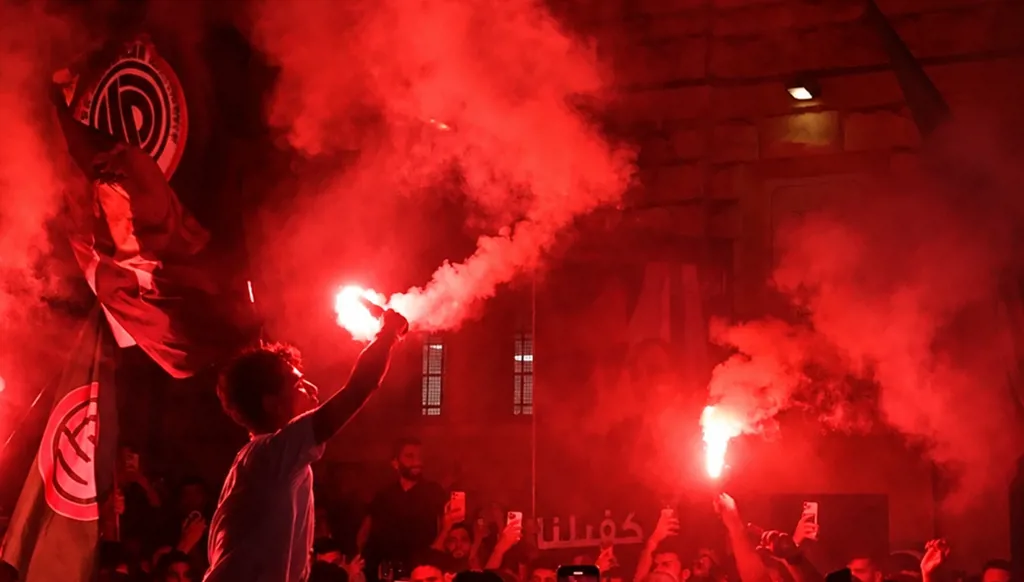
شهدت الجامعة اللبنانية الأميركية والجامعة الأميركية في بيروت وجامعة سيدة اللويزة الانتخابات الطلابية اليوم الجمعة، على أن تنتقل المنافسة الانتخابية في نهاية الشهر إلى جامعة القديس يوسف وجامعة الحكمة.