Hezbollah’s future hangs on Iran as Lebanese Army moves to assert control
Amid Iran’s internal unrest, Lebanese army pushes to assert state control over Hezbollah, while the party’s fate remains tied to Tehran’s stability and international pressures mount.



شارك على
 مسنجر
مسنجر
 واتساب
 ثريدز
ثريدز
 بريد إلكتروني
 الطباعة
شارك على


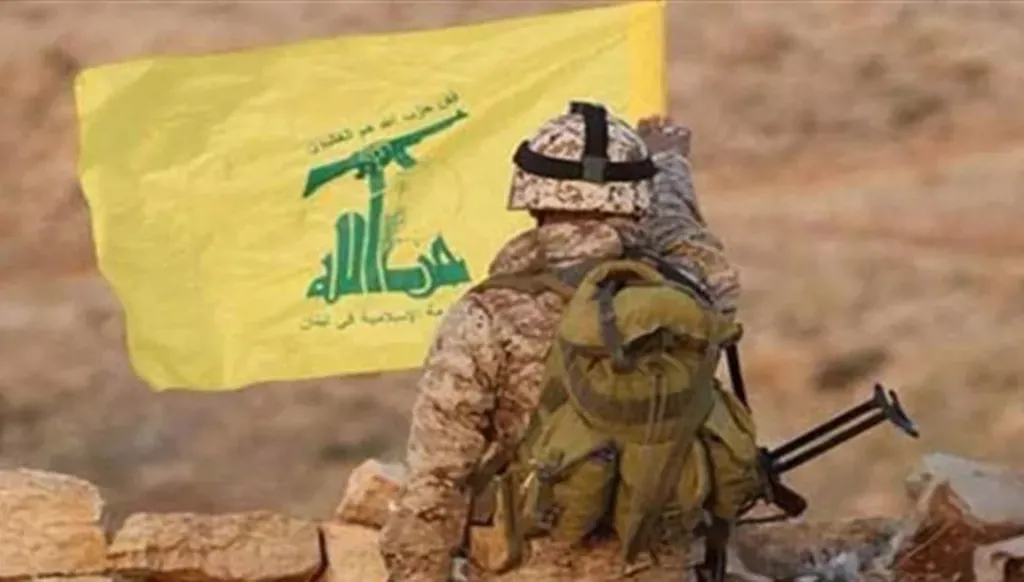


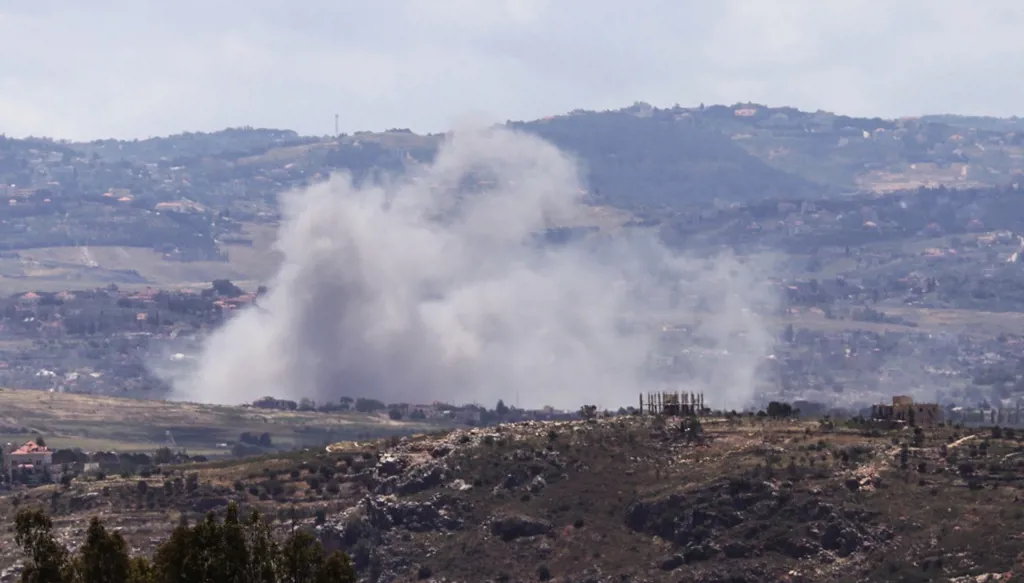
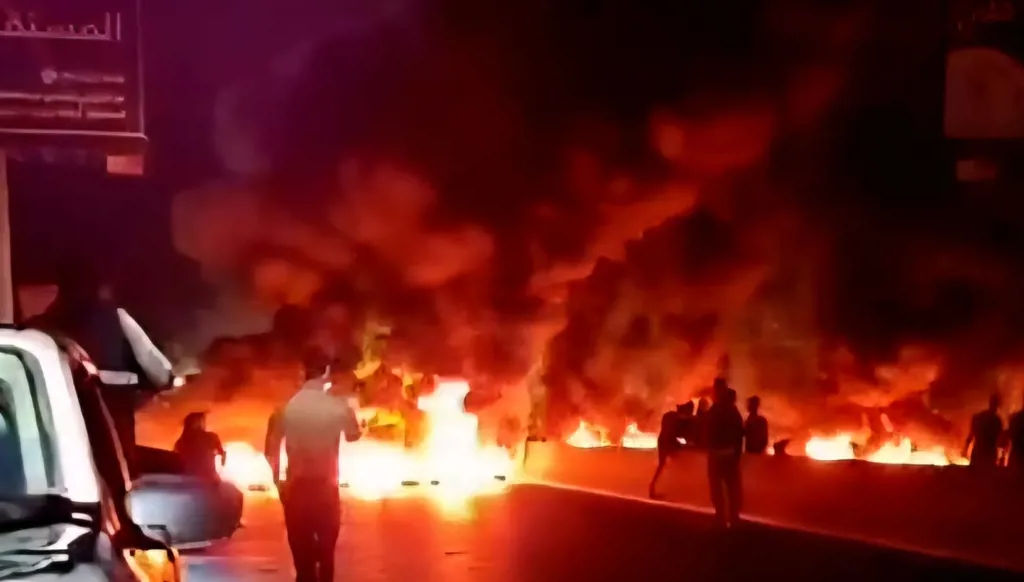
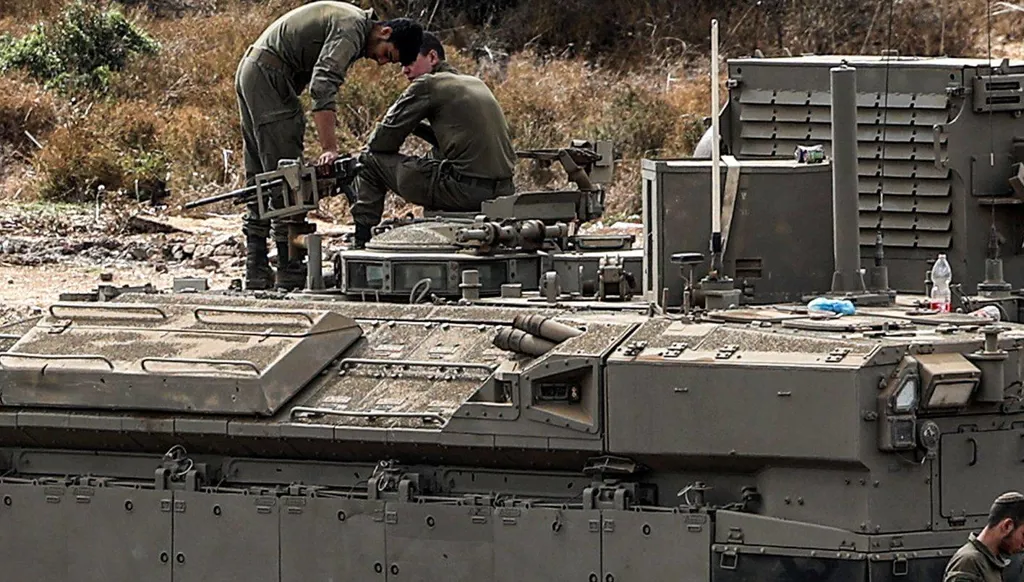
While the Iranian regime struggles to contain internal protests that have surpassed all expectations in size, scope, and diversity—marked by extraordinary courage in confronting one of the region’s most entrenched totalitarian systems—Israel has intensified its strikes on Hezbollah’s military infrastructure, expanding them with unprecedented force to areas well beyond the Litani River in southern Lebanon.
However, the second phase remains on hold and has been postponed to next month under the priority of securing urgent support for the Lebanese army. France is working to organize a conference in Paris next February, sponsored by French, Saudi, and American backers, to bolster the army. Yet the conference’s agenda will require significant groundwork, starting with the Lebanese government beginning discussions on the details of the second phase, which covers the area north of the Litani River. The army must swiftly present its detailed plan, including a comprehensive list of requirements to complete this phase—likely to be more complex than the first due to the size of the area, its dense population, the scale of required operations, and the presence of numerous infrastructures and a substantial resident population sympathetic to the party. Added to this is the presence of Palestinian weapons in key camps, notably Ain al-Hilweh, Lebanon’s largest Palestinian refugee camp. As such, the army faces a critical challenge: it must proceed with caution to carry out its mission, while anticipating the party’s potential refusal to comply with government directives, a situation that could trigger a major Israeli military operation as the snow begins to melt in mid-March.
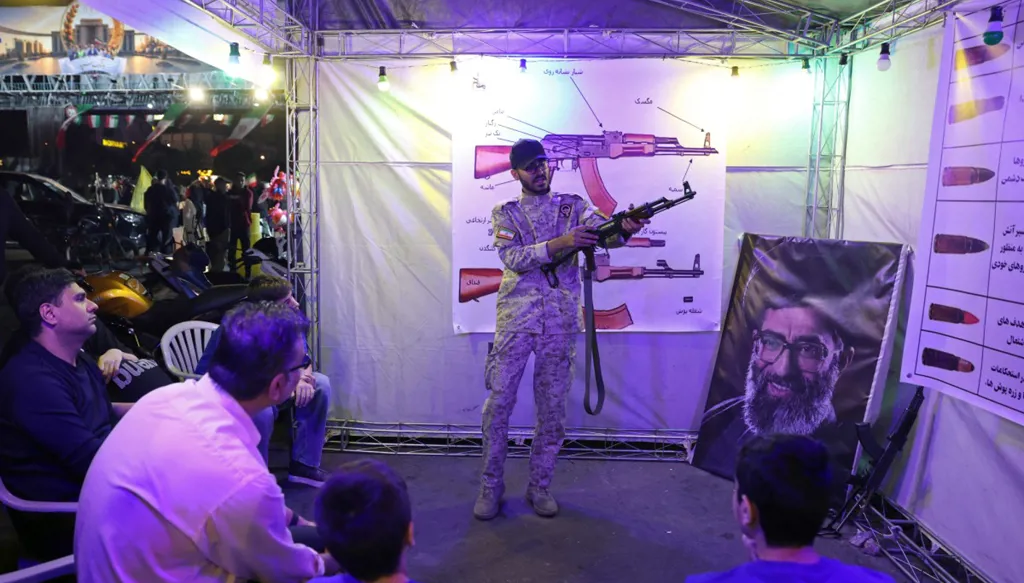
Observers recognize that the fate of the party in question will ultimately be determined from within Iran itself. The survival of the current Iranian regime will directly shape the party’s future in Lebanon. Perhaps this is exactly what Lebanese officials are counting on: that matters unfolding abroad will eventually unravel on their own internally.
Disclaimer: The opinions expressed by the writers are their own and do not necessarily represent the views of Annahar.

العلامات الدالة
الأكثر قراءة