What comes after UN Peacekeepers? European Intelligence reviews Hezbollah and Lebanon’s Southern border




شارك على
 مسنجر
مسنجر
 واتساب
 ثريدز
ثريدز
 بريد إلكتروني
 الطباعة
شارك على


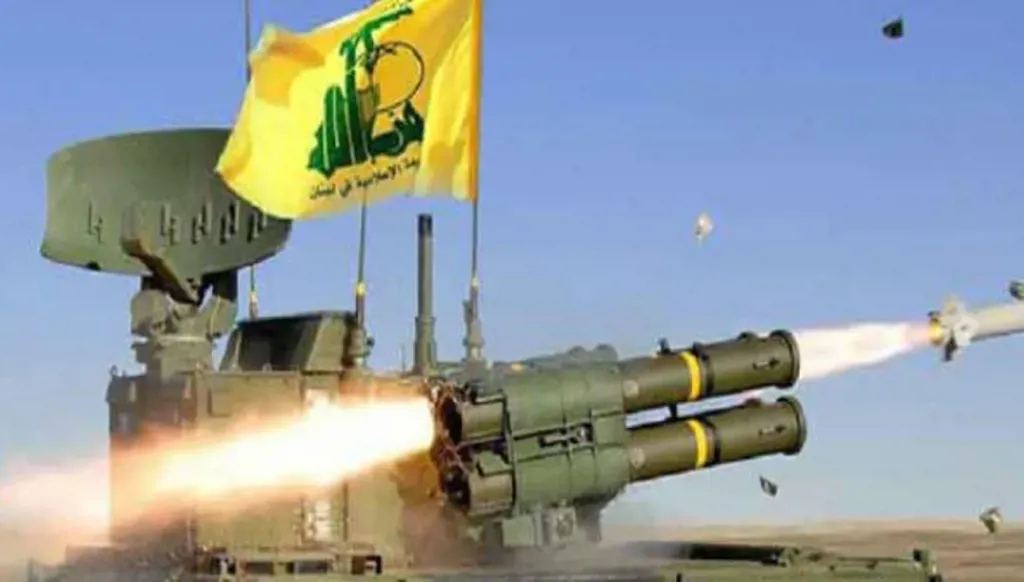


Western and Arab security officials are arriving in Beirut discreetly, driven by the nature of their missions and the need to maintain secrecy. They discuss various sector-related details to provide their governments with reports and base their decisions regarding Lebanon on these conclusions. Hezbollah occupies a central place in their intelligence inquiries.
A few days ago, a senior European security official from a European intelligence agency visited Beirut and met with several Lebanese security officials. He toured the capital and other areas to assess whether any significant changes have taken place, drawing on his long familiarity with the country. He does not rely solely on the reports he receives from the military attaché at his country's embassy. Several European capitals have increased staffing levels at their embassies in Beirut to expand intelligence gathering on Hezbollah’s military wing, what remains of its capabilities, and whether it has the means to rebuild them.
According to information obtained by Annahar, the European official focused on a series of key issues:
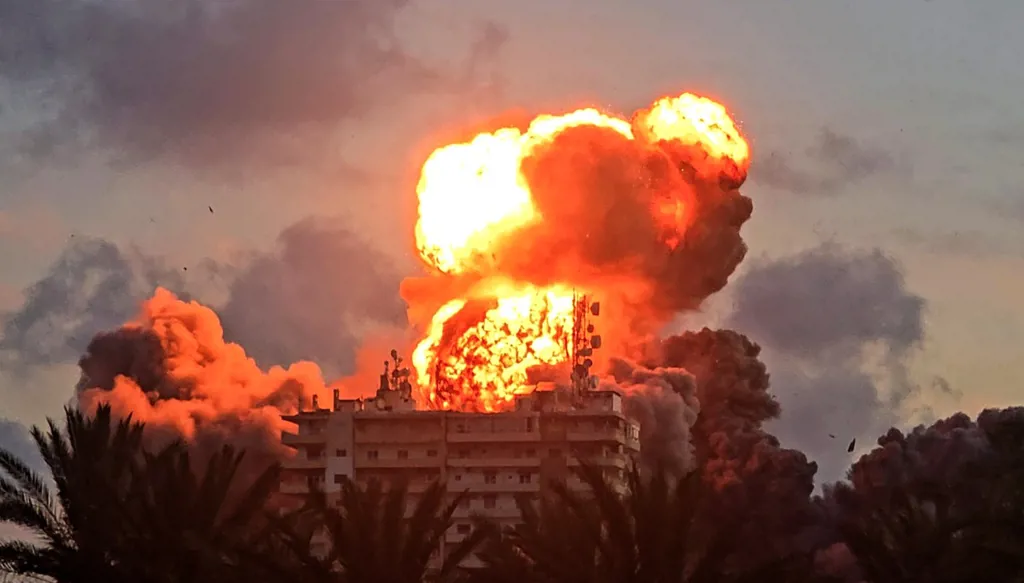
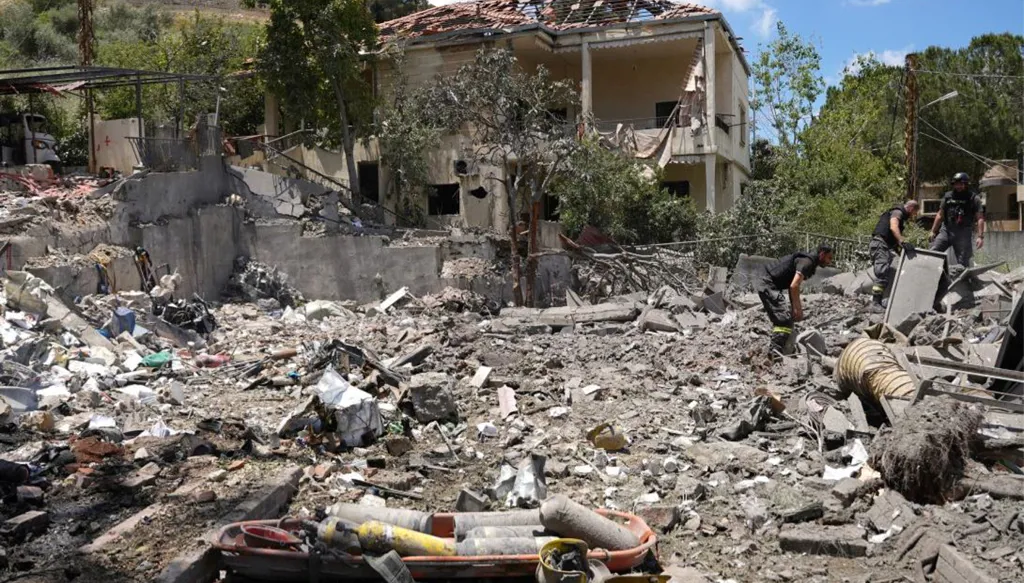
- Hezbollah’s remaining military capabilities, particularly its missile and drone arsenal, much of which has been damaged or destroyed by sustained Israeli strikes in southern Lebanon and the eastern Bekaa Valley. The group has reportedly concentrated its remaining weapons depots south of the Litani River, following Israeli air raids and Lebanese army operations to seize what was left, a process expected to be completed by the end of this month.
- Why Hezbollah has refrained from firing since the ceasefire, despite suffering these human and material losses over at least the last year. A Lebanese security official told the European visitor that Hezbollah is adhering to the ceasefire agreement to avoid giving Israel any pretext for renewed escalation, adding: "and we don't know why the party doesn't retaliate nor can we conclude what it will do in the future."
- Hezbollah’s refusal to negotiate with Israel, and whether changes to the leadership of the ceasefire monitoring mechanism, now headed by civilian representatives on both the Lebanese and Israeli sides, could help stabilize the southern border and prevent a return to large-scale fighting.
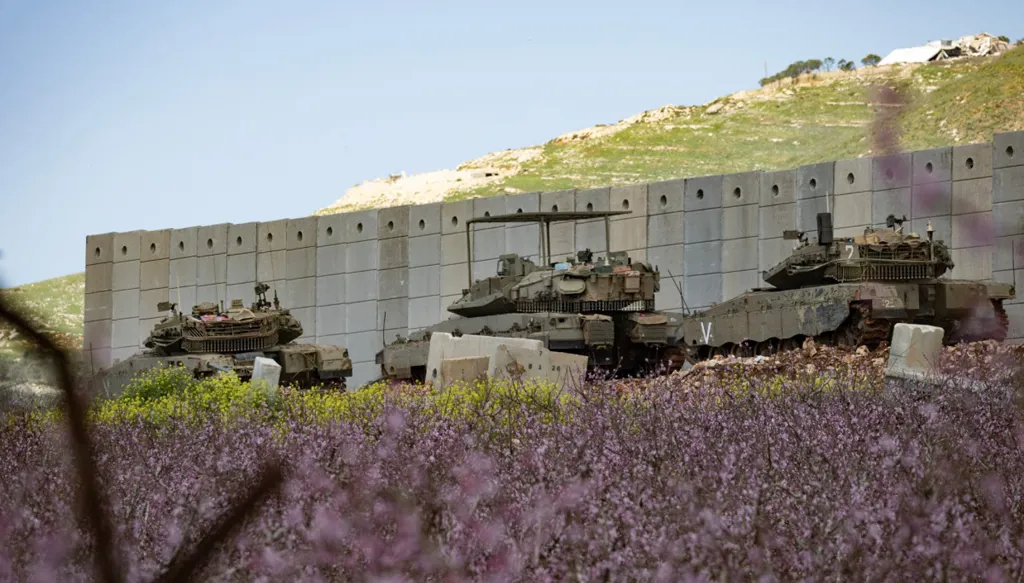
- The future of the border region, especially at the end of UNIFIL's extension mandate in late 2026 and the consideration of a new international force. According to the European official, any such move would require U.S. approval and British acceptance; London has reportedly expressed readiness to help establish monitoring towers in southern Lebanon.
- The fate of Lebanese border towns adjacent to Israel, from the coastal town of Naqoura to the inland areas of Marjayoun and Hasbaya. The official asked whether residents might agree to the creation of an “economic city” on their privately owned land, effectively relinquishing those properties. Those he met said residents firmly reject the idea, viewing it as a buffer zone designed to serve Israel and protect its settlements.
-Political attitudes within Lebanon’s Shiite communities, particularly in areas where they are concentrated, ahead of the next parliamentary elections. The focus is on whether Hezbollah’s support base will continue to vote for its candidates following the heavy losses the group and its communities have endured, not only in lives but also in widespread damage to their towns. Attention was drawn to whether the Amal public and non-partisan supporters with the party would vote for the candidates' lists and whether they would encounter Shiite opposition could emerge and potentially break the bloc’s hold on some of the 27 parliamentary seats allocated to the Shiite sect.
Disclaimer: The opinions expressed by the writers are their own and do not necessarily represent the views of Annahar

العلامات الدالة
الأكثر قراءة